Smart Heater Control: Best Practices for Maximum Efficiency
On this page 6 sections
The best practices include regular updates, proper sensor placement, user-friendly settings, energy-efficient scheduling, and remote monitoring for optimal performance.
Smart control systems revolutionize how we manage home heating. These advanced systems optimize energy use while maintaining comfort. Proper setup and usage can cut heating costs by up to 30% annually.
Optimal Temperature Settings
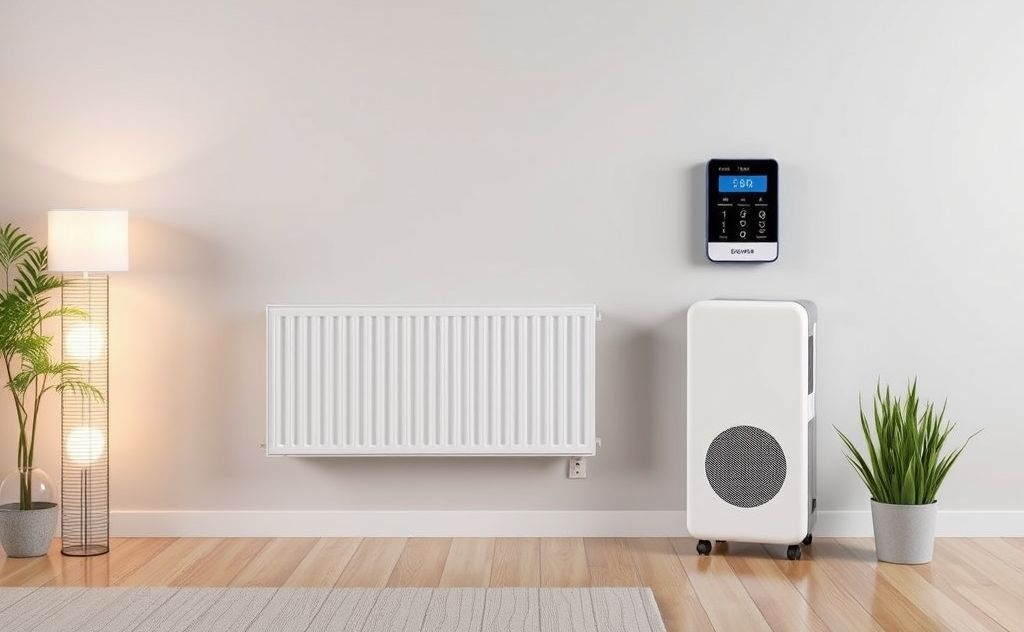
The right temperature settings balance comfort and efficiency. Smart thermostats learn your habits and adjust automatically.
Ideal Temperature Ranges
- Living areas: 20-21°C (68-70°F) when occupied
- Bedrooms: 18-19°C (64-66°F) for sleeping
- Unused rooms: 15-16°C (59-61°F)
Each degree lowered saves 3% on heating bills. Smart systems make these adjustments automatically when rooms are unoccupied.
Smart Scheduling Features
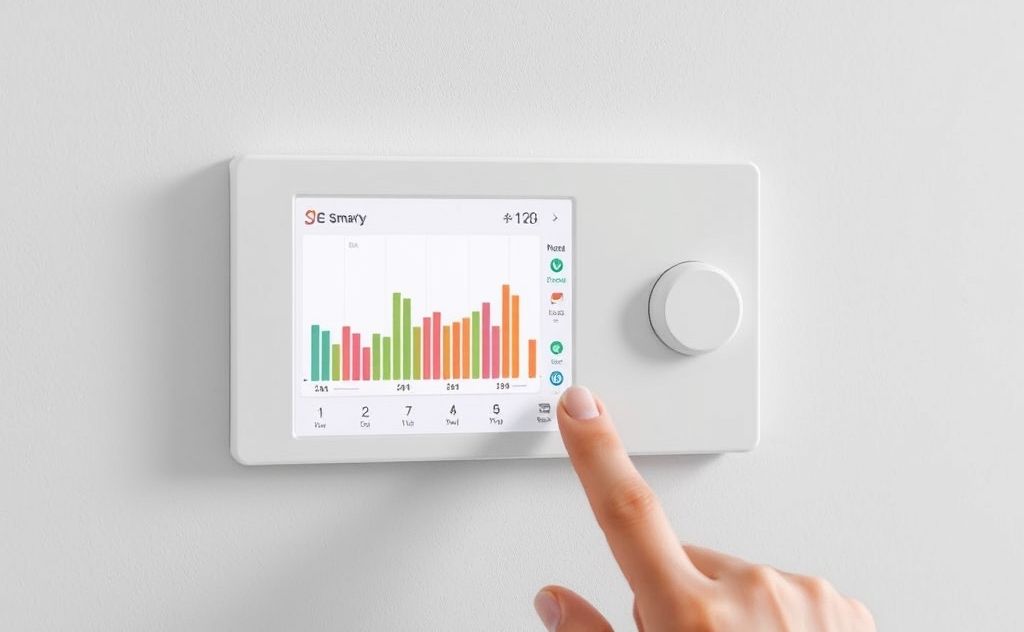
Modern systems like app-controlled heaters offer sophisticated scheduling options.
Effective Scheduling Strategies
- Program heat to rise 30 minutes before waking
- Reduce temperature when leaving for work
- Warm home before evening return
- Lower temperature overnight
According to Energy Saving Trust, proper scheduling can save £120 annually.
Zone Control Implementation
Smart radiator valves create independent heating zones. This prevents wasting energy on unused spaces.
| Room Type | Recommended Valve Setting |
|---|---|
| Living Room | 4-5 |
| Bedroom | 3 |
| Bathroom | 2 (when not in use) |
System Maintenance
Regular maintenance ensures peak performance. Smart systems provide alerts for required service.
Key Maintenance Tasks
- Monthly system diagnostics
- Annual professional inspection
- Radiator bleeding when needed
- Filter replacements
For complex systems like pool heater controls, follow manufacturer guidelines.
Remote Access Benefits
Smart controls offer remote access through mobile apps. This enables real-time adjustments from anywhere.
Advanced Remote Features
- Geofencing for automatic home/away modes
- Weather adaptation
- Energy usage reports
- Maintenance alerts
As noted by Schneider Electric, proper placement of hubs and extenders ensures reliable connectivity.
Integration With Other Systems
Smart heaters work best when integrated with home automation systems.
Effective Integration Points
- Smart home hubs
- Voice assistants
- Security systems
- Energy monitors
For specialized needs like propane heaters, ensure compatibility before integration.
Related pick: Check price on Amazon