Direct Vent Propane Heaters: 250 To 570 Sq Ft
On this page 7 sections
The short answer is yes, but the venting details matter more than the BTU number on the box. A sealed-combustion heater can be a clean fit for a bedroom, bathroom, or small living space if the listed clearances, wall thickness limits, and vent kit parts match your wall.
The practical question is less “can it vent through the wall” and more “can your wall, room, and gas supply support that exact model.”
Wall Hung Propane Heater That Vents Exhaust Through Wall
A wall hung propane heater that vents exhaust through the wall is a direct vent model that draws combustion air from outside and expels exhaust gases directly outdoors through a dedicated vent pipe. This sealed combustion system keeps indoor air clean and safe while heating efficiently.
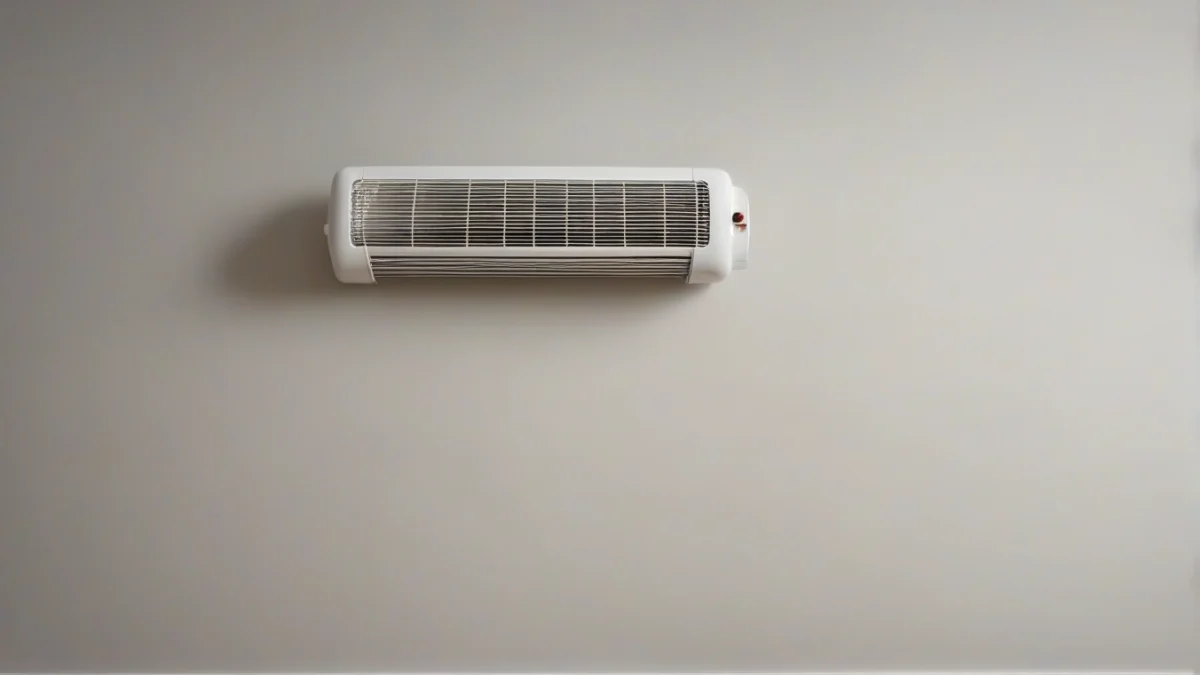
A wall hung propane heater that vents exhaust through the wall is a direct vent model. It draws combustion air from outside and expels exhaust gases directly outdoors through a sealed vent pipe installed in the wall. This setup keeps indoor air clean and safe while providing efficient heating for rooms between about 250 and 570 square feet.
Direct vent propane heaters use sealed combustion chambers to pull fresh air from outside through the vent pipe. The combustion products are pushed back outside through a separate exhaust pipe, both running through the wall. This system ensures no mixing of indoor air with combustion gases, making it safe for bedrooms and mobile homes.
Why does the wall vent matter so much? Because carbon monoxide stays outside. A ventless heater dumps combustion byproducts into the room and relies on you to provide ventilation. A direct vent unit separates the two air paths completely. That’s why these are considered among the safest propane heaters for indoor use — provided the vent is installed correctly and the unit is listed for indoor installation. For a closer look at how wall venting works across different appliances, see Can You Vent A Gas Heater Through The Wall?.
| Model | BTU Input | Room Size | Ignition | Bedroom Approved |
|---|---|---|---|---|
| Comfort Glow DVP11 | 11,000 | Up to 350 sq ft | Electronic | Yes |
| US Stove DVAG17L | 17,000 | Up to 570 sq ft | Matchless piezo | Yes |
One more thing: these heaters include a built-in pressure regulator and a safety pilot. The regulator keeps gas pressure steady so the flame doesn’t surge; the pilot shuts the gas off if the flame goes out. Simple, reliable, and the reason you don’t need a wall outlet.
What The Vent Kit And Wall Need

The vent kit includes a vent pipe, an air intake pipe, flashing, a cap, and a heat shield. The vent pipe passes exhaust through the wall, while the intake pipe brings fresh air in for combustion. Wall thickness affects vent pipe length and installation complexity, so measure carefully before ordering the kit.

Wall thickness is the compatibility gap nobody mentions until install day. The included kit is designed for standard 2×4 or 2×6 framed walls with siding. If your wall is thicker — say, brick veneer over framing, or a log wall — the kit may not reach cleanly through. You’ll need the manufacturer’s listed extension parts or a different vent kit. Measure your wall thickness before you buy.
Venting through an exterior wall is different from a ventless heater (which dumps exhaust indoors) and from a chimney-vented appliance (which goes up through the roof). Direct vent is a third path: horizontal, sealed, and short. That short run is why these units don’t need electricity for draft — the combustion air comes in pressurized by the sealed system. If you’re comparing venting methods for other appliances, venting a water heater through a wall follows similar rules.

How Long A 20 Lb Tank Lasts
A 20 lb propane tank typically lasts about 20 to 25 hours on a 11,000 BTU heater running at full output. For a 17,000 BTU model, expect closer to 13 to 15 hours. These estimates depend on precise burn rate and usage patterns.
Say you run an 8,000 BTU wall heater 8 hours a day. That’s 64,000 BTU per day, so a 20 lb tank gives you roughly 6.7 days. A 17,000 BTU unit running the same schedule burns 136,000 BTU daily, cutting tank life to about 3.2 days. The larger heater might warm a bigger room faster, but you’ll refill the tank twice as often.
| Heater | Watts | Per hour | Per day (8 h) | Per month (30 days) |
|---|---|---|---|---|
| 8,000 BTU heater | 2,344 W | 40¢ | $3.19 | $95.64 |
| 17,000 BTU heater | 4,982 W | 85¢ | $6.78 | $203.27 |
Most wall-hung direct vent heaters are not meant to run off a portable 20 lb tank. They’re typically connected to a larger fixed supply — a 100 lb cylinder or a whole-home propane tank — through a two-stage low-pressure regulator that steps pressure down and keeps it steady. That regulator matters because the heater’s gas valve expects a consistent 11 inches of water column; a single-stage regulator can drift as the tank empties, causing weak flame or pilot outages.
If you’re looking for the most efficient direct vent propane heater, focus on matching BTU input to the room’s heat loss rather than chasing a vague efficiency rating. A sealed combustion system like the one in these units is already efficient because it doesn’t steal indoor air. For a small bedroom, an 8,000 BTU model like the Best Direct-Vent Gas Wall Heaters for Small Spaces will sip fuel; a 17,000 BTU unit in the same space just cycles on and off, wasting gas and wearing the ignition.
Propane heaters without venting — the portable “vent-free” or “blue flame” kind — are a different animal. They release moisture and combustion byproducts indoors and are banned in some states. They also tend to have lower efficiency and can trigger CO alarms if the room isn’t ventilated. If you see “best propane heater without vent,” know that those units rely on oxygen depletion sensors and strict clearance rules, and they’re not a substitute for a sealed direct vent wall heater.
Noise, Comfort, And Which Rooms They Suit
These heaters are quiet because they have no blower. The only sounds you’ll hear are a soft hiss from the burner and a click when the ignition fires. Product 1 uses a stainless steel burner that the manufacturer calls noise-free; in practice, that means you won’t get a fan hum or rattle, just the faint rush of gas and the occasional tick of the safety pilot. Product 2 uses matchless piezo ignition, which makes a sharper snap when you push the button, then settles into the same low burner rumble.
| Feature | Product 1 | Product 2 |
|---|---|---|
| BTU input | 8,000 BTU | 17,000 BTU |
| Heating coverage | Up to 250 sq ft | Up to 570 sq ft |
| Ignition type | Matchless piezo ignition | Matchless piezo ignition |
| Dimensions (H x W x D) | 29.5 x 16.75 x 9.8 in | 20 x 27.36 x 6.61 in |
| Vent kit included | No — sold separately | Yes — includes heat shield, vent pipe, air intake pipe, flashing, cap, and connecting rod |
Comfort-wise, a wall heater feels warmest within about 10 feet of the unit. It heats the air and nearby surfaces, not the whole house at once. In a small bedroom, that’s fine — you’ll feel the glow on your skin. In a large open living area, you’ll notice cooler corners unless you run it longer or add a ceiling fan on low to stir the air.
Which rooms suit them? Small bedrooms, bathrooms, offices, and modular or mobile homes where the listing allows it. Both models are approved for bedrooms and bathrooms, which is unusual for unvented heaters. They’re also a good fit for a cabin or a sunroom that lacks ductwork. Skip them for a whole-house furnace replacement or a large great room with 12-foot ceilings — you’d need multiple units or a different system.
If you’re comparing wall mounted vented propane heaters, check the vent kit contents. Product 2 includes the full kit; Product 1 does not, so you’ll need to buy the correct vent kit separately and confirm it matches your wall thickness. For more on that, see direct vent options that deliver strong heat without ducts.
Maintenance And Parts That Fail First
Most of the annual work happens in about an hour: clean the burner and pilot or ignition area, clear the intake path, and look over the vent cap for corrosion or insect nests.
A sealed combustion system pulls its air from outside, so indoor dust and pet hair mostly stay out of the burner. That cuts nuisance shutdowns, but the intake and cap still collect debris, and a spider web across the intake is a common reason a heater quits mid-season.
What To Do Next For Your Room
For the best direct vent propane heater, start with models sized to your square footage and insulation, not the biggest box on the shelf. A licensed installer handles gas connections and venting in most places, and local code may restrict vent-free units even where direct vent is allowed. If you’re still weighing options, our guide to direct vent propane heaters covers picks worth a look.