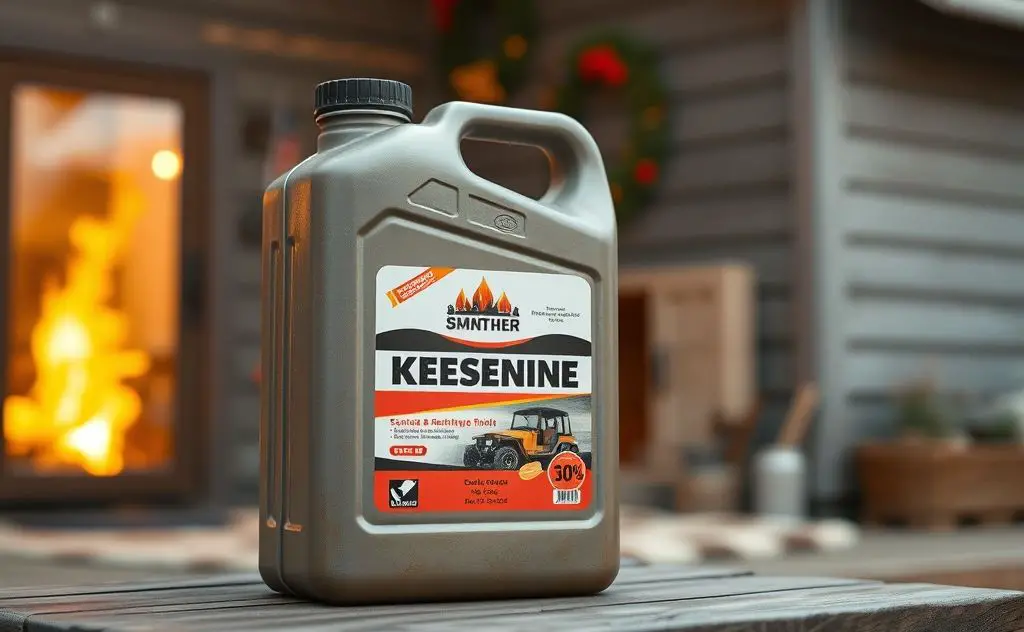
Can You Use Vegetable Oil in a Kerosene Heater?
No, you should not use vegetable oil in a kerosene heater, as it can damage the heater, produce…
Here, we delve into all things related to oil heaters, including their benefits, energy efficiency, maintenance tips, and safety precautions. Whether you're looking to learn about different types of oil heaters or seeking guidance on choosing the right one for your space, we've got you covered. Explore our informative articles and make informed decisions for efficient and comfortable heating solutions.
No, you should not use vegetable oil in a kerosene heater, as it can damage the heater, produce…
Yes, a heat pump can replace an oil boiler, providing efficient heating by extracting heat from the air…
To clean an oil furnace heat exchanger, turn off the power and fuel supply, remove the access panels,…
Buying a house with oil heat can be worth it if you're prepared for higher heating costs and…
You can buy small quantities of heating oil from local fuel suppliers, online retailers like Home Heating Oil,…
An oil-filled radiator heater provides more consistent and long-lasting warmth due to its thermal mass, while a space…
Oil heaters do not need to be refilled as they use a sealed system where the oil is…
Convection heaters provide rapid heating through circulating warm air, making them ideal for quick warmth in small spaces,…
Heating oil and kerosene are similar but not the same; heating oil is typically a refined version of…
No, home heating oil should not be used in diesel engines as it lacks the necessary additives for…
Oil-filled radiator heaters work by heating oil contained within metal columns, which then radiates heat into the surrounding…
Yes, you can use diesel fuel for home heating oil, but it is important to ensure it meets…
Forced air oil heating is a system that uses oil as a fuel source to heat air, which…
Yes, most oil-filled radiators come equipped with a thermostat, allowing users to set and maintain their desired room…
Leaving an oil heater on continuously is not recommended due to safety risks, potential overheating, and increased energy…
Oil filled radiator heaters provide consistent, long-lasting warmth and are energy-efficient for larger spaces, while ceramic heaters offer…
Yes, a heat pump can work with an oil furnace by serving as a supplementary heating source, allowing…
Oil-filled radiators provide longer-lasting heat retention and are generally quieter, while electric radiators offer faster heating and portability,…
Infrared heaters provide immediate warmth by directly heating objects and people, while oil-filled radiators offer consistent, long-lasting heat…
Off-road diesel and heating oil are not the same; off-road diesel is dyed and tax-exempt for non-highway use,…
An oil-fired boiler functions by burning oil in a combustion chamber to heat water, which is then circulated…
Common issues with oil fired boilers include inadequate heating due to a dirty nozzle, oil supply problems, clogged…
Oil-filled radiators provide efficient, long-lasting heat and are silent in operation, making them ideal for consistent warmth in…
You bought an oil heater to save on your heating bill, but after a month your electric bill…
Home heating oil can go bad over time, typically within 18 to 24 months, due to factors like…
Yes, you can mix kerosene and home heating oil, as they are both distillate fuels, but it is…
Yes, an oil-filled radiator is safe when used according to the manufacturer's instructions, as it operates at lower…
The cost to convert oil heat to gas typically ranges from $3,000 to $7,000, depending on the size…
You stand in your basement staring at the furnace, wondering if next month's bill will top last winter's.…