Oil Filled Radiator vs Space Heater: About 12 Cents an Hour to Run
On this page 9 sections
- Oil Filled Radiator vs Space Heater at a Glance
- Heat Output of Oil Filled Radiators and Space Heaters
- Running Costs of Oil Filled Radiators Compared to Space Heaters
- Safety Features of Oil Filled Radiators and Space Heaters
- Noise Levels of Oil Filled Radiators Versus Space Heaters
- Installation and Portability of Oil Filled Radiators and Space Heaters
- Lifespan and Maintenance Requirements of Oil Filled Radiators and Space Heaters
- Heat Output of Oil Filled Radiators and Space Heaters
- Frequently Asked Questions
Choosing between an oil filled radiator and a space heater depends on your heating needs, room size, and how long you plan to run the heater. Oil filled radiators offer gentle, sustained warmth with low noise, ideal for bedrooms and offices. Space heaters deliver fast, direct heat, good for quick warm-ups or small spaces.
Both heater types convert electricity to heat at nearly 100% efficiency, but differ in heat distribution, noise, and safety features. Understanding these differences helps you pick the right heater for your home.
Oil Filled Radiator vs Space Heater at a Glance
| Factor | Oil Filled Radiator | Space Heater |
|---|---|---|
| Heat Output and Room Size | Steady, whole-room warmth ideal for medium to large rooms | Quick, targeted heat best for small rooms or personal use |
| Running Cost | Long heat retention can lower energy use during extended heating | Instant heat but may run longer, increasing electricity use |
| Safety | No exposed elements but hot surfaces require caution | Exposed elements on some models increase burn risk |
| Noise Level | Silent operation with no fan | Fan models produce noticeable noise and air movement |
| Installation and Portability | Plug-in with wheels, heavier to move | Plug-in and generally lighter for easy repositioning |
| Lifespan and Maintenance | Lasts 10 to 20 years with no oil maintenance | Varies widely; typically shorter lifespan and some maintenance |

PELONIS Oil Filled Radiator 1500W

PELONIS Oil Filled Radiator 1500W
Heat Output of Oil Filled Radiators and Space Heaters

Oil filled radiator heaters deliver steady, whole-room warmth but take longer to heat up than space heaters. They typically draw between 600 and 1500 watts, with 1500 W models common for medium to large rooms.
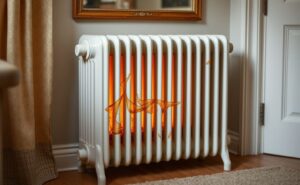
An oil filled radiator uses a heating element inside sealed oil-filled fins. The oil retains heat and releases it slowly, so the heater keeps radiating warmth even after switching off. Expect 15 to 30 minutes to warm a room fully, especially if it’s well insulated.
Space heaters, such as ceramic or convector types, heat up almost instantly or within five minutes. They often include fans to push warm air directly where you want it. This makes them ideal for quick, targeted heating in smaller spaces up to about 150 square feet.
| Heater Type | Wattage Range | Best Room Size |
|---|---|---|
| Oil Filled Radiator | 600–1500 W | Medium to large rooms, 150+ sq ft |
| Space Heater (Ceramic, Convector) | 750–1500 W | Small rooms or spots, under 150 sq ft |
Running Costs of Oil Filled Radiators Compared to Space Heaters
Electric heaters, including oil filled radiators and space heaters, convert almost 100% of their electricity into heat. But the way they use electricity over time affects your bill.
Oil filled radiators cycle on and off less frequently because the oil inside holds heat and keeps radiating. This means they use electricity in longer, steadier bursts rather than short bursts.
Space heaters draw power continuously during use, often running fans and heating elements at full power to deliver quick heat. That can add up if you run them for hours.
| Heater | Watts | Per hour | Per day (8 h) | Per month (30 days) |
|---|---|---|---|---|
| Oil Filled Radiator (8 hours) | 1,500 W | 23¢ | $1.80 | $54.00 |
| Space Heater (8 hours) | 1,500 W | 23¢ | $1.80 | $54.00 |
At 1,500 watts running 8 hours a day, either heater costs about $1.80 per day, or $54 a month at 15 cents per kWh. But the oil filled radiator’s heat retention can let you lower the thermostat or heater setting, saving energy over time.
 Winter Heating Bill CutterSee what every heater in your home really costs, heat the rooms you use, and cut the waste in 30 days.Cost-per-hour tables for every heaterThermostat schedule and draft-proofing planRunning-cost and bill calculator (Excel)
Safety Features of Oil Filled Radiators and Space Heaters
Oil filled radiators are generally safer than many space heaters because they have no exposed heating elements, though their surfaces can get hot. The oil inside is sealed and never needs refilling or changing, which means no risk of spills or leaks.
Space heaters often use exposed coils or fans that blow heated air, which can pose a burn risk and increase fire hazards, especially if placed too close to flammable items. Many modern models include tip-over switches that cut power if the heater falls, and overheat protection to shut off if internal temperatures get too high.
Kids and pets add complexity. Oil filled radiators’ hot surfaces can cause burns if touched, so they should be placed where curious hands and paws can’t reach. Space heaters with fans or exposed coils are easier for little ones or pets to get burned by, and their noise or airflow can attract attention.
Oil filled radiator safety compares favorably to electric fan heaters, which can start fires if dust builds inside or if safety switches fail. Choose models with UL, ETL, or CSA certifications and test safety features regularly.
Noise Levels of Oil Filled Radiators Versus Space Heaters
Oil filled radiators operate silently because they rely on convection heat through hot metal fins and do not use a fan. This makes them a good choice for bedrooms and offices where quiet is important.
Space heaters that use fans, like many ceramic models, produce noticeable noise. The fan motors and moving air can disrupt sleep or concentration and may circulate dust and allergens, which can bother allergy sufferers or those sensitive to air quality.
Ceramic heaters heat quickly, but their fan noise is a trade-off. Some newer models aim to reduce noise with quieter fans or multiple speed settings, but they rarely match the near silence of an oil filled radiator.
Oil filled radiators have downsides beyond noise, such as slower warm-up times, but when quiet operation is key, they’re the better option. For fast heat and tolerable noise, a space heater with a fan might be acceptable.
Installation and Portability of Oil Filled Radiators and Space Heaters
Plugging in either an oil filled radiator or a space heater is straightforward as both use standard 120 V outlets and require no special installation. The key difference lies in portability: oil-filled radiators weigh between 15 and 30 pounds and often come with casters to help move them, but they’re still noticeably heavier and bulkier than typical space heaters. Space heaters usually weigh less, making them easier to carry from room to room.
To use an oil filled radiator heater, you simply plug it in, set the thermostat or heat level, and let it warm the room. The oil inside the sealed columns heats up and circulates heat steadily through the fins. Compared to other electric heaters, oil filled radiators provide longer-lasting warmth without the instant blast of heat from a ceramic or fan heater.
| Feature | Oil Filled Radiator | Space Heater |
|---|---|---|
| Weight | 15 to 30 lbs | Generally under 10 lbs |
| Portability | Casters included but heavier | Lighter, easy to carry |
| Installation | No special setup | No special setup |
| Power Connection | Standard 120 V plug | Standard 120 V plug |
Lifespan and Maintenance Requirements of Oil Filled Radiators and Space Heaters
Oil filled radiators are built to last 10 to 20 years because their sealed oil reservoirs never need refilling or replacement. That sealed design means maintenance mostly involves cleaning the exterior and vents, not the oil inside. Troubleshooting usually centers on electrical components like the thermostat or power cord rather than the heating oil.
Space heaters tend to have shorter lifespans, often 5 to 10 years, especially models with fans. Fans need periodic cleaning to prevent dust buildup, which can cause noisy operation or reduced airflow. Heating elements may also wear out faster due to frequent cycling on and off.
Common maintenance tasks for space heaters include cleaning or replacing filters if present, wiping down elements, and inspecting cords for wear. Oil filled radiators require less upkeep but should still be stored dry and handled carefully to avoid damage to the casing or controls.
Heat Output of Oil Filled Radiators and Space Heaters
Oil filled radiators are often more efficient at heating than standard convection heaters because they store heat in their oil reservoir and release it steadily over time. Unlike basic convection heaters that warm air quickly but lose heat when turned off, oil filled radiators maintain warmth by radiating stored heat even after the element cycles off.
The oil inside the radiator acts as a thermal battery. It absorbs electrical energy, heats up, and then slowly transfers that heat through the metal fins to the room air. This process avoids temperature swings and drafts common with fan-forced convection heaters, making the heat feel more consistent and comfortable.
For example, a typical 1,500 W oil filled radiator might take 15 to 20 minutes to reach full temperature but continues radiating heat for 30 minutes or more after shutting off. A convection heater with a fan delivers heat immediately but cools quickly when off. The steady release means less frequent cycling and potentially lower overall energy use to maintain the same room temperature.