

Oil-filled radiators provide longer-lasting heat retention and are generally quieter, while electric radiators offer faster heating and portability, making them suitable for different heating needs and spaces.
Choosing between oil-filled and electric radiators impacts comfort, efficiency, and operating costs. Both convert electricity to heat at 100% efficiency, but their heating methods differ significantly.

PELONIS
PELONIS Radiator Heater for Large Space, Electric…
- 𝑭𝒂𝒔𝒕 𝑯𝒆𝒂𝒕𝒊𝒏𝒈, 𝑳𝒂𝒔𝒕𝒊𝒏𝒈 𝑪𝒐𝒎𝒇𝒐𝒓𝒕: The 1500W power heats the whole house rapidly and the hot air circulation delivers long-lasting and…
- 𝑬𝒏𝒆𝒓𝒈𝒚 𝑬𝒇𝒇𝒊𝒄𝒊𝒆𝒏𝒕: Equipped with 3 heating modes 600W/900W/1500W, which can also be used in combination to help save energy bills i…
- 𝑾𝒉𝒊𝒔𝒑𝒆𝒓-𝑸𝒖𝒊𝒆𝒕: Lacking of fan construction, PELONIS oil heater is super quiet, perfect for bedrooms, offices, rooms and other indo…
How Oil-Filled Radiators Work
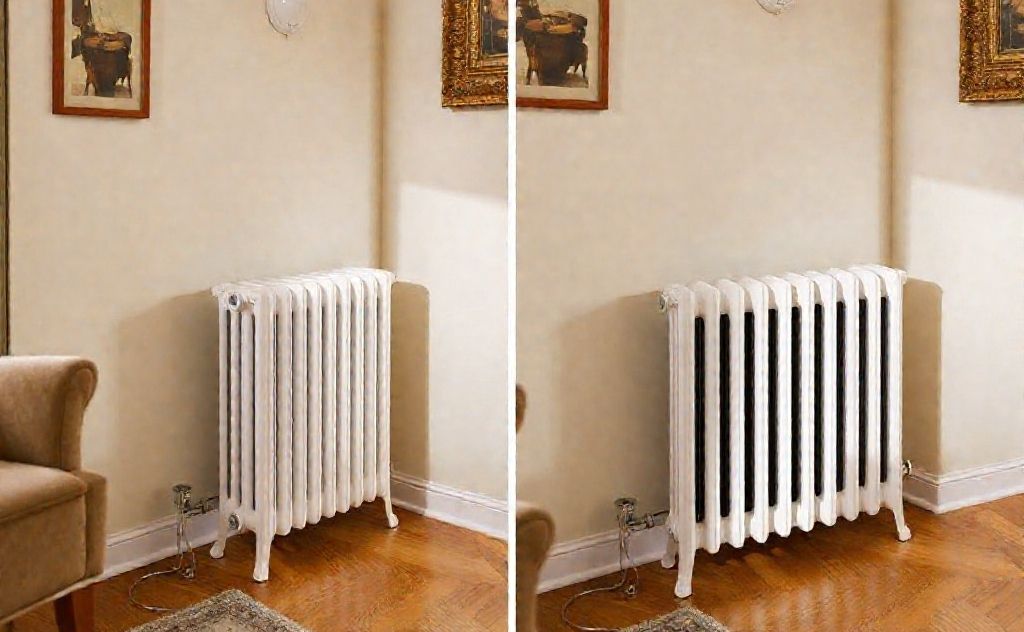
Oil-filled radiators use diathermic oil as a heat reservoir. Electricity heats the oil, which then warms metal fins through convection. The oil never needs refilling – it simply circulates within a sealed system. Learn more about oil radiator technology.
Key Advantages
- Retains heat – Continues warming after turning off (30-60 minutes)
- Silent operation – No fans or moving parts
- Gentle heat – Avoids the dry air of forced-air systems
- Energy efficient – Thermostat cycling reduces power use
Limitations
- Slow warm-up – Takes 15-30 minutes to reach full temperature
- Heavy design – Difficult to move (typically 15-30 lbs)
- Surface heat – Exterior reaches 150-200°F (safety concern)
Electric Radiator Characteristics
Modern electric radiators use ceramic, quartz, or metal heating elements. Some models combine convection and radiant heating for faster results.
Performance Benefits
- Instant heat – Provides warmth within seconds
- Precise control – Digital thermostats maintain ±1°F accuracy
- Portable – Lightweight designs (5-15 lbs) with handles
- Directional heating – Oscillating models distribute warmth
Potential Drawbacks
- Noise – Fan models produce 40-60 decibels
- Dry air – Can reduce humidity by 10-15%
- Energy spikes – Draws full power until reaching temperature
Head-to-Head Comparison
| Feature | Oil-Filled | Electric |
|---|---|---|
| Heat-up Time | 15-30 minutes | Instant-2 minutes |
| Heat Retention | 30-60 minutes after off | Minimal retention |
| Noise Level | Silent | Quiet to moderate |
| Energy Use Pattern | Cycles on/off | Constant when active |
| Best For | Bedrooms, all-night use | Quick warm-ups, offices |
Real-World Efficiency Factors
While both types convert electricity to heat with equal efficiency, user behavior affects actual energy consumption:
Oil Radiator Efficiency
The thermal mass of oil-filled units allows less frequent thermostat cycling. In tests, they maintain temperature with 15-20% less runtime than electric models in steady-state conditions.
Electric Heater Advantages
Modern ceramic models with PTC (Positive Temperature Coefficient) technology automatically reduce power as they warm. According to U.S. Department of Energy, this can lower energy use by 10-15% compared to standard resistance heaters.
Safety Considerations
Oil-Filled Safety
- No exposed heating elements (reduced fire risk)
- Tip-over switches on most models
- Surface temperatures stay below combustion points
Electric Heater Safety
- Cool-touch exteriors on quality models
- Overheat protection circuits
- Fans reduce surface temperatures
For child-safe operation, consider wall-mounted options that keep units out of reach.
Cost Analysis
Purchase Price
- Oil-filled: $50-$150 (higher for premium models)
- Electric: $30-$200 (wide range based on features)
Operating Costs
Assuming $0.15/kWh and 5 hours daily use:
- 1500W oil-filled: ~$34/month (with cycling)
- 1500W electric: ~$45/month (continuous use)
Special Use Cases
Best for Large Rooms
Oil-filled radiators outperform in spaces over 150 sq ft due to better heat retention. Their radiant effect warms objects rather than just air.
Best for Quick Warmth
Halogen or ceramic electric heaters provide immediate comfort. As noted in Consumer Reports testing, these can raise local temperatures 10°F within 5 minutes.
Maintenance Requirements
Oil-Filled Care
- Wipe exterior annually
- Check for oil leaks (rare)
- Inspect power cord for damage
Electric Heater Maintenance
- Clean air filters monthly (fan models)
- Remove dust from heating elements
- Check for frayed wires
For troubleshooting oil radiator issues, see our guide on oil-filled radiator not heating problems.
Related pick: Check today's price on Amazon

I am a mechanical engineer and love doing research on different home and outdoor heating options. When I am not working, I love spending time with my family and friends. I also enjoy blogging about my findings and helping others to find the best heating options for their needs.
Related guides

Why the Dreo Oil Filled Radiator Heater is a Game Changer for Large Rooms
Stay cozy this winter with the Dreo DR-HTF1500W Oil Filled Radiator Heater. Find out how it keeps your…
Safe to Use Diesel Heater with Reinforced Safety Guard for Job Sites
Garvee 175000 BTUs Kerosene/Diesel Forced Air Heater, Kerosene Fan Forced Heater with Thermostat ... ✅ Prime Shipping Available…
Why the PETSITE 700W Oil Filled Radiator Heater Stands Out
Stay warm this winter with the PETSITE 700W Oil Filled Radiator Heater. Check out our review to see…