

Tankless water heaters are often praised for their energy savings, but the monthly cost depends on several factors beyond just the unit price. While they eliminate standby heat loss, installation and fuel expenses can vary widely.
Understanding the real monthly cost helps you budget better and decide if a tankless system fits your home and usage pattern. We’ll break down the numbers and show where you can save. A common belief is that tankless heaters always save money—true only if installation and usage match your needs.
Tankless Water Heater Monthly Running Costs Explained
The average monthly cost to run a tankless water heater ranges from about $23 to $35, depending mainly on your fuel type and local energy prices. Annually, that adds up to roughly $280 to $420. Electric models running at 17 cents per kWh typically cost around $25 monthly, while propane or natural gas units vary with fuel prices.
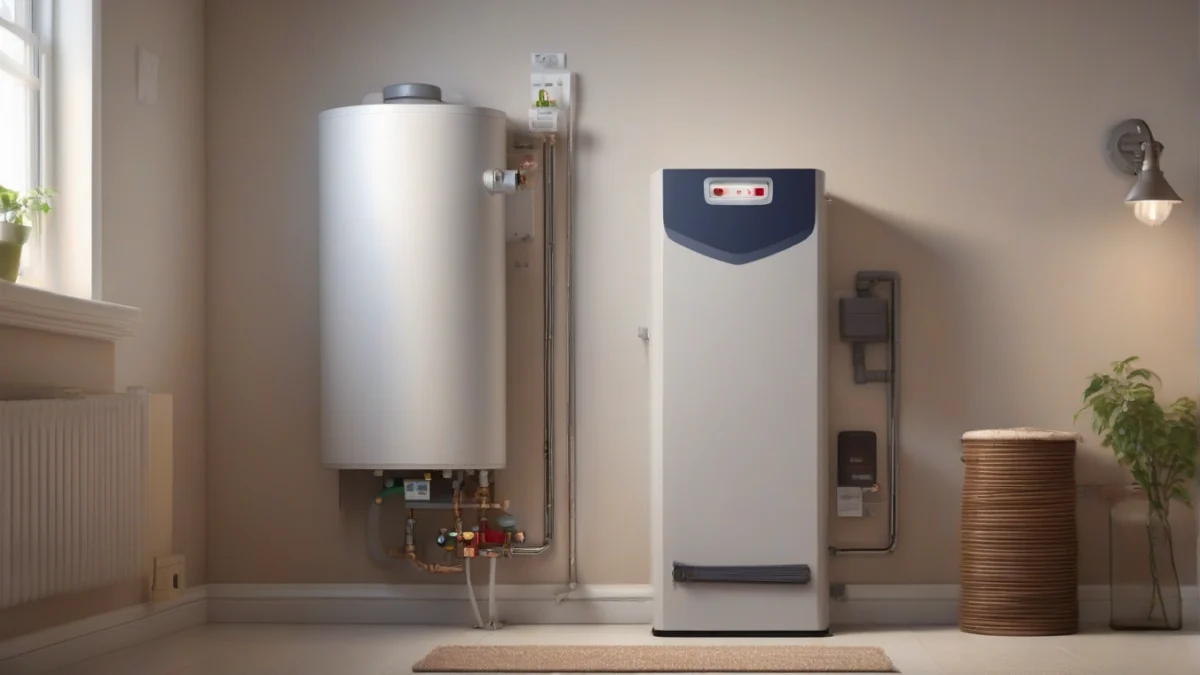
Typical daily hot water use assumes about 40 to 50 gallons per person, with flow rates between 2 and 4 gallons per minute (GPM) for showers and taps. Tankless heaters heat water on demand, so energy is used only when you need hot water, avoiding the standby heat loss common in tank models. That can save around 10% to 30% on your water heating costs annually.
| Heater | Watts | Per hour | Per day (3 h) | Per month (30 days) |
|---|---|---|---|---|
| 1,500 W electric tankless heater | 1,500 W | 26¢ | 77¢ | $22.95 |
| Heated water usage | 4,000 W | 68¢ | $2.04 | $61.20 |
Installation impacts your monthly costs indirectly. Higher upfront installation costs, especially if electrical panels or gas lines need upgrading, spread over the heater’s lifetime raise your effective monthly expense. However, since tankless units avoid the energy wasted keeping a tank hot all day, their monthly operating cost is consistently lower than standard tank heaters.
Standby heat loss savings are a key reason tankless water heaters can reduce your electricity use costs. Unlike tank heaters that keep water hot 24/7, tankless units heat water only when needed, cutting wasted heat loss. That difference alone can trim about 100 to 150 kWh monthly in an electric system, which at 17 cents per kWh is around $17 to $25 saved.
Installation and Home Setup Influence Monthly Costs
Tankless water heater installation can cost as much or more than the unit itself, with labor and parts often making up 50% to 60% of the total price. This upfront expense influences your monthly cost because you amortize it over the system’s 15- to 20-year lifespan.
Your home’s setup plays a big role. If your electrical panel is older or undersized, adding a high-demand electric tankless heater may require costly panel upgrades, raising both installation and monthly electric demand charges. Similarly, gas line modifications for high BTU tankless gas heaters can add thousands to installation costs.
| Installation Factor | Effect on Cost |
|---|---|
| Labor and parts | 50-60% of total installation cost |
| Electrical panel upgrade | Adds significant upfront cost, may increase monthly electric demand |
| Gas line upgrades | Can add hundreds to a couple thousand dollars upfront |
| Venting system requirements | Varies by region and fuel type, can add several hundred to over a thousand dollars |
Regional price differences affect installation costs too. Urban areas with higher labor rates or strict building codes may see installation prices well above national averages. Venting requirements also vary—some gas tankless models need special vent materials or configurations that add cost.
Installation complexity directly impacts your payback period. A simple swap with no upgrades might pay back in 3 to 5 years, while extensive electrical or gas infrastructure work can push payback beyond 10 years, reducing the financial benefits.

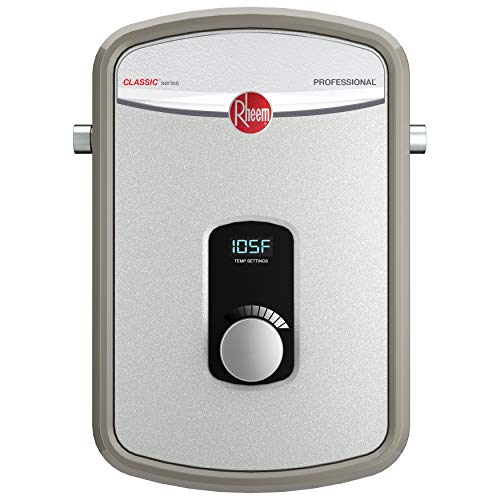
Fuel Types Drive Monthly Running Costs
Fuel type is the biggest factor shaping your tankless water heater’s monthly running costs. Propane, natural gas, and electricity each bring different fuel prices, burn rates, and efficiency that add up to varying bills.
Propane tankless water heaters burn propane at about 1.5 gallons per month for typical household use, assuming a fuel price of $3.00 per gallon. At 95% combustion efficiency, that’s roughly 135,000 BTUs per gallon, so the effective monthly fuel consumption costs about $4.50 just in propane. Natural gas costs less—around $1.20 per therm, with a burn rate near 50 therms per month for water heating—leading to about $60 monthly fuel cost with 85% efficiency.
Electric tankless water heaters use watts, not BTUs, so their monthly cost depends on power draw and electricity rates. For example, a 14kW unit running 3 hours daily uses 42 kWh a day. At a 17 cents per kWh rate, that’s about $21.40 per month. Electric units boast near 99% energy conversion efficiency, but electricity costs more per unit than gas fuels.
| Fuel Type | Fuel Price | Burn Rate (per month) | Efficiency | Estimated Monthly Cost |
|---|---|---|---|---|
| Propane | $3.00 per gallon | 1.5 gallons | 95% | Propane fuel cost plus other expenses |
| Natural Gas | Cost per therm varies by location and supplier | 50 therms | 85% | Gas fuel expense depends on consumption and local rates |
| Electric | $0.17 per kWh | ~42 kWh | 99% | Electric energy cost depends on usage and local rates |
Gas heater costs can vary widely with regional fuel prices and required venting modifications, while electric heaters require panel capacity upgrades if your home’s electrical system isn’t ready. Propane tankless water heaters offer portability and ease of installation in off-grid settings but usually have higher fuel costs than natural gas.
Fuel choice also affects total cost of ownership beyond monthly bills. Natural gas typically has the lowest fuel cost but may require expensive gas line upgrades. Electric models have lower installation complexity but higher operating costs. Propane balances installation ease and fuel cost but is sensitive to market price fluctuations.
Ways to Reduce Tankless Water Heater Monthly Costs
You can lower your tankless water heater electricity use costs savings by choosing efficient models with smart controls and by optimizing usage habits and settings.
Comparing Tankless Water Heaters to Other Water Heating Options
Tankless water heaters typically cost more upfront but can save money monthly by avoiding standby heat loss, a major drain in traditional tank heaters.
A conventional tank heater keeps a large water tank hot 24/7, losing heat to the surrounding air. That standby loss can add 10% to 20% to your water heating energy use. Tankless systems heat water only when you need it, eliminating this waste.
| Water Heater Type | Estimated Monthly Energy Cost |
|---|---|
| Conventional Tank Heater (gas) | Typical monthly cost range varies by usage and fuel |
| Tankless Water Heater (gas) | Monthly costs depend on fuel type and consumption |
| Electric Heat Pump Water Heater | Ranges reflect differences in electric rates and usage |
| Hybrid Water Heater (electric with heat pump) | Costs vary with fuel prices and water heating demand |
Maintenance also factors in. Tank heaters often need tank flushing every 1 to 3 years due to sediment buildup, and their shorter lifespan—around 8 to 12 years—means replacement costs come sooner. Tankless units last 15 to 20 years and require less frequent descaling, but their electronic components and complex installation can raise service costs.
A tankless boiler variant combines heating water on demand with integration into hydronic heating systems. It shares similar cost and efficiency traits with standard tankless water heaters but often has higher installation requirements.
Tankless is more cost-effective if your household uses less hot water or you want to reduce energy waste. However, in larger homes with simultaneous high demand or where installation upgrades are costly, a conventional tank heater or a heat pump water heater might offer better value.
Frequently Asked Questions
What is the average monthly cost to operate a tankless water heater?
How do installation costs vary by region and home setup?
What maintenance expenses should I expect annually for a tankless water heater?
How much do electrical or gas line upgrades add to my total cost?
Are there recommended tankless models for different household sizes?
What rebates or tax credits are currently available for tankless water heaters?

I am a mechanical engineer and love doing research on different home and outdoor heating options. When I am not working, I love spending time with my family and friends. I also enjoy blogging about my findings and helping others to find the best heating options for their needs.