Tankless Water Heater Installation Cost Guide (2026)
Joye
Updated September 26, 2026 13 min read
Straight answer
Installing a tankless water heater inside your home costs about $2,650 on average, ranging from $1,000 for a simple swap to $5,500 for a full retrofit. That figure includes both the unit and professional labor. The biggest drivers are the fuel type, upgrades to gas or electrical lines, and whether your space needs venting or panel work.
Most people see the installed price—$1,000 to $5,500—and wonder where all that money goes. The answer depends on your fuel, your house, and the number of surprises behind your drywall.
If you’re planning to install a tankless water heater this year, here’s what you’ll actually pay, what can push the number up or down, and the steps that make the biggest dent in your bill.
Key takeaways
A typical tankless water heater installation costs $2,650, but can swing by thousands depending on upgrades.
Gas models and complex retrofits cost more than electric or simple swaps.
Labor, venting, electrical or gas line upgrades, and permits add up fast—plan for hidden costs.
You can cut installation costs most by reusing lines, placing the unit near utilities, and choosing electric if your panel allows.
A service valve kit saves on future maintenance and should be installed from the start.
Tankless Water Heater Installation Cost Guide
For installing a tankless water heater inside your home, plan on about $1,000 to $5,500 installed, with an average near $2,650. A simple replacement sits near the low end; a gas conversion, electrical overhaul or full retrofit can push the tankless water heater installation price toward the high end.
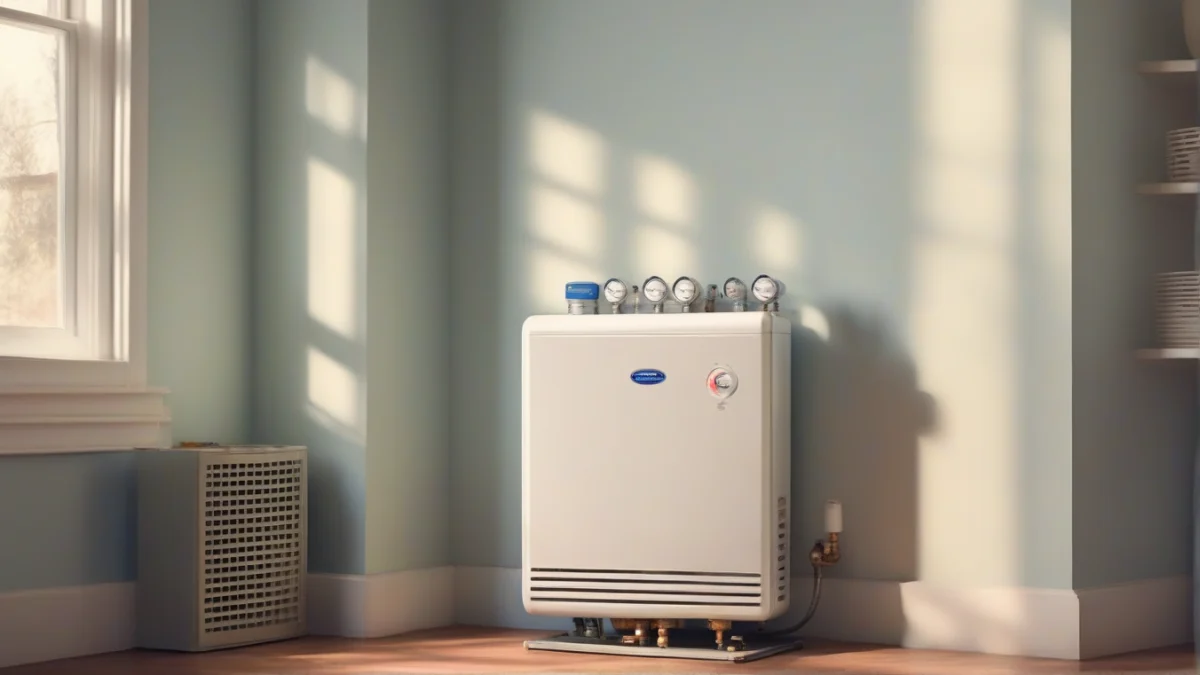
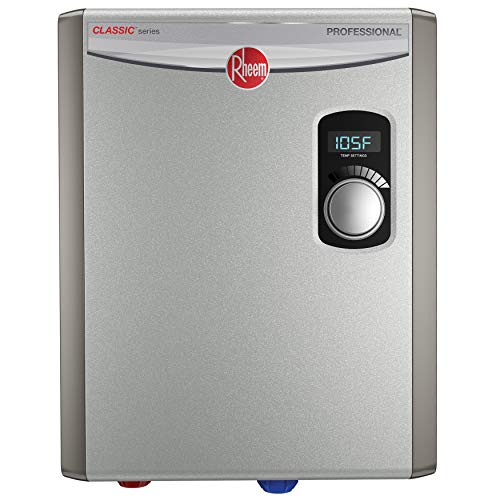
This tankless water heater is a key component of installation costs.
That tankless water heater price installed includes the heater and professional labor, but the range is wide because the appliance may be the easiest part of the job. A nearby replacement with suitable connections costs less than moving the unit, rebuilding the gas supply or adding new 240-volt electrical capacity.
Installation situation
What usually changes the bill
Planning range
Simple swap
Existing location, usable connections and limited changes
Starting with the unit alone, expect to pay in the low thousands for a basic model.
Typical professional installation
Unit, labor, permit and ordinary connection work
Installation and parts typically add a significant amount, often doubling the unit cost on average.
Full retrofit
Utility upgrades, new venting, relocation or panel work
For premium models and complex installs, total costs can reach several thousands of dollars.
Gas tankless heater
Gas line capacity, combustion air and approved venting
Often more complex
Electric tankless heater
240 V circuit capacity, wiring and possible panel work
Often simpler to vent
These are planning figures, not a quote. The home’s existing infrastructure decides where your project lands.
The main cost buckets are the unit, labor, utility work, venting and permits. Gas and electric models can have very different installation needs: a gas unit burns fuel and sends exhaust outdoors through approved venting, while an electric unit avoids combustion venting but may need a dedicated 240 V circuit and panel capacity.
Worked Example
Say a replacement stays in the same utility area and the existing connections can be reused. That is the kind of project that may approach the $1,000 end. If the installer must increase gas-line capacity, add listed venting, move the heater and complete permit inspections, the same water-heating goal can move toward the $5,500 retrofit end. The $2,650 average is a useful middle planning number, not a promise from the plumbing gods.
Simple swapAbout $1,000 installed
Average installationAbout $2,650 installed
Full retrofitUp to about $5,500 installed
Labor also covers more than hanging the box: the installer may shut down and alter water, gas or electrical services, test the connections, set controls and arrange inspection. Permits are usually required, and local fees vary, so ask for permit and inspection charges as separate quote lines.
Read the quote this way
Ask for separate prices for the unit, labor, permit, venting, gas or electrical upgrades, water-line changes and removal of the old heater. A single lump sum hides the reason your cost to install a tankless water heater moved.
Who should do the work
Gas connections, venting and 240 V electrical work belong with qualified, licensed tradespeople where local rules require them. Don’t install a tankless water heater yourself just because the mounting bracket looks friendly; a failed vent or gas connection can create fire, carbon-monoxide or water-damage hazards.
Installing tankless hot water is cheaper when the new heater stays near existing connections and the home already has the required utility capacity. Labor rates, unit type and home modifications drive most quotes, with urban labor commonly costing more than work in lower-cost areas.
Gas installation usually needs an adequately sized gas line, approved exhaust venting and safe combustion arrangements. A gas line sized for an older tank heater may not be sufficient for a tankless model. Electric installation skips flue work, but many units need a 240 V circuit; a crowded or undersized service panel can turn a short install into an electrical upgrade.
Driver
Ask what the quote includes
Why it changes cost
Labor
Hours, trade involved and local rate
Urban rates and difficult access can raise the bill
Unit type
Gas or electric model and included parts
The fuel system determines venting or circuit work
Home modifications
Gas line, wiring, panel, water lines and relocation
Existing capacity may not match the new heater
Permits and inspection
Application, fee and final inspection
Most jurisdictions require approval for this work
A clear quote shows the work behind each number.
The installation may be easier when the replacement uses the same fuel, location and connection path as the old heater. Even then, the installer must confirm water flow, shutoff access, pressure-relief protection and the manufacturer’s installation requirements. A tankless heater isn’t a plug-in appliance with a water pipe attached.
Before asking for quotes
Have the installer identify the proposed gas-line size or required 240 V circuit.
Ask if a new vent, condensate drain or panel upgrade is included.
Confirm the unit location and clear access for service.
Request permit and inspection fees as separate line items.
Ask who handles gas, electrical and plumbing portions of the work.
Get the removal and disposal cost for the old heater in writing.
Useful for connection planning
SharkBite 3/4 Inch Push to Connect Tankless Water Heater Valves Insta…
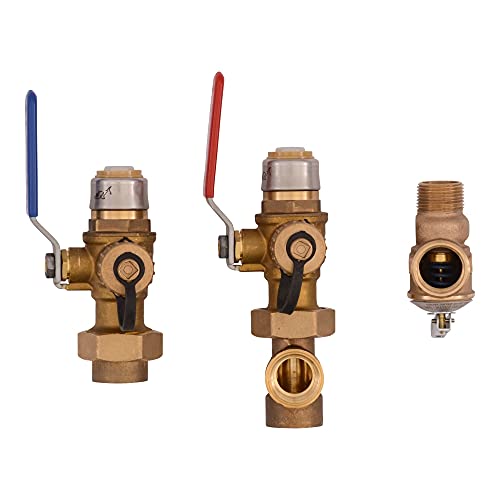
Product 2 can simplify the water-side connection where its 3/4-inch IPS fitting matches the heater and the existing copper, PEX, CPVC or PE-RT piping, but it doesn’t replace required gas, electrical, venting or permit work.
Permits and inspections protect more than paperwork: they help verify venting, gas connections, electrical work and discharge piping. Local rules differ, so confirm requirements with your building department before scheduling the tankless heater install.
If you’re comparing contractors, ask for the license information required in your area and a written scope that names every upgrade. A low bid that leaves out the panel, vent or permit is only low until the second invoice arrives.
Tools and Kits That Save on Installation and Maintenance
A proper service valve kit gives you shutoffs for flushing and repairs, which can make the next service call simpler. Choose the connection style that matches your existing water lines and the installer’s plan.
Best for standard IPS
HYDRO MASTER Tankless Valve Kit
This all-in-one kit includes color-coded hot and cold isolation valves, full-port ball valves and a pressure relief valve, so the heater can be isolated for flushing or repairs. Its 3/4-inch IPS fit works with major tankless brands and the forged lead-free brass body is built for leak resistance.
The push-to-connect ends can join compatible water lines without soldering, glue, crimping or special tools, which may reduce work during a retrofit. The valves also rotate after installation, giving your installer more flexibility where the tankless unit sits in a tight space.
Comparing Tankless and Tank Water Heater Installation Costs
A traditional tank water heater usually costs about $800 to $2,500 installed, while a tankless unit runs about $1,000 to $5,500; an electric tankless water heater installed often lands near $1,000 to $3,000 when the panel and plumbing are ready.
Water heater
Typical installed cost
Typical service life
Main efficiency point
Traditional tank
Typical installation costs range widely depending on factors like plumbing and electrical upgrades.
About 8–12 years
Stores hot water, so some heat escapes between uses
Tankless
Total expenses for tankless water heaters, including high-end units and challenging installations, can vary greatly.
About 15–20 years
Heats water on demand and avoids tank standby losses
Rough planning ranges; fuel type, capacity, local labor and required upgrades can move either figure.
Tankless makes the strongest case when you use a lot of hot water, have limited space, or expect to stay in the home long enough to use its longer service life. A tank usually wins on the initial bill and can be the better choice if the installation needs a new gas line, larger electrical panel or major venting work.
Payback is the extra installation cost divided by annual energy savings, not the full tankless price divided by wishful thinking. If tankless costs $1,500 more and saves an assumed $150 per year, the simple payback is $1,500 ÷ $150 = 10 years; your utility rates, water use, incoming water temperature and maintenance decide whether that number improves.
Worked Example
Say a family of four uses roughly 64 gallons of hot water per day. A properly sized tankless heater can supply that daily volume, but its flow rate must also cover showers and fixtures running at the same time. If the household saves an assumed $12.50 per month in water-heating energy, $1,500 of extra installation cost takes $1,500 ÷ ($12.50 × 12) = 10 years to recover.
HouseholdFour people
Planning useAbout 64 gallons per day
Extra installation costInstallation costs can be substantial, o
Assumed savings$12.50 per month
Myth
Tankless always pays for itself quickly.
Fact
A tankless heater can use less energy because it doesn’t keep a storage tank hot, but the higher installation bill may take many years to recover. A ready-to-go electric location has a better payback case than a gas retrofit with new venting and utility work.
Use The Long View
Compare the added tankless cost with the years you expect to remain in the home, then check the manufacturer’s maintenance requirements. Saving standby energy won’t rescue a project you sell before the payback arrives.
How to Cut Your Tankless Installation Cost
Installing a tankless water heater yourself is rarely the easy shortcut; the safer savings come from choosing a simple location, preparing the space and leaving gas, electrical and venting work to licensed pros in most places.
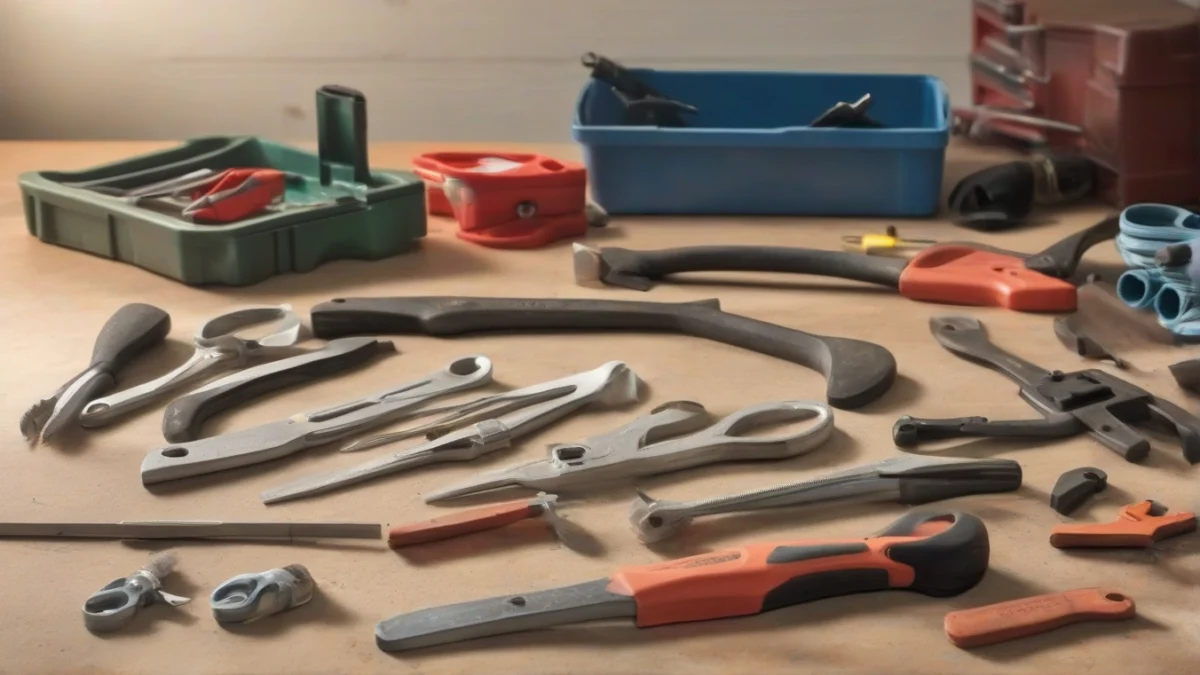
Having the right tools can help you prepare the installation space.
1
Keep the connection point
Place the new heater near the existing water, gas or electrical connections and drain. Shorter runs usually mean less material and labor. An electric model is easier to install only when the existing panel has the capacity for its required circuit; a 1,500-watt plug-in heater is a different animal from a whole-home electric tankless unit.
2
Check the old vent
Ask the installer whether the existing venting is listed for the new model and meets current code. A gas tank’s vent cannot automatically be reused for a tankless heater, so confirm before choosing a location. Reusing an approved vent and nearby lines can reduce work; forcing an incompatible vent is a false economy.
3
Do the safe preparation
Clear storage and combustibles from the work area, provide the access the manual calls for, and identify the main water shutoff and electrical panel. You may be able to arrange the permit, or run an approved drain under local rules, but ask the building department first. Don’t open gas lines, alter 240-volt wiring or connect venting yourself.
4
Add service valves
A proper valve kit lets a technician isolate the heater and flush its heat exchanger without shutting down the entire home’s water supply. That can make future maintenance faster and cheaper, provided the valves, pressure-relief device and drain arrangement match the heater and local code.
5
Get comparable bids
Give each installer the same heater model, location and requested work. Ask for separate line items for the unit, water or gas piping, electrical work, venting, permits, removal and commissioning; a low bid missing one of those items isn’t low for long.
Useful for future service
HYDRO MASTER Tankless Water Heater Service Valve Kit with Pressure Re…
Product 1 suits a standard 3/4-inch IPS tankless connection when its 500 WOG isolation valves and 150 PSI pressure-relief valve match the heater and the installer approves the kit.
Many jurisdictions require a permit for an electric tankless water heater because the job may add or modify a circuit; gas, venting, 240-volt electrical work and pressure-relief piping also commonly require licensed trades. Call the local building department before work starts, and never cap or omit the relief valve.
Ask Before Buying The Unit
Have the installer verify the panel rating, available breaker space, incoming water temperature, peak flow and required vent before you order. A bargain heater that needs a service upgrade can turn into an expensive wall ornament.
What to Check Before You Buy or Install
The safest tankless water heater installation guidelines start with the location, fuel supply, electrical capacity and local permit rules—not the heater’s price tag. Tankless water heaters are usually installed on an accessible wall near the plumbing fixtures; gas models often need an exterior wall or approved vent route, while electric models need room for their wiring and service access.
Confirm Before Ordering
Location: Verify the wall can support the unit and leaves the manufacturer’s required service clearances.
Clearance: Check every dimension in the installation manual, including space around the vent, combustibles and access panels.
Fuel: For gas, confirm the gas line, venting and combustion-air requirements. For electric, check the model’s voltage, amperage and dedicated circuit needs.
Panel and utility: Have an electrician confirm the service panel and wiring can handle the electric model; ask the gas utility about meter or service capacity if needed.
Permits and code: Ask your building department which permits, inspections and venting rules apply in your area. Local code can restrict vent-free equipment and may require licensed tradespeople.
Installation Is Model-Specific
Tankless water heater installation instructions are not interchangeable. Gas installation requires proper gas connections, venting and combustion air; electric installation requires correctly sized circuits and 240-volt electrical work on many models. Use a licensed plumber or electrician for those connections instead of treating a wiring diagram like a weekend invitation.
Can I install a tankless water heater myself, or do I need a professional?
Most homeowners should hire a licensed plumber, and gas models may also require licensed gas work under local rules. The job can involve fuel connections, venting, condensate drainage, permits and 240-volt electrical work; a mistake in any of those areas can create a leak, fire risk or unsafe exhaust.
How much does it cost to convert from a tank to tankless?
A tank-to-tankless conversion commonly falls within the broader $1,000 to $5,500 installed range, but a simple swap is less likely than a true retrofit. Older homes may need a larger gas line, new venting, upgraded electrical service, a condensate drain or wall repairs after the old tank leaves.
What are the hidden costs of tankless water heater installation?
Permit fees, removal of the old tank and small changes to water lines can add to the quote. Gas units may also need vent materials and combustion-air work, while electric units can require a dedicated 240-volt circuit or panel upgrade; ask the installer to list each allowance before work begins.
Do I need a permit to install a tankless water heater?
Many jurisdictions require a plumbing permit, and gas or electrical changes can trigger separate permits or inspections. The exact rule depends on your city and the work involved, so check with the building department or have the licensed installer confirm the permit plan before ordering the heater.
How long does a tankless water heater installation take?
A straightforward replacement near the existing water, gas or electrical connections can often be completed in one workday. A conversion that needs new venting, a larger gas line, panel work or wall repairs takes longer, and an inspection may add time before the installation is fully closed out.
I am a mechanical engineer and love doing research on different home and outdoor heating options. When I am not working, I love spending time with my family and friends. I also enjoy blogging about my findings and helping others to find the best heating options for their needs.