




Many space heaters come with short cords that limit where you can place them safely. Using an extension cord with a space heater is a common mistake that risks overheating and fire hazards. Choosing a heater with an extra-long power cord avoids these risks and gives you flexible placement options.
This guide ranks the best space heaters with long cords, explains how to pick the right one, and covers safety, sizing, and running costs so you can buy with confidence.
Space Heaters With Extra-Long Power Cords Compared
| Model | Best for | Power (Watts) | Cord Length | Room Size | Safety Features | Price |
|---|---|---|---|---|---|---|
| BLACK+DECKER Personal Ceramic Heater BHDC201 | Best for Small Rooms | 1500 | 6 feet | Small to medium | Tip-over and overheat shutoff | See it on Amazon |
| Dr. Infrared Heater DR-968H with Humidifier | Best for Humidifying | 1500 | 72 inches | Large | Tip-over, overheat, auto shutoff timer | See it on Amazon |
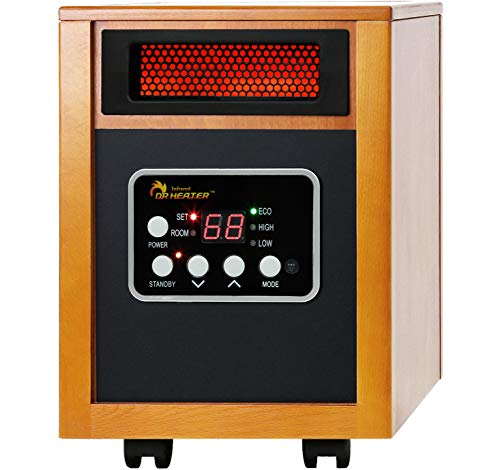
| Dr Infrared Heater DR-968 Portable Space Heater | Best for Large Rooms | 1500 | 72 inches (6 feet) | Large | Tip-over, overheat, auto shutoff timer | See it on Amazon |
| VOLTORB Electric Space Heater 1500W | Best for Energy Efficiency | 1500 | — | Medium to large | Tip-over, child lock, overheat protection | See it on Amazon |
| Dura Heat EUH4000R Electric Forced Air Heater | Best for Garages | — | — | Up to 400 sq. ft. | Overheat shutoff | See it on Amazon |
Best Space Heaters With Extra-Long Power Cords
BLACK+DECKER Personal Ceramic Heater BHDC201
Dr. Infrared Heater DR-968H with Humidifier
Dr Infrared Heater DR-968 Portable Space Heater
VOLTORB Electric Space Heater 1500W
Dura Heat EUH4000R Electric Forced Air Heater
How Long Are Space Heater Power Cords and Why It Matters
Most space heaters come with power cords between 4 and 6 feet long, enough for typical room setups. For example, a 240 V, 405 W heater might have a 6-meter (about 20 feet) cord, which is unusually long and allows flexible placement. The BLACK+DECKER Personal Ceramic Heater includes a 6-foot cord, common for portable models sized for small to medium rooms.
Longer cords let you position the heater where you need heat without stretching cords dangerously across walkways or using extension cords. That’s important because space heaters draw a lot of current—around 12.5 A at 1,500 W on a 120 V circuit—pushing extension cords beyond their rating risks overheating and fire.
Extension cords for space heaters are a common mistake. Many people run them across the floor or under rugs, which traps heat and can cause the cord’s insulation to break down. A longer built-in cord avoids these risks by giving you more freedom to reach a wall outlet safely.
If you want the longest cords available, some models boast cords up to 10 feet or more, but these are rare and usually found on industrial or forced-air heaters like the Dura Heat EUH4000R. For everyday use, 6 to 8 feet covers most needs and is a safer bet.
Choosing a heater with a long, heavy-duty power cord lets you skip extension cords entirely, reducing fire hazards and ensuring the heater runs at full capacity. When you see “space heater with long cord,” look for cords rated for at least 15 A and designed for the heater’s voltage and wattage.
Extension Cord Requirements for Space Heaters
Using an extension cord with a space heater is generally unsafe and not recommended. Most household extension cords aren’t built to handle the 12 to 15 amps a typical 1,500 W heater draws on 120 V power. This can cause the cord to overheat, melt insulation, or even start a fire.
If you absolutely must use an extension cord, pick one rated for at least 15 amps, with 14-gauge wire or thicker, and a grounded three-prong plug. The cord should be the shortest length possible to reduce voltage drop and overheating risk.
Keep the cord fully uncoiled and avoid running it under rugs or furniture where heat can build up. Even then, this is a last resort, not a convenience. Many manufacturers and safety organizations explicitly warn against using extension cords with space heaters.
A better choice is to buy a space heater with a longer power cord to start with. Models like the BLACK+DECKER Personal Ceramic Heater offer 6-foot cords, giving you room to position the heater without adding external cords. That reduces risk and complies with safety guidelines.
In short, “can an extension cord be used with a space heater?” The safest answer is no, unless it’s a heavy-duty cord designed for the purpose, used carefully and temporarily. Otherwise, pick a heater with a cord long enough for your setup and plug it directly into a dedicated wall outlet.
For more on cord length and heater selection, see our guide to best space heaters with long cords for flexible heating.
How to Choose the Right Space Heater With Extra-Long Power Cord
Space heater power consumption usually runs between 750 and 1,500 watts, which means they draw roughly 6.25 to 12.5 amps on a standard 120 V circuit. Low power space heaters at 750 watts can cut your electricity use in half but heat a smaller area.
Matching wattage to room size is key. A 1,500 W heater works well for about 150 square feet, so for a bedroom 12 by 12 feet (144 sq ft), that’s perfect. For larger rooms, you might need multiple units or a heater rated above 1,500 W, but these often require a dedicated circuit or a 240 V model.
Cord length should align with your room layout. Most space heaters come with cords between 4 and 6 feet. If your plug is far from where you want heat, seek models with cords 8 feet or longer. For example, a 10-foot cord makes placing a heater in a corner across the room safe and straightforward without extension cords.
Space heaters with the longest cords on the market stretch up to around 10 feet. Beyond that, manufacturers typically warn against using extension cords due to fire risk and voltage drop, which reduces heater performance and can damage wiring.
Safety features are non-negotiable. Look for tip-over switches that cut power if the heater falls, and overheat protection to shut the unit down if temperatures get too high. These features reduce fire hazards significantly.
Control options matter for convenience and energy savings. Digital thermostats with accurate temperature sensors prevent wasting power. Remote controls add flexibility when the heater is placed out of easy reach. Noise levels vary: ceramic heaters and oil-filled radiators tend to run quietly, while forced-air models can be noisy. Choose based on where you’ll use it—bedrooms benefit from quieter models.
How Long Can Space Heaters Stay On Safely
Space heaters can usually run safely for several hours thanks to built-in safety features like auto shutoff timers and overheating cutoffs. Many models include a timer that switches off the heater after 1 to 8 hours, preventing continuous operation.
Manufacturers generally advise against leaving space heaters unattended for long periods. They recommend turning heaters off when leaving a room or going to sleep unless the unit is explicitly designed for all-night use with safety certifications and features.
Running a space heater too long without monitoring raises risks like overheating, fire, and electrical faults. Even with tip-over and overheat protection, unexpected events can cause failure. Keep clearances around the heater free from combustibles and never plug it into an extension cord or power strip to reduce hazards.
What Competitors Leave Out About Space Heaters With Long Cords
Fans in space heaters typically last around 5,000 to 10,000 hours, depending on build quality and maintenance. This lifespan translates to several heating seasons if used moderately, but it varies by model and fan type.
If you want a space heater with a super long cord, options tend to top out around 10 feet. Beyond that, manufacturers rarely offer longer cords due to safety and performance concerns. For a long cord without extensions, look for models like the Dr. Infrared Heater DR-968H which provides about 8 feet—still longer than the usual 6-foot standard.
Cord quality matters as much as length. A thicker, well-insulated cord resists damage and heat buildup. Cheaper cords can fray or degrade, creating fire hazards, especially when stretched or bent repeatedly. Check for cords rated for at least 15 amps with flexible insulation for durability.
Noise Levels and Fan Lifespan
Many space heaters with fans produce noise levels from 40 to 60 decibels—similar to a quiet office or normal conversation. Lower-end models often have less durable fans that grow louder over time. A well-built fan lasts longer and spreads heat evenly without adding distracting noise.
Extra Features Like Humidifiers and Remote Controls
Some space heaters with long cords include extra features like built-in humidifiers to add moisture to dry winter air. This can make a room feel more comfortable, reducing dry skin and respiratory irritation. Remote controls add convenience, letting you adjust temperature and fan speed without leaving your chair.
These extras usually come in higher-end models but add value if you want more than basic heat. However, they increase the upfront cost and complexity, and the humidifier needs regular cleaning to avoid mold buildup.
Frequently Asked Questions
Can I use any extension cord with my space heater?
What length power cord is safe for space heaters?
Are space heaters with long cords more expensive?
How do I size a space heater for my room?
Is it safe to leave a space heater on all night?
What safety features should I look for in a space heater?

I am a mechanical engineer and love doing research on different home and outdoor heating options. When I am not working, I love spending time with my family and friends. I also enjoy blogging about my findings and helping others to find the best heating options for their needs.
Related guides

Shed Space Heaters: Weather-Resistant Heating Solutions
Ever wonder how to safely heat your shed? Get the essential guide to choosing and using a shed…
Electric Space Heaters for Indoor Use: Safe & Efficient Options
Which heater truly fits your home? Our electric indoor space heater guide reveals the top picks and key…
Vesta Self-Powered Heater Review: Emergency Heat Without Electricity
What if your heater powered itself? Compare the top Vesta Self-Powered Heater models and find your perfect off-grid…