
Winter’s chill can be tough on outdoor pets. A solar powered heating pad for a dog house offers a smart, sustainable solution, keeping your furry friend warm without running up your electric bill. It’s more than just a cozy spot; it’s a targeted heat source that can make a real difference in your dog’s comfort and health during cold months.
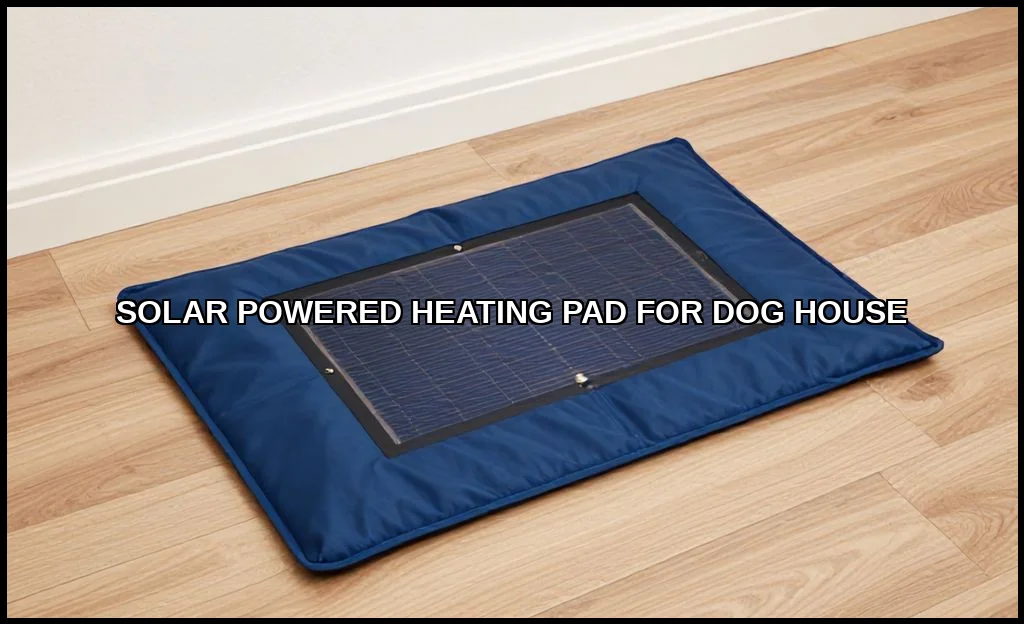
Think of it as a personal sunbeam for your pet’s bed. These systems use a small solar panel to charge a battery, which then powers a low-voltage, waterproof heating mat. For owners of larger breeds, finding a pad with adequate coverage is key. A product like the GOLOPET Large Dog heating pad is often recommended for its generous size and durable construction, making it a solid choice for spacious dog houses.
What is a Solar Powered Dog House Heating Pad?
At its core, this is an off-grid pet warmer. It combines renewable energy with pet-safe heating technology. The system typically includes a solar panel, a charge controller, a deep-cycle battery, and the heated pad itself. This setup provides a reliable thermostat control loop, ensuring the pad only warms to a safe, pre-set temperature, usually between 100-115F.
It’s distinct from an electric pet heating pad that plugs into your home’s grid. The solar version is completely self-contained. This independence is its biggest advantage for outdoor animal heating, eliminating extension cords and weather-related electrical hazards. It’s also a step up from passive solutions like a self-warming dog bed, which relies on your pet’s own body heat.
Key Features to Look For
Not all solar heating pads are created equal. When comparing options, focus on these critical specifications to ensure safety, durability, and effectiveness.
Safety and Durability Specifications
Your pet’s safety is non-negotiable. The pad must have a reliable, integrated thermostat control to prevent overheating. Look for a waterproof and weatherproof design that can handle moisture, snow, and dirt. The power cord should be a chew-resistant cord, or the system should be designed so wires are inaccessible. A low-voltage DC system (often 12V) is inherently safer than standard AC power.
- Automatic Shut-off: Turns off when the target temperature is reached.
- Durable Materials: Rip-stop fabric or reinforced vinyl surfaces.
- Weatherproof Connectors: Seals where cords join the pad or battery.
Power and Efficiency Metrics
Will it last through a long, cloudy night? That depends on the system’s capacity. The solar panel’s wattage and the battery’s amp-hour (Ah) rating determine runtime. A larger panel charges the battery faster, while a higher Ah battery stores more energy. For energy efficient pet heating, the pad’s wattage should be low (often 15-40W) but effective.
Consider your climate. Northern regions with shorter winter days may need a larger panel-battery combo. It’s a balance of initial cost and long-term performance. Understanding the pros and cons of different heating technologies can help you appreciate the efficiency of this direct, radiant heat.
Installation Guide & Tips
How to install a solar heating pad in a dog house is simpler than you might think. Proper setup ensures maximum efficiency and safety. Follow these steps for a successful installation.
- Position the Solar Panel: Mount it in a location that gets full, unobstructed sunlight for most of the day. South-facing is ideal in the Northern Hemisphere.
- Secure the Battery Box: Place the battery and charge controller in a dry, ventilated, and insulated enclosure near the dog house. Protect it from the elements.
- Place the Heating Mat: Put the pad inside the dog house, ideally under a removable blanket or thin bed layer. This protects it from direct claws and dirt while allowing heat to radiate through.
- Connect the System: Run the wiring from the panel to the charge controller, then to the battery, and finally to the heating pad. Ensure all connections are tight and weather-sealed.
- Test the System: On a sunny day, verify the panel is charging the battery and that the pad warms up and cycles off with its thermostat.
For the dog house itself, pairing the pad with an insulated dog house dramatically improves heat retention. The pad warms the interior space, and the insulation keeps that warmth in. It’s a powerful combination for extreme cold.
Safety Considerations for Your Pet
Are solar powered dog heating pads safe for all breeds? Generally, yes, when used correctly. The controlled, low-level heat is safe for most adult dogs. However, extra caution is needed for puppies, seniors, or pets with limited mobility who may not move off the pad if they become too warm.
Always monitor your dog’s initial use. Provide enough space in the dog house for them to lie off the pad if they choose. The pad should be a warm option, not a confined heat trap. For comprehensive advice on winter care, the AKC serves as an excellent authority guide on keeping your dog warm in winter.
Regular inspection is crucial. Check weekly for any damage to the pad’s surface, exposed wires, or moisture ingress. A system with a chew-resistant cord and robust construction offers peace of mind, but vigilance is still your best tool.
Top Product Recommendations & Buying Guide
Choosing the best solar heating pad for large dog houses or smaller shelters depends on your specific needs. Focus on size, power output, and build quality. Heres a comparison to help you evaluate.
| Feature | Importance | What to Look For |
|---|---|---|
| Heating Area Size | Critical | Should match your dog’s size when curled up. Allow for some extra space. |
| Battery & Panel Capacity | High | Larger systems for colder climates/longer nights. Check “days of autonomy” specs. |
| Construction Quality | High | Waterproof and weatherproof seams, tough top fabric, reinforced corners. |
| Thermostat Range | Critical | Adjustable or fixed safe range (100-115F). Prevents overheating. |
| Installation Ease | Medium | Clear instructions, pre-wired components, and simple mounting hardware. |
When considering solar vs electric heating pad for outdoor dogs cost, think long-term. The solar option has a higher upfront cost for the panel and battery. However, it has zero operating costs. An electric pad is cheaper to buy but adds to your monthly utility bill indefinitely. The solar version pays for itself over a few seasons, especially in sunny areas.
For reliable performance, choose brands that specialize in outdoor pet warmer products. Read reviews about durability in real winter conditions. A well-made system is an investment. Just as you’d research to find a good water heater for your home, invest time in selecting the right heater for your pet’s home.
Maximizing Value and Performance
To get the most from your investment, integrate it into a broader winter strategy. Use straw or cedar shavings as bedding on top of the pad; they provide excellent insulation and allow heat to rise. Ensure the dog house is raised off the ground and has a wind-blocking door flap.
Consider a portable pet warmer for travel or emergencies. Some solar pads are designed to be moved, with lighter-weight batteries and foldable panels. This versatility adds tremendous value. Remember, the goal is consistent, safe warmth. A comfortable dog is a happy, healthy dog.
Solar powered dog house heaters represent a thoughtful fusion of modern green technology and basic animal welfare. They provide a dependable, cost-effective, and safe source of warmth, giving you peace of mind during the coldest nights. By choosing a quality system, installing it carefully, and using it as part of a complete winter shelter strategy, you ensure your loyal companion stays cozy until spring returns.
