

Energy use drops fastest when the system runs less and leaks less heat. A furnace or heat pump can be perfectly sized and still waste money if the thermostat fights your schedule or the house leaks like a sieve.
The practical question is simple: should you tune the controls, improve the building shell, or buy a different heater? The answer depends on the room, the fuel, and how often you need heat.
Read More About Saving Energy HVAC
Read more about saving energy HVAC by tracking three things first: how long the system runs, how far your indoor temperature is from outdoors, and how much heat escapes through the building shell. The engineering behind saving on energy bills is simple: energy savings with thermostat control come from reducing unnecessary runtime, while air sealing and insulation keep the heat you paid for indoors.
A 1,500 W electric heater running for 8 hours uses 1.5 kW × 8 hours = 12 kWh; at 17 cents per kWh, that costs about $2.04 for one day. That number is more useful than a label promising “efficient” heat, because the heater’s hours and wattage set the electric bill.
| Heater | Watts | Per hour | Per day (8 h) | Per month (1 days) |
|---|---|---|---|---|
| 1,500 W electric heater | 1,500 W | 26¢ | $2.04 | $2.04 |
| Approach | Where heat goes | What usually changes the bill |
|---|---|---|
| Whole-home HVAC | Several rooms at once, including rooms you may not use | Thermostat schedule, duct losses, insulation and the system’s runtime |
| Room-by-room heating | Only the occupied room or zone | Heater wattage, operating hours, drafts and the number of rooms heated |
A thermostat can stop heating an empty house or reduce the temperature during sleeping hours, but control has limits. Leaky ducts in an attic or crawlspace, thin attic insulation and open door gaps can swamp the savings from a better schedule because the system keeps replacing heat that escapes.
Set The Thermostat For The Way You Live
The best programmable thermostat energy saving tips are simple: heat the home less while you’re asleep or away, then return to a comfortable setting before you need the room. A setback lowers the average indoor temperature, so less heat escapes through walls, windows, and ventilation. Deeper setbacks save more, provided recovery time and comfort stay acceptable.
For energy-saving thermostat tips, start with the lowest setting that feels comfortable while you’re home, then lower it during predictable empty periods. For an electric heater, a practical starting point is 68°F while occupied and roughly 60–62°F during sleep or a workday away. Adjust those numbers for comfort, insulation, and how long the heater takes to warm the room.
| Time | Starting setting | What to watch |
|---|---|---|
| Home and awake | 68°F | Lower it if the room stays comfortable. |
| Asleep | 60–62°F | Allow enough recovery time before waking. |
| Away for several hours | 60–62°F | Don’t use a setback that leaves pipes at risk in freezing weather. |
| Short trip | Small setback | The saving may be too small to justify a long recovery. |
The best thermostat settings for energy savings for an electric heater depend on the room and schedule, not a magic number printed on the thermostat. Electric resistance heat responds directly to the setting: lowering the setpoint reduces the hours the heater runs. Heat pumps need gentler changes because extreme swings can lengthen recovery and may reduce efficiency, especially if backup heat starts.
Temperature monitoring affects energy savings by showing whether the thermostat is measuring the room you actually occupy. A hallway sensor can read warm while a bedroom remains cold, causing the system to shut off too soon; a remote sensor can reveal that mismatch. Monitoring helps you correct placement, schedules, and cold spots, but the sensor itself doesn’t create savings unless you act on the reading.
Smart controls help most when your schedule changes or you forget manual adjustments. If you already follow a tight routine and adjust a programmable thermostat reliably, the extra savings may be modest. An AI-based intelligent energy optimisation thermostat energy saving 30% claim deserves the same caution: savings vary with weather, fuel, insulation, and behavior, so a product’s advertised maximum is not a guaranteed bill reduction.

A fixed routine may only need a basic programmable thermostat; a variable routine benefits from remote control and automatic adjustments. For a closer look at control strategies, see hvac temperature control.

Measure The Room Before You Buy Heat
Electric heaters save energy only when they heat the one room you’re using instead of keeping the whole house warm. Convection heaters, oil-filled radiators, and radiant heaters all turn electricity into heat at roughly the same point-of-use efficiency; the savings come from smaller heated space and shorter run time, not from a magic low-wattage setting.
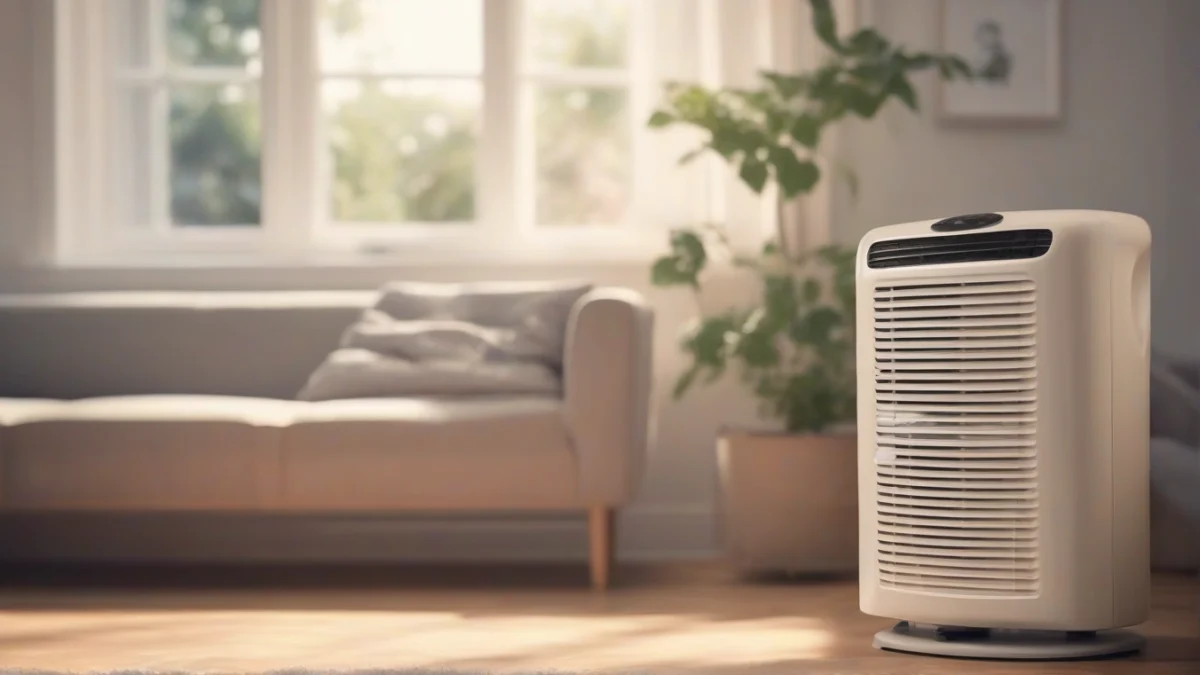
Room size still matters. A small, reasonably closed bedroom or office is a good candidate for zone heating; an open floor plan, a room with a door left open, or a severely drafty space can make the heater run constantly. Measure the room, close the door, and fix obvious drafts before deciding that a larger heater is the answer.
| Heater type | Comfort | Warm-up speed | What happens after cycling off |
|---|---|---|---|
| Convection heater | Steady air temperature once running | Moderate to fast | Heat leaves fairly quickly when the element stops; warm air rises |
| Oil-filled radiator | Gentle, steady heat with fewer sharp swings | Slowest | The oil and metal keep releasing heat after the element clicks off |
| Radiant heater | Feels warm quickly in its line of sight | Fast | Warms people and surfaces directly; air temperature may remain cooler |
Oil-filled radiators feel slower because the heating element first warms the oil and metal body. That stored heat keeps flowing after the thermostat cycles off, which can smooth comfort in a small room. Are oil-filled radiators the most energy-saving space heaters? No single type wins that claim: an oil-filled model can reduce temperature swings, while a radiant model may feel comfortable at a lower room-air temperature and a convection heater may warm enclosed air faster.
Convection heater energy saving depends on matching the output to the room and using the thermostat, not on the word “convection” on the box. For a closer comparison of models, see these energy-saving space heaters; check the wattage, thermostat, tip-over switch, overheat protection, and safety listing before you buy.
Older Homes Need Air Sealing First
Energy-saving tips for older homes should start with air sealing and attic insulation, because uncontrolled drafts can waste more heat than a mediocre thermostat setting. Warm air escaping around the attic hatch, window sash, or plumbing holes makes your heater run longer; a new control can’t fix a house that leaks like a screen door.
Ducted systems deserve extra attention in older houses. Leaky ducts or ducts running through an unconditioned attic or crawlspace can lose heat before it reaches the room, so sealing the ductwork and insulating it where the system allows may improve heating performance without replacing the furnace.
Choose The Right Control For Your System
The right thermostat can reduce run time, but compatibility matters more than a long feature list. Product 1 suits most 24V gas, electric, oil, forced-air, heat-pump, and radiant systems, and it doesn’t require a C wire in most homes; unusual wiring or a system that isn’t 24V needs a compatibility check before you buy.
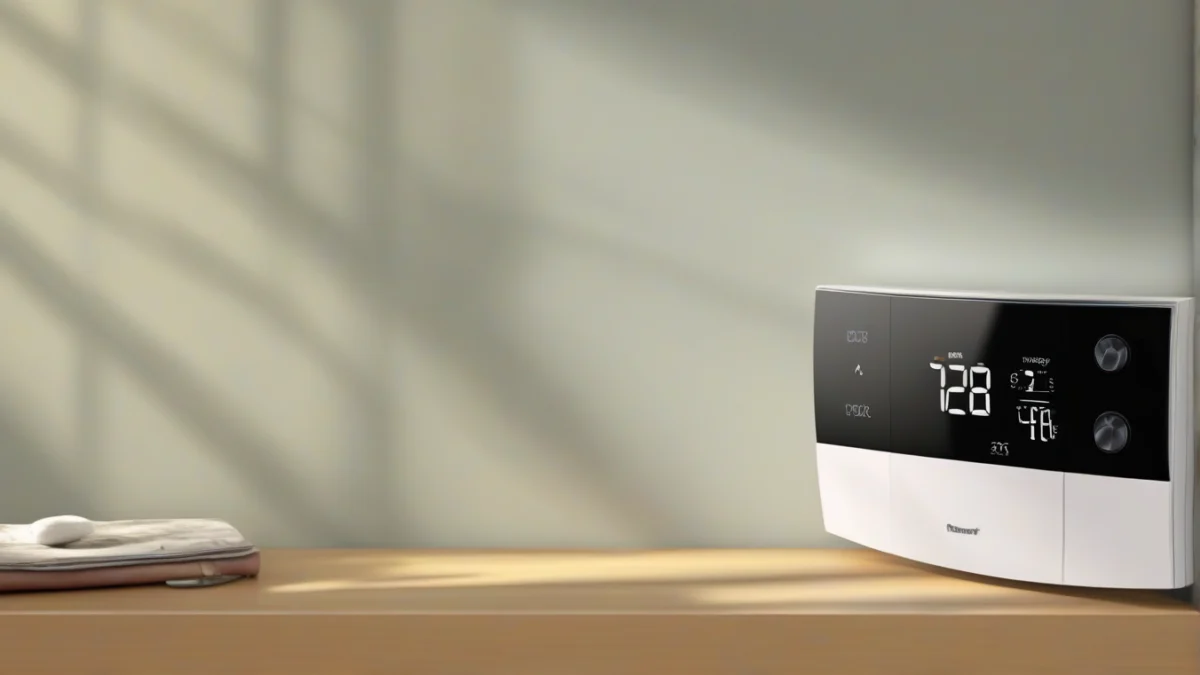
For an electric heater or electric radiant underfloor heating system, use the thermostat to lower the setpoint while the space is empty or you’re asleep, then bring it back before the room is needed. Product 1 adds remote scheduling, learning adjustments, and room sensing through the included Nest Temperature Sensor, which can help control comfort where you actually sit instead of where the wall thermostat happens to be.
The claim that smart HVAC tech cuts energy bills by 30% needs a cold-weather asterisk: product 1 is advertised to help save up to 31% on heating and cooling bills, but your result depends on the old schedule, weather, insulation, and how often the system runs. A smart control won’t cure leaking ducts or thin attic insulation; fix those first, then let the thermostat manage the remaining demand.
Put The First Savings Steps In Order
The best energy saving tips for homeowners start with measurements: check runtime and bills, adjust the schedule, seal leaks, inspect the system, then replace equipment only when the numbers support it. Those are also the best energy saving tips at home because they reduce wasted heat before adding another gadget.
Tonight, record the current thermostat setting and runtime, make the small schedule change, and put next week’s energy reading on your calendar.
Frequently Asked Questions
What is the optimal hot water temperature to maximize energy savings?
How can temperature monitoring affect energy savings?
What are the best thermostat settings for energy savings with an electric heater?
Are oil-filled radiant heaters the most energy-saving type of space heater?
Can a programmable thermostat really lower heating bills in an older home?
What are the best energy-saving tips for homeowners?

I am a mechanical engineer and love doing research on different home and outdoor heating options. When I am not working, I love spending time with my family and friends. I also enjoy blogging about my findings and helping others to find the best heating options for their needs.
Related guides
How Solar-Powered Heating Units Actually Work—and Where They Make Sense
A solar-powered heating unit turns sunlight into heat for small rooms, sheds or animal shelters. Find out how…

20 Proven Ways to Slash Heating System Energy Costs
You already know the feeling. December hits and that first gas bill makes you wince. You turn the…
Hot Water Heating Systems: Smart Energy Savings for Homes
You walk past your water heater every day. It sits in the basement or a closet, humming quietly,…
