Heating without electricity means relying on fuel-burning or passive heat sources that operate independently of the grid. Understanding how each type works and what safety steps to take helps you pick the right backup heat for your home.
You’ll learn how nonelectric heaters produce warmth, their running costs, ventilation needs, and where each fits best indoors.
Non Electric Indoor Heating Options Explained
Non electric indoor heating options include wood-burning stoves, pellet stoves, kerosene heaters, catalytic heaters, and gas inserts. These heaters produce warmth without electricity but each relies on different fuel types, heat mechanisms, and safety measures.
Nonelectric heaters indoor function by burning solid fuel or liquid fuel, or by catalytically converting fuel to heat, rather than using electric resistance or fans. Wood-burning stoves burn logs to radiate heat directly. Pellet stoves use compressed wood pellets fed by gravity or manual feed without electricity. Kerosene heaters burn liquid fuel to produce radiant and convective heat. Catalytic heaters oxidize fuel on a coated surface producing low-oxygen combustion heat. Gas inserts burn natural gas or propane from the home supply to warm rooms efficiently.
Running costs vary by fuel price and heater efficiency. Wood is often cheapest by BTU but requires storage and handling. Pellets offer convenience and predictable burn rates but cost more per pound. Kerosene runs at about 135,000 BTU per gallon, with prices fluctuating regionally. Gas inserts use home gas lines and cost depends on local rates. Catalytic heaters burn less fuel slowly but require fresh air to prevent carbon monoxide buildup.
| Heater Type | Typical Fuel | Heat Output per Unit | Estimated Fuel Cost per Million BTU |
|---|---|---|---|
| Wood-Burning Stove | Cord of Wood | 20 million BTU | Commonly found for a modest upfront cost |
| Pellet Stove | Wood Pellets | 8 million BTU per ton | Typically priced to fit a moderate budget |
| Kerosene Heater | Kerosene | 135,000 BTU per gallon | Generally available within a mid-range price bracket |
| Catalytic Heater | Propane or Kerosene | Depends on size | Cost varies, generally affordable for most budgets |
| Gas Insert | Natural Gas or Propane | Varies by model | Usually comes at a lower initial cost |
Ventilation is critical with nonelectric heaters for indoor use because burning fuel consumes oxygen and produces carbon monoxide. Wood and pellet stoves need a properly installed chimney or vent pipe. Kerosene and catalytic heaters require fresh air intake or partial window opening to avoid dangerous gas buildup. Gas inserts are vented directly through walls or chimneys. A carbon monoxide alarm is mandatory near any fuel-burning heater.
Suitability depends on room size and use. Wood and pellet stoves suit large, well-ventilated spaces or whole-home heating zones. Kerosene and catalytic heaters are portable and fit smaller rooms or emergency backup heat but run times depend on fuel capacity. Gas inserts integrate with existing fireplaces and provide steady heat for living rooms or dens.
Choosing the right nonelectric indoor heater means balancing fuel availability, room size, ventilation options, and safety requirements. Some models include cooking surfaces or thermostatic controls, but most rely on manual operation. Nonelectric heaters indoor remain essential backup heat sources during power outages or in off-grid situations, but they demand regular maintenance and careful handling.
How Wood-Burning and Pellet Stoves Heat Homes Without Electricity
Wood-burning stoves heat by burning solid wood logs inside a sealed firebox, producing radiant and convective heat without any electricity. They vent smoke through a chimney or stovepipe, which relies on natural draft to carry combustion gases outside. The same principle applies to pellet stoves, but with a twist: they use compressed wood pellets as fuel.

Pellet stoves can operate without electricity thanks to a gravity feed system that drops pellets into the burn pot. This means no electric augers or fans are needed if the design supports it, making pellet stoves a true nonelectric heating option. Without power, some pellet stoves run on this feed alone, but many have electric components for better heat distribution.
Wood stoves often feature a flat top or dedicated surface you can use for cooking or boiling water indoors during a power outage. That adds useful function beyond heating, especially when the stove is your primary heat source in winter.
Both wood-burning and pellet stoves require regular maintenance. Ashes must be removed to keep airflow clear, and the chimney or vent pipe needs sweeping at least once a year to prevent creosote buildup, which is a fire hazard. Neglecting this can cause chimney fires or poor stove performance.
Fuel supply is straightforward: for wood stoves, seasoned hardwood logs burn longer and hotter than softwood. A typical cord (128 cubic feet) of hardwood can provide heat for several days to a week, depending on your stove size and home insulation. Pellet stoves use pellets that burn efficiently and produce less ash, with hopper capacities often holding enough fuel for 24 hours or more, varying by model and burn rate.
Using Kerosene and Catalytic Heaters Safely Indoors
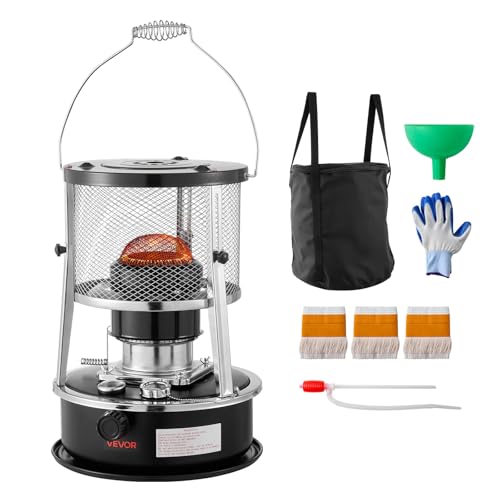
Kerosene and catalytic heaters warm indoor spaces without electricity by burning fuel to generate heat directly. A kerosene heater ignites liquid kerosene, producing radiant and convective heat, while a catalytic heater uses a platinum-coated element to ignite fuel vapors at lower temperatures, avoiding an open flame.

Fuel consumption varies: a typical 1-gallon kerosene tank runs about 8 to 12 hours, depending on the model and heat setting. Catalytic heaters usually consume fuel more slowly but still require regular refilling for continuous heat.
Ventilation is critical when using these heaters indoors. Both produce carbon monoxide (CO), a colorless, odorless gas dangerous in enclosed spaces. You must provide fresh air by opening a window or door slightly to ensure safe combustion and prevent CO buildup.
Room size and heater placement affect safety and efficiency. Kerosene heaters are best in well-ventilated rooms over 200 square feet, placed on a stable, noncombustible surface away from curtains, furniture, and foot traffic. Catalytic heaters are compact but still need clearance to prevent fire hazards.
Kerosene heaters have an advantage as portable, nonelectric emergency heat sources but demand constant vigilance due to their flame and fuel handling. Catalytic heaters offer quieter, flame-free warmth with fewer fumes but still require ventilation and CO monitoring.
Gas Inserts and Biofuel Cans as Nonelectric Heat Sources
Gas inserts use your home’s natural gas or propane supply to provide clean-burning heat without requiring electricity. They slot neatly into existing fireplaces or can be installed as standalone units, delivering steady warmth by burning gas directly in a sealed combustion chamber.
Installation of gas inserts must be done by a licensed professional to ensure proper venting and gas connections. Most models vent combustion gases through a dedicated chimney liner or a direct vent pipe to the outside, preventing carbon monoxide buildup indoors. Vent-free models exist but are restricted or banned in some areas due to safety concerns.
Biofuel cans, often called gel fuel cans, burn a clean, alcohol-based gel that emits minimal odor and smoke. These portable containers can warm a room modestly and serve as a practical indoor heating solution without electricity. Their compact size makes them handy for emergency heating or small spaces.
Both gas inserts and biofuel cans have limitations on heat output and run time. Gas inserts typically provide between 20,000 and 40,000 BTU per hour, enough to heat medium-sized rooms, but they rely on your home’s gas line. Biofuel cans produce less heat—usually around 3,000 to 5,000 BTU per hour—and run times range from 2 to 4 hours per can.
| Heater Type | Heat Output (BTU/hr) | Run Time per Fuel Unit | Portability | Installation |
|---|---|---|---|---|
| Gas Insert | 20,000–40,000 | Continuous with gas line | Fixed, not portable | Professional required |
| Biofuel Can | 3,000–5,000 | 2–4 hours per can | Portable | None |
Besides heating, biofuel cans can serve as emergency cooking sources, similar to small camp stoves. Gas inserts, depending on their design, may include a cooking surface but are primarily intended for heating.
Passive Solar and DIY Nonelectric Heating Methods
Passive solar heating uses sunlight to warm a room through south-facing windows and materials that store heat, like concrete or brick floors and walls. It requires no energy input and can reduce heating needs during sunny winter days but drops off significantly when the sun sets or on cloudy days.
DIY candle heaters are simple devices that use one or more candles placed beneath a metal container, often filled with stones or ceramic pieces that absorb and radiate heat slowly after the candles go out. Soapstone heaters work similarly but use soapstone’s excellent heat retention to release warmth gradually.
While these homemade heaters provide some supplemental heat, their output is low—typically just a few hundred watts equivalent. They are best for small spaces or as a backup heat source rather than primary heating. Safety is key: never leave candles unattended or near combustibles, and use stable, non-flammable bases.
These nonelectric methods fit best as part of a layered heating approach. Passive solar reduces daytime heating costs and load on other heaters, while candle or soapstone heaters can add quiet warmth during power outages or in small rooms.
What To Do Next: Choosing and Using Nonelectric Indoor Heat Safely
The best nonelectric indoor heater depends on your room size, fuel access, and ventilation options. Wood-burning stoves suit large, well-ventilated spaces with a steady supply of firewood. For smaller areas or portability, kerosene heaters and catalytic heaters work well but demand strict ventilation and carbon monoxide monitoring. Portable non electric heaters include kerosene models and catalytic heaters designed for indoor use with oxygen depletion sensors.
Questions People Ask
How long can different nonelectric heaters run on a typical fuel supply?
What ventilation is necessary for kerosene and catalytic heaters indoors?
Can pellet stoves truly operate without any electrical components?
Are there nonelectric heaters suitable for emergency cooking?
How does home insulation affect the performance of nonelectric heaters?
What maintenance is required for wood-burning and pellet stoves?

I am a mechanical engineer and love doing research on different home and outdoor heating options. When I am not working, I love spending time with my family and friends. I also enjoy blogging about my findings and helping others to find the best heating options for their needs.
Related guides

7 Powerful Benefits of High-Efficiency Heaters
You crank the thermostat. The furnace kicks on. You hear that familiar rumble, then a blast of dry,…
Dual Flow Heating Systems: Smart Energy Savings for Homes
Your heating bill climbs every winter, yet one room stays cold while another feels like a sauna. Maybe…
Geothermal Heating Systems: Unmatched Energy Efficiency Benefits
You just got your winter electric bill and it stings. Again. Your furnace runs constantly, the house still…