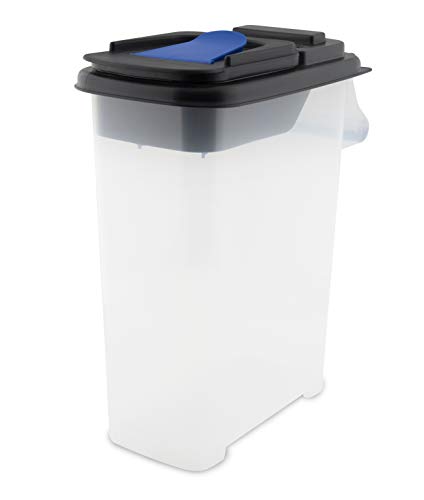
You just bought a pallet of premium hardwood pellets for your stove. You get them home, stack them in the garage, and three weeks later you open a bag to find dust and clumps instead of solid pellets. Moisture got in. Or maybe a mouse chewed through the bag. Either way, you are out twenty bucks and left wondering what you did wrong.
Pellet stoves and grills burn best when the fuel is dry and intact. Wet or broken pellets drop efficiency, leave ash clinkers, and can even cause burn pot problems. The same goes for transporting pellets from the store to your house—a shift in temperature or a cracked bag can ruin a load before it ever reaches your hopper. This article covers the real numbers and conditions that keep pellets usable, from the pantry to the trailer.
Mighty Tuff
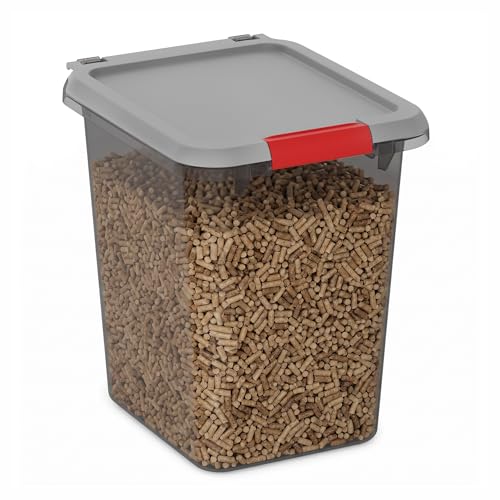
Mighty Tuff 20 lb Pellet Storage Container…
- Airtight Freshness Seal: Designed as an airtight storage container that helps keep pellets dry and protected by blocking moisture…
- Heavy Duty Construction: Durable plastic build provides long lasting use as a reliable storage container, designed to handle daily…
- Secure Locking Latch: Strong locking latch ensures a tight seal for added protection, helping prevent spills and keeping contents…
You will walk away knowing exact humidity limits, safe stacking methods, how to pick a container that actually seals, and what to do with pellets that got damp. No fluff, no vague advice.
One product that makes this whole job easier is the Mighty Tuff 20 lb Pellet Storage Container. It is a heavy-duty plastic bin with an airtight seal and a locking latch. The semi-clear design lets you see how full it is without opening the lid, which matters when you are trying to keep moisture and bugs out. A 20 lb capacity fits most stove-side hoppers for a single refill, and the latch keeps the lid from popping open in transit. Worth a look if you are tired of bags splitting in your trunk.
Why Moisture Is The #1 Pellet Killer
Wood pellets are compressed sawdust with very low moisture content—typically 4% to 8% at the factory. That is drier than most firewood. But pellets are also hygroscopic: they suck moisture out of the air. Leave a bag open in a basement that is 60% relative humidity for two days, and those pellets can absorb enough water to swell and break apart.
The hard number: pellets exposed to relative humidity over 65% for more than 24 hours will start to degrade. At 70% RH, measurable weight gain and dust formation happens within 12 hours. At 80% RH, you might see visible swelling in just six hours.
A typical garage in summer hits 70-80% RH easily. An unheated shed? Worse. So the first rule of safe pellet storage is to keep the storage environment below 60% RH. That means either a climate-controlled space or a truly sealed container.
If you are using a bin like the Mighty Tuff, the gasket does the work. But even that bin is only as good as the seal on the lid. Test it: close the lid, press down, and listen for air escaping. A hiss means it is not airtight.
Temperature matters less than humidity, but large swings can cause condensation inside a partially empty container. If you bring a cold bin from the garage into a warm house, moisture can condense on the inside walls or the pellet surface. Keep pellets at a stable temperature if possible—ideally between 40°F and 80°F.
Pest Prevention: Mice, Weevils, And Other Uninvited Guests
Rodents love pellets. The sawdust and wood smell attract mice and rats. They will chew through a woven polypropylene bag in minutes. Once inside, they contaminate the fuel with droppings and urine. Burning contaminated pellets can release unpleasant odors and create fine ash that clogs your stove.
The fix: Never store pellets in original bags unless those bags are inside a sealed, hard-sided container. A plastic tote with a locking latch is your first line of defense. The Mighty Tuff container has a latch that snaps shut firmly—no mouse is prying that open.
If you are storing bulk pellets in a large bin, consider adding a bay leaf or two inside. Some people swear by mothballs, but I would not recommend that near fuel you plan to burn. Bay leaves are natural repellents that do not leave residue.
Check your storage area regularly. Look for gnaw marks on the container edges, droppings, or shredded paper. If you find signs of rodents, move the pellets to a different location and set traps before restocking.
Transporting Pellets Without Damage
Pellets are brittle. Bumping bags around in the back of a pickup or trunk can turn perfect pellets into a pile of sawdust. A 40-pound bag dropped from two feet can lose 5-10% of its mass to dust.
Transport best practices:
- Use rigid containers for small loads. A 20 lb bin like the Mighty Tuff fits on a passenger seat or trunk without sliding around.
- If you have to transport full bags, lay them flat, not on their ends. Stack no more than three rows high. Use a non-slip mat underneath so the bags do not shift.
- Keep bags out of direct sunlight during transport. UV light weakens the plastic bag material, making it more likely to tear.
- Do not leave bags in a hot car in summer. Interior temps above 120°F can soften the pellets slightly, causing them to bond together after cooling.
For longer trips (over two hours), consider packing pellets inside a cooler or insulated tote. The stable temperature reduces condensation risk when you move them into a warm house.
Table: Storage Method Comparison
| Method | Moisture Protection | Pest Protection | Portability | Best Use Case |
|---|---|---|---|---|
| Original bag (indoors) | Poor. Bags breathe. | None. Mice chew through. | Good but easily damaged. | Short term, used within 2 weeks. |
| Plastic tote with gasket | Excellent if lid is tight. | Good if latch is secure. | Very good. Carry by handle. | Small amounts, stove-side refills. |
| 55-gallon steel drum | Excellent. Clamp ring seals well. | Excellent. Rodent-proof. | Poor. Heavy when full. | Bulk storage in garage or shed. |
| Climate-controlled room | Excellent. RH controlled. | Depends on room access. | N/A (pellets in place). | Large inventories, long-term. |
The plastic tote with gasket strikes the best balance for most people. It is light enough to move, seals well enough for normal garage humidity, and the locking latch keeps out pests. Steel drums work but are a pain to lift.
What To Do With Pellets That Got Wet
If you discover a bag that has been sitting in a puddle or the pellets feel soft, do not burn them. Wet pellets will not ignite properly, and they can produce excessive smoke and creosote buildup in your stove or flue. Worse, they can cause a flame blowback or pot overflow.
Can you salvage damp pellets? Maybe, if they are only slightly damp (no visible swelling, just a musty smell). Spread them out on a tarp in a dry, well-ventilated area for 48-72 hours. Stir them every 12 hours. If they dry back to their original hardness and sound like pebbles when shaken, they are okay. If they crumble, toss them.
Never microwave or oven-dry pellets. The heat can cause the lignin binder to melt and then re-solidify into clumps that will not feed through an auger.
For more on keeping your stove running safely with dry fuel, read the safety aspects of pellet stoves guide. It covers what happens when moisture gets into the burn pot and how to clean it out.
Frequently Asked Questions
Can I store pellets in a plastic garbage can?
Yes, but only if the lid seals tightly. Most garbage cans have a loose-fitting lid that lets in humidity and bugs. If you use one, add a bungee cord to hold the lid down and wrap the rim with weatherstripping tape to create a seal. Even then, it is not as good as a dedicated bin with a rubber gasket.
How long can I store pellets before they go bad?
In ideal conditions (airtight container, stable temperature below 80°F, RH under 60%), pellets can last 2-3 years without noticeable degradation. In a sealed bin like the Mighty Tuff, 1-2 years is realistic. In a bag in a garage, plan to use them within 3-4 months.
Should I store pellets in the house or garage?
House is better if you have the space. Indoor humidity is usually lower and more stable. Garages in humid climates swing wildly. If you must use the garage, put the bin in the driest corner, off the concrete floor on pallets or a shelf. Concrete wicks moisture up.
Do pellets absorb odors from the storage area?
Absolutely. Stored near gasoline, paint thinner, or a car exhaust? Pellets will pick up those fumes. When burned, the smell comes out in your living space. Keep pellets away from any strong chemical or fuel odor. An airtight bin prevents odor transfer, but check the gasket remains intact.
What size container do I need for a standard 40 lb bag?
A 40 lb bag of pellets takes up roughly 1.8 to 2.0 cubic feet. Most 5-gallon buckets hold about 0.7 cubic feet, so you would need three buckets. A 20 lb bin like the Mighty Tuff holds exactly half a bag, which suits stove-side refill without lifting heavy bags. If you want to store full bags, a 30-gallon rubber tote works, but make sure the lid seals.
Guidelines You Can Actually Use
- Keep storage area humidity below 60% – use a hygrometer to check.
- Use an airtight, hard-sided container with a locking latch. Soft bags are temporary.
- Transport pellets in rigid bins or lay bags flat, no more than three high.
- Never leave pellets in a hot car – condensation after cooling ruins them.
- Test your bin seal by pressing on the lid and listening for air leaks.
- If pellets get damp, dry them on a tarp for 2-3 days before using them.
- Store bins off concrete floors on shelving or pallets to avoid moisture wicking.
Understanding the three guidelines of temperature control applies broadly to any sensitive storage, pellets included. And if you are thinking about switching to a pellet stove, the converting a fireplace to a pellet stove article goes step-by-step through the process.

I am a mechanical engineer and love doing research on different home and outdoor heating options. When I am not working, I love spending time with my family and friends. I also enjoy blogging about my findings and helping others to find the best heating options for their needs.
Related guides
How to Store Pellets to Keep Them Dry & Efficient
You've invested in quality wood pellets for your stove or grill. Maybe you bought a few bags on…

Pellet Stove Efficiency: How to Maximize Heat Output
Pellet stoves offer high energy efficiency, converting over 80% of fuel into heat, making them a sustainable choice…
Top 10 Advantages of Pellet Stoves for Efficient Home Heating
Pellet stoves offer efficient heating, lower emissions, easy temperature control, and use renewable fuel, making them an eco-friendly…