How to Add a Pellet Stove Furnace Add-On for Efficient Heating
On this page 9 sections
- Pellet Stove Furnace Add-Ons and How They Work
- How to Size a Pellet Furnace Add-On for Your Home
- Safe Installation and Exhaust Considerations
- Automation Features and Maintenance for Pellet Furnace Add-Ons
- Running Costs, Fuel Price Trends, and Tax Credits
- How to Add Thermal Mass to Your Pellet Stove for Better Heat Retention
- Next Steps to Add a Pellet Stove Furnace Add-On
- Pellet Stove Furnace Add-On
- Questions People Ask
Adding a pellet stove furnace as an add-on means connecting a pellet-burning heat source to your home’s existing heating system or using it as a dedicated furnace. These units burn compressed wood pellets in a controlled combustion chamber, producing heat with high efficiency and low emissions.
Understanding how to size the unit, install ductwork, handle exhaust safely, and consider running costs helps you decide if this upgrade fits your home and budget.
Pellet Stove Furnace Add-Ons and How They Work
A pellet stove furnace add-on is a heating device that supplements your home’s existing system by burning compressed wood pellets. It uses automated pellet feeding and a controlled combustion chamber to efficiently generate heat, which can be distributed through ductwork or used as standalone warmth.
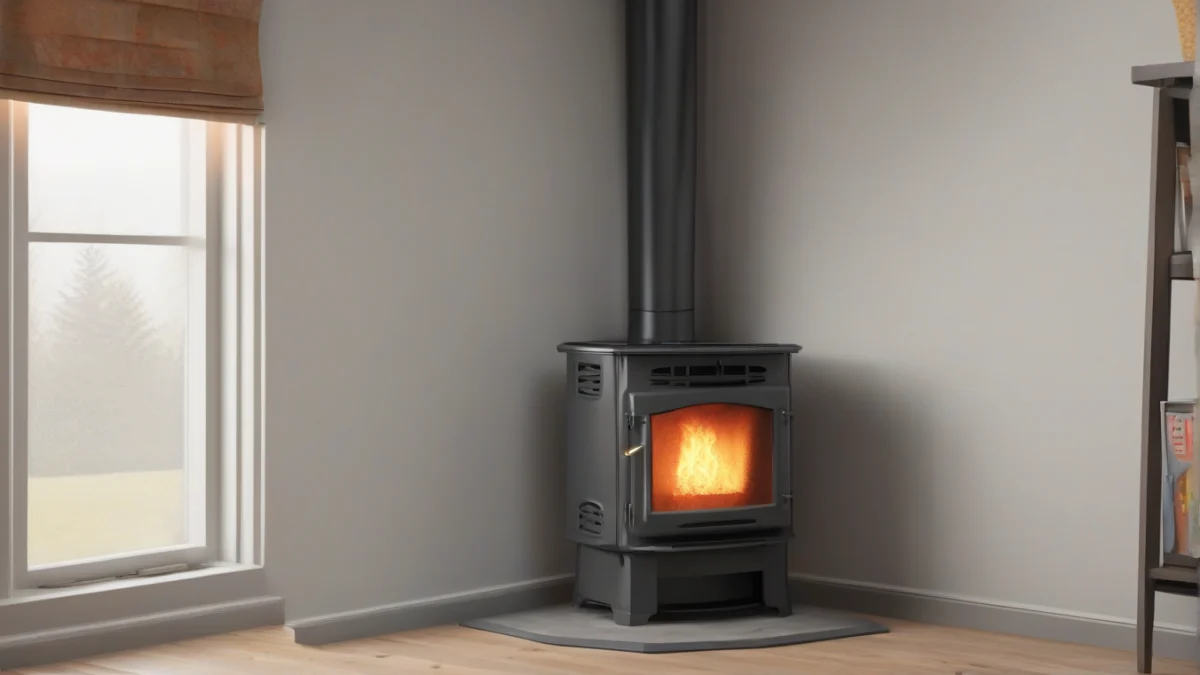
Pellet stoves work by feeding small wood pellets from a hopper into a burn pot at a controlled rate. This controlled combustion maximizes fuel efficiency and minimizes emissions, making the stove largely automatic once running. The automated pellet feed means you don’t have to manually add fuel constantly, unlike traditional wood stoves.
Typically, a pellet stove furnace add-on connects to your home’s duct system, allowing heat to circulate through existing vents. Some models operate independently, heating a single room or space without ductwork. This flexibility lets you choose a setup that fits your heating needs and home layout.
| Model | Heat Output (BTU/hr) | Integration Type |
|---|---|---|
| Harman PF100 Pellet Furnace | 100,000 | Ducted to home heating |
| Drolet ECO-65 Pellet Heater | 65,000 | Stand-alone or ducted with plenum kit |
| HeatMasterSS P Series | 80,000 to 120,000 | Outdoor furnace with duct connection |
Most pellet stove furnace add-ons fall in the range of 50,000 to 100,000 BTU per hour, enough to supplement or replace a significant portion of your home’s heating load. Larger models like the HeatMaster P Series are designed for rural homes and outdoor installation, feeding heat indoors through ductwork.
How to Size a Pellet Furnace Add-On for Your Home

Choosing the right size pellet stove furnace add-on starts with calculating your home’s heating load in BTUs. This number reflects how much heat your home loses in cold weather and how much your heater must supply to maintain comfort.

To estimate, multiply your home’s square footage by a factor between 30 and 60 BTU per square foot, depending on insulation and climate. For example, a 2,000-square-foot home in a moderate climate might need about 50 BTU/ft², equaling 100,000 BTU per hour.
Matching the furnace output to your heating load ensures efficient operation. Oversizing wastes fuel and equipment life by short cycling, while undersizing forces the unit to run constantly, possibly failing to keep your home warm enough.
Safe Installation and Exhaust Considerations
Pellet furnace add-ons can be safely ducted into existing home heating ductwork, but only with proper modifications to maintain draft and combustion safety.
Extending the exhaust pipes beyond the manufacturer’s recommendations is risky. Longer pipes reduce the draft, making ignition harder and increasing smoke and carbon monoxide buildup inside your home. Those gases can be deadly without proper venting.
Pellet stoves rely on a strong, controlled draft to vent combustion gases safely. The exhaust pipe length and diameter must match specifications to keep the draft stable. Even a few extra feet can reduce draft efficiency significantly.
Ductwork integration generally involves connecting the pellet furnace’s plenum to your home’s existing forced-air system. This directs heated air through your ducts while keeping combustion gases separate in their own exhaust pipe. The key is to prevent any exhaust gases from entering your indoor air.
 Heating System Upgrade PlannerChoose between a heat pump, a furnace, a boiler or a hybrid with your own numbers, and hire the right installer.Every system compared side by side25 questions for contractors, red flagsRunning-cost, payback and quote calculator (Excel)
Automation Features and Maintenance for Pellet Furnace Add-Ons
Most pellet furnaces have automatic pellet feeding systems using a hopper bottom attachment to continuously supply pellets to the combustion chamber.
These systems use an auger or screw feed that moves pellets from the hopper to the burn pot at a rate controlled by the stove’s thermostat or control board. This automation lets the furnace adjust fuel feed to match your home’s heat demand.
Pellet stove controls range from basic thermostats to smart digital panels with remote monitoring and scheduling. Automation improves comfort by maintaining steady temperatures and improves fuel efficiency by avoiding over-firing.
Pellet stoves are mostly automatic but require routine maintenance to perform reliably. Neglecting cleaning or hopper refilling can cause feed jams, poor combustion, and even unsafe conditions.
Regular maintenance keeps your pellet furnace efficient, reduces emissions, and extends its lifespan, making your investment safer and more cost-effective long term.
For detailed maintenance and control options, see pellet stove control options and our routine pellet stove efficiency article.
Running Costs, Fuel Price Trends, and Tax Credits
Pellet stoves can cut your heating bill, but how much depends on pellet prices, efficiency, and what you’re comparing them to. Wood pellets typically cost around $300 to $350 per ton, which contains roughly 16.5 million BTUs. That breaks down to about 1.8 to 2 cents per 10,000 BTUs.
| Fuel Type | Cost per 10,000 BTUs |
|---|---|
| Wood Pellets | 1.8 to 2 cents |
| Propane | 20 to 30 cents |
| Natural Gas | 8 to 12 cents |
Compare that to propane, which runs about 25 cents per 10,000 BTUs, or natural gas around 10 cents. Pellet stoves can save you 50% or more on fuel costs if pellet prices stay stable and your stove runs efficiently. But pellet prices fluctuate — sometimes sharply — due to supply issues or demand spikes, so those savings can vary year to year.
Federal tax credits can help offset installation costs. The Energy Efficient Home Improvement Tax Credit covers biomass stoves and pellet furnaces with a thermal efficiency of at least 75%. That means your pellet stove or furnace must convert 75% or more of its fuel energy into usable heat to qualify.
If eligible, you can claim 30% of the cost of a pellet furnace or stove installation, up to $2,000. This credit reduces your tax bill dollar-for-dollar, making pellet heating more affordable upfront.
Many pellet stoves meet or exceed the 75% thermal efficiency threshold, especially newer models designed for furnace integration. Check the manufacturer’s specifications to confirm your model qualifies before assuming the credit.
Are pellet stoves worth it? If you’re aiming for lower fuel bills and a renewable heating source, they often are — especially in rural or off-grid homes where natural gas isn’t available. The tax credit and lower running costs add up, but keep an eye on pellet prices to avoid surprises.
How to Add Thermal Mass to Your Pellet Stove for Better Heat Retention
Thermal mass stores heat from your pellet stove and releases it slowly, smoothing out temperature swings and improving comfort. Think of it as a heat battery.
You can add thermal mass by placing materials that hold heat well around or near your pellet stove. Common choices include bricks, concrete blocks, or stone slabs. These materials absorb heat when the stove runs and radiate it back into the room long after the fire goes out.
Adding thermal mass reduces how often your pellet stove cycles on and off, which can improve efficiency and lower wear on mechanical parts. It also keeps the room temperature steadier, avoiding cold spots or sudden chills.
A pellet stove furnace add on benefits from thermal mass, too. If your pellet furnace feeds heated air through ductwork, placing thermal mass elements in key rooms can help trap and slowly release the heat delivered, making your home feel warmer with less fuel burn.
Next Steps to Add a Pellet Stove Furnace Add-On
Pellet Stove Furnace Add-On
A pellet stove furnace add-on burns wood pellets and sends the resulting heat into your home, usually through a dedicated air handler or modified forced-air ductwork. It can supplement a propane, natural gas or electric furnace, but the pellet unit must be listed for ducted heating and installed with the correct return-air, supply-air and exhaust arrangement.
The add-on doesn’t simply connect to any nearby duct. A qualified HVAC or heating professional must prevent backdrafting, keep combustion air separate from house air where required, and interlock the controls so two heat sources don’t fight each other. Check the appliance listing and local code before buying an adapter or cutting into a plenum.