Maintain Pellet Stove for Maximum Heat and Save About 12 Cents an Hour
On this page 4 sections
A pellet stove delivers efficient heating when properly maintained. Regular upkeep ensures it runs safely, produces maximum heat, and lasts longer.
This guide walks you through the key maintenance tasks, the tools you need, and what safety precautions to take before you start.
How to Maintain Pellet Stove for Maximum Heat

Maintaining your pellet stove for maximum heat means regular cleaning of ash and soot, inspecting and clearing the burn pot and heat exchanger, and keeping the venting system free of blockages. Following a clear maintenance routine, testing safety sensors, and lubricating moving parts when needed will keep your stove running efficiently and safely.
Start with ash removal. Pellet stoves produce fine ash that builds up inside the firebox and around the burn pot. Ash acts as an insulator, reducing heat transfer and airflow. After the stove cools completely, use the manufacturer’s recommended ash vacuum or a metal scoop to remove ash from the burn pot and firebox. A light layer of ash—about one-eighth inch—can help maintain an even burn, but anything more restricts combustion and heat output.
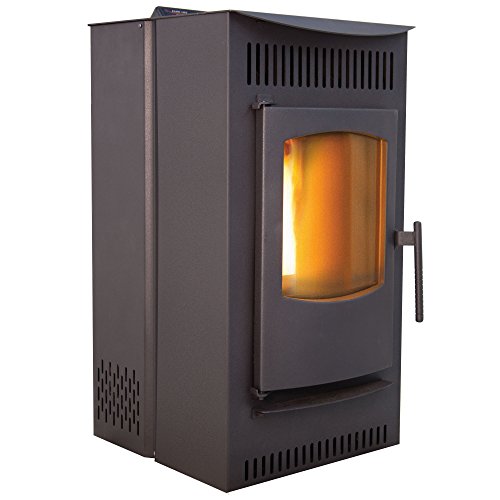
Next, clean the heat exchanger. This is the part of the stove where exhaust gases transfer heat to your room. Soot and ash coat the exchanger’s metal surfaces, cutting heat transfer by up to 30 percent if neglected. Use a metal brush or the stove’s built-in cleaning tool, if it has one, to gently scrape or brush away deposits at least once a week during heavy use.
The venting system deserves careful attention. Pellet stoves vent exhaust gases through a pipe that can accumulate creosote, ash, and even small blockages from nests or debris. Inspect the vent pipe monthly and clean it with a specialized brush sized for your vent diameter. Blocked vents reduce draft, causing smoke to back up into your home and lowering stove efficiency. Tighten all vent pipe joints to avoid leaks.
Lubricate moving parts like the auger motor and fans only when the manufacturer specifies it. Over-lubrication can attract dust and ash, damaging parts or causing jams. Most modern pellet stoves have sealed bearings that do not require oiling. Check your owner’s manual for exact instructions.
Safety sensors and controls are critical for safe operation and efficiency. Test the thermostat, flame sensor, and low-voltage safety switches before each heating season. A faulty sensor can cause the stove to shut down prematurely or fail to ignite properly, wasting pellets and leaving your space cold.
Common Mistakes That Damage Pellet Stoves or Cause Leaks
Troubleshooting a pellet stove often starts with spotting common maintenance mistakes that cause leaks or damage. Many issues come from skipping steps that seem minor but are crucial to safe, efficient operation.
One frequent error is using the wrong cleaning tools or chemicals. Abrasive brushes or harsh solvents can scratch or corrode metal parts, especially the burn pot and heat exchanger. Stick to soft brushes and manufacturer-approved cleaners to avoid degrading components that rely on a smooth surface to operate efficiently.
Skipping vent inspection is another big risk because blocked or damaged vents cause smoke leaks, backdrafts, and carbon monoxide hazards. The vent pipe and chimney must be checked regularly for creosote buildup, ash blockages, or cracks. Even a small gap in the venting system can let exhaust gases escape into your home.
Neglecting ash removal clogs the burn pot and air pathways, reducing flame quality and heat output. Ash buildup can also damage the auger motor by jamming pellet feed. Removing ash at least once a week during heavy use keeps airflow steady and parts moving freely.
Forcing parts during maintenance, like jamming the burn pot back or tightening screws too hard, often leads to broken components. Pellet stoves have delicate sensors and seals that don’t tolerate brute force. If a part resists, check the manual or a guide before forcing it. Replacement parts cost far more than a little patience.
Ignoring safety sensor checks is a shortcut that jeopardizes your stove’s safe operation. Thermostats, pressure switches, and the hopper sensor must be tested and cleaned to prevent false shutdowns or worse, overheating. Sensors often have small lenses or contacts that collect dust and ash—clean them gently with a soft cloth.
Pellet stove troubleshooting usually traces back to these avoidable mistakes. Following proper cleaning procedures and inspection schedules reduces repair costs and keeps your stove running at maximum heat output.
If you want a detailed, step-by-step guide on how to clean pellet stove components without damage, see our pellet stove cleaning guide. For broader tips on routine pellet stove maintenance, pellet stove maintenance covers essential checks and adjustments to keep your unit safe and efficient.
When to Call a Licensed Technician or Get Permits for Pellet Stove Work
Pellet stove troubleshooting and maintenance can cover a lot, but some jobs cross into professional territory. Electrical repairs, venting modifications, or anything involving gas connections require a licensed technician. These tasks pose risks like fire, carbon monoxide leaks, or electrical hazards if done wrong.
Local codes strictly regulate venting and combustion air for pellet stoves. Proper venting prevents dangerous gases from building up inside your home. Most jurisdictions require that vent installation and any major alterations be inspected and permitted. Installing a vent pipe too close to combustibles or using the wrong materials violates code and creates a fire risk.
Permits are usually mandatory for new stove installations, replacing major components like the heat exchanger, or rerouting the vent system. Even if you plan to do some routine maintenance yourself, check your local building department first. Skipping permits can lead to fines, voided insurance, or unsafe conditions.
Simple cleaning and inspecting parts like the burn pot and ash pan fit a do-it-yourself pellet stove maintenance guide. But if you spot damage during those checks—cracks in the firebox, broken sensors, or wiring issues—stop and call a pro. Those components control safe combustion and heat output.
Hiring a technician ensures compliance with safety codes and that your stove runs efficiently and cleanly. It also protects your home and family from hidden hazards that can turn a cold night dangerous.