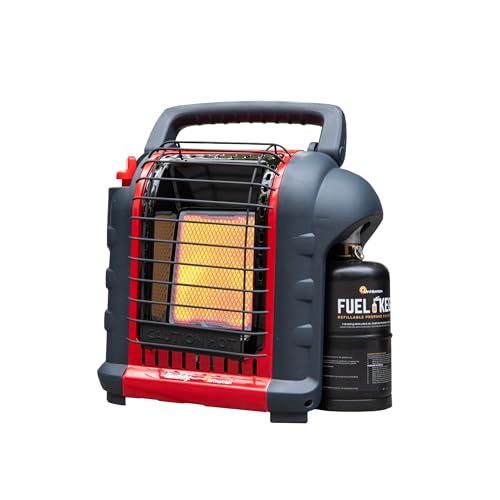
The usual mistake is buying a big unvented heater because the BTU number looks reassuring. That can waste propane fast, overheat a small cabin, and dump moisture and combustion byproducts into a tight space.
A small propane heater for a tiny home should match the room volume, the insulation, and the fuel you can get reliably when the power is out. One size too large is how people end up cracking windows all night and still feeling chilly.
Propane Heater Without Electricity
You can run a propane heater in a tiny home without electricity if the heater uses a match-lit ignition and mechanical controls that don’t need power. The simplest option is a vented propane heater that runs purely on fuel and pipes exhaust outside, making it safe for indoor use without electrical hookups.

Many propane heaters rely on electric ignition or fans, but models with match-lit ignition fit perfectly off-grid. They light with a match or lighter, control the gas flow mechanically, and work entirely without household power. The Buyplus Propane Heater 10,000 BTU is an example designed for this kind of use, with match-lit ignition and no electrical parts.
Indoor use demands an indoor-rated heater with the right clearances and ventilation. Never use outdoor, patio, torpedo, or construction heaters indoors—they are not built for safe combustion in small spaces. A vented propane heater uses a flue or vent pipe to exhaust combustion gases outside, eliminating moisture and harmful byproducts from your living space.
Vented heaters are safer and better suited for continuous heating because they keep indoor air cleaner and drier. Unvented heaters, which don’t have a flue, add moisture and combustion products like carbon dioxide to the room. They’re best for short bursts of heat or backup when you can open a window or door to ventilate.
| Heater Type | Electricity Needed | Ventilation Required | Best Use |
|---|---|---|---|
| Vented propane heater | No (match lit) | Yes, vent to outside | Continuous heat in ventilated tiny homes |
| Unvented propane heater | No (match lit) | Yes, room must be ventilated | Short bursts or backup heat with window open |
| Electric ignition or fan models | Yes | Varies | Not suitable without electricity |

What It Costs To Burn Propane
You get propane for a tiny home without electricity by buying refillable 20 lb cylinders or arranging bulk delivery to a tank on site. Delivery schedules matter because you can’t just plug in and wait for a meter to reset.
A gallon of propane contains about 91,500 BTU of energy. If your propane heater uses 10,000 BTU per hour and runs for 8 hours, that’s 80,000 BTU consumed — just under one gallon of propane burned before losses in the appliance.
While the BTU rating helps estimate fuel use, tiny homes often cost more because drafts and leaks force the heater to run more. Short cycling — turning on and off frequently — wastes fuel too, since the appliance never reaches steady efficiency.
Vented, Vent-Free, And Outdoor Models
The best propane heater without vent depends on your tiny home’s layout and local rules. Vent-free units need no exhaust pipe but are banned in some states; vented models exhaust combustion gases outside and often run without electricity.
| Type | Exhaust | Moisture Output | Electricity Needed | Best Room Fit |
|---|---|---|---|---|
| Vented indoor | Yes, outside | Low | Usually none with match-lit pilot | Permanent tiny homes with vent access |
| Vent-free indoor | No exhaust | Higher, adds moisture indoors | None | Very small, well-ventilated spaces |
| Outdoor only | Open air, none indoors | None | None | Patios or open porches |
Outdoor propane heaters must stay outside. They don’t provide safe or effective heat indoors and aren’t a workaround for off-grid tiny homes.
Vented propane heaters that run without electricity usually have a match-lit pilot and mechanical controls. They vent fumes safely and reduce indoor moisture buildup, making them the best choice for permanent tiny homes.
Choosing the right heater type upfront avoids safety risks and helps you manage fuel use and comfort better. If you want a portable indoor-rated propane heater, check out for the best small propane heater for options suited to tiny homes.
How Much Heat A Tiny Home Actually Needs
Sizing a propane heater without electricity for a tiny home is about more than just the floor area—it matters how well your home holds heat. Insulation and air leaks can change the heat needed drastically: a drafty 200 sq ft space may require more propane heat than a snug, 400 sq ft one.
Oversizing leads to cycling where the heater turns on and off frequently, creating hot spots near it and cooler areas elsewhere. In unvented setups, this cycling increases indoor moisture, risking mold or condensation problems.
If you want a safe and efficient solution, pick a heater sized for your specific conditions, not just the biggest BTU rating. For detailed product choices that fit these needs, check the best small propane heater buying guide.
Safety Rules That Matter Indoors
Using a propane heater without electricity indoors calls for strict attention to carbon monoxide (CO) risk. Indoor-rated propane heaters must have proper ventilation and a working CO alarm to keep the air safe.
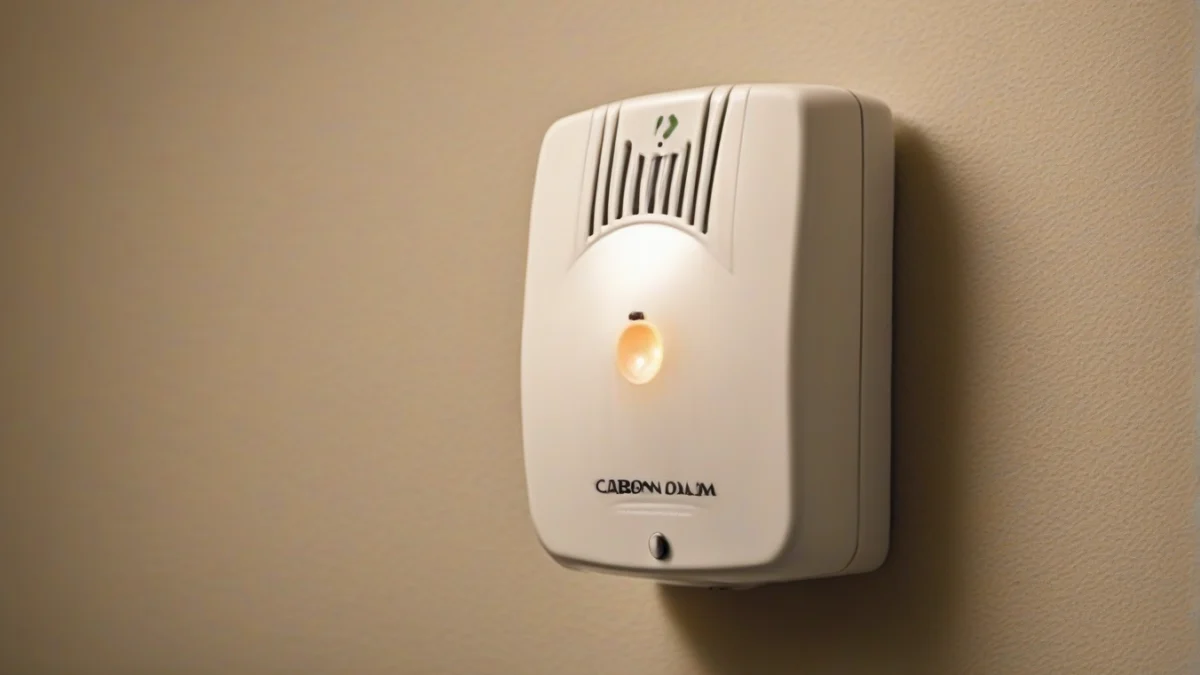
Many indoor propane heaters include an oxygen depletion sensor (ODS). This device shuts off the heater if oxygen levels drop dangerously low. However, an ODS is a backup, not a substitute for ventilation through vents or windows.
Never run a propane heater while sleeping unless the manufacturer explicitly states it is safe to do so. Continuous operation without supervision raises CO and fire risks.
To get propane for a home without electricity, buy refillable 20 lb cylinders from a local supplier or arrange delivery for a bulk tank if your setup supports it. Store and handle propane safely according to local codes.
Before You Buy Or Light One
A propane heater without electricity must use manual ignition and mechanical controls to run safely off-grid. Check that the model you pick is designed for this before you buy.
To get propane in a home without electricity, use refillable 20 lb cylinders or arrange delivery to a tank that doesn’t rely on powered pumps or controls. Have a secure, ventilated storage spot outside.
Frequently Asked Questions
Can a propane heater run without electricity in a tiny home?
What is the best propane heater without a vent?
How do you get propane for a home when the power is out?
Is a vented propane heater safer for a tiny home?

I am a mechanical engineer and love doing research on different home and outdoor heating options. When I am not working, I love spending time with my family and friends. I also enjoy blogging about my findings and helping others to find the best heating options for their needs.
Related guides

How to Choose the Right Size Gas Stove for Your Kitchen
Choosing a new gas stove feels exciting. You're picturing simmering sauces and perfectly seared steaks. But before you…

Gas Fireplace Installation Costs: What to Expect in 2026
The installation costs of gas fireplaces typically range from $2,000 to $5,000, depending on factors like location, type,…
Gas vs Electric Fireplaces: Key Differences Explained
You are standing in a home improvement store staring at two rows of fireplaces. On the left, a…