A pool chiller cools your pool water by pulling heat out and rejecting it into the air, much like a home air conditioner does for your house. This keeps the pool comfortable during hot days or heat waves.
Knowing how a pool chiller works and what it costs to run can help you decide if it’s the right choice for your swimming pool or spa this summer.
What Is a Pool Chiller and How Does It Work
A pool chiller is a refrigeration unit that removes heat from circulating pool water, and a chiller for a pool works much like an air conditioner in reverse. The pump sends warm water through a heat exchanger, where refrigerant absorbs its heat before the cooled water returns to the pool.
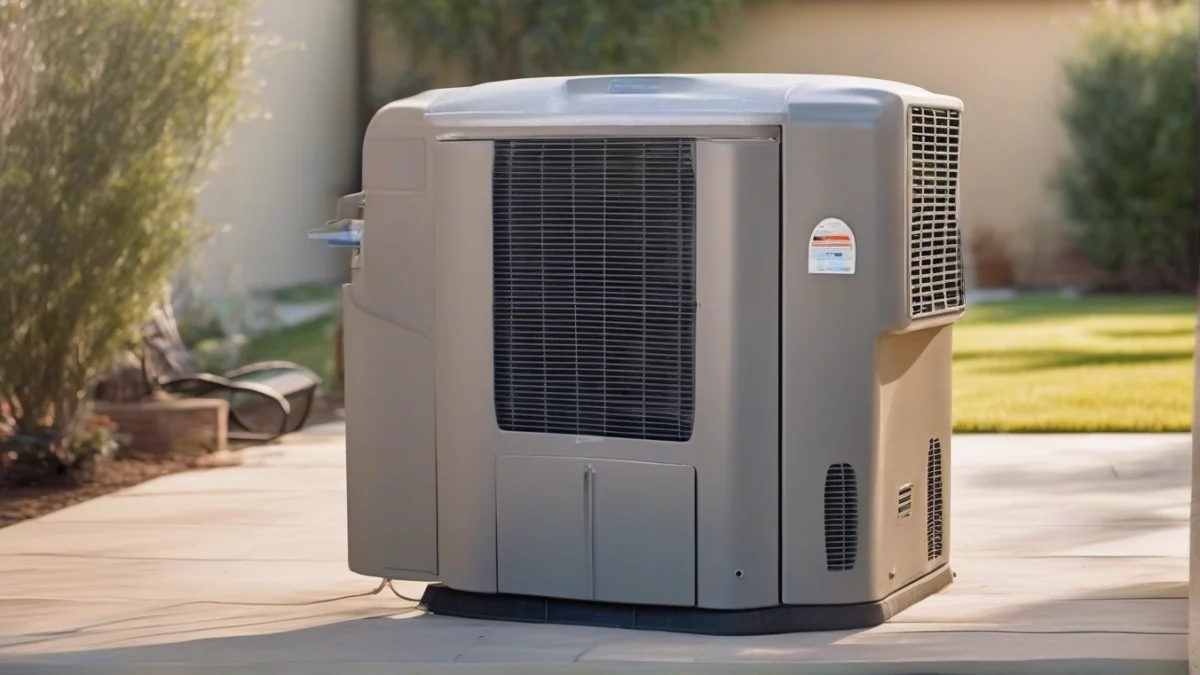
The cooling cycle starts when warm pool water enters the chiller’s water-side heat exchanger. Refrigerant on the other side of that exchanger picks up the water’s heat as it evaporates; a compressor then raises the refrigerant’s pressure and temperature, and a fan blows air across the condenser to reject that heat outdoors.
After releasing heat, the refrigerant passes through an expansion device, which drops its pressure and temperature so it can absorb heat again. The pool water and refrigerant stay in separate circuits, so the refrigerant doesn’t mix with your water.
How Water Moves Through the Unit
Your pool’s circulation pump pulls water from the skimmer and main drain, pushes it through the filter, and sends it through the chiller before the return jets send it back. Plumbing valves let you bypass the chiller when cooling isn’t needed, while the control panel starts or stops the refrigeration system according to the set temperature.
A chiller needs adequate water flow because the heat exchanger can’t transfer much heat from a weak stream. A dirty filter, closed valve or undersized circulation pump can reduce cooling and trigger a flow-protection shutdown.
Capacity And Electrical Demand
Pool chillers are commonly rated by cooling capacity in BTU per hour or tons, while their electrical demand appears on the nameplate in watts or kilowatts. Residential units often fall in the tens of thousands of BTU per hour and use electrical power in the low single-digit-kilowatt range, but the exact rating varies widely with pool size, outdoor temperature and the model.
Cooling capacity also changes with conditions. Strong sun, warm return water, a loose pool cover and high outdoor temperatures give the unit more heat to remove, so cooling takes longer and the compressor runs more often.
How Much Does It Cost to Run a Pool Chiller Compared to a Pool Heater
How much it costs to operate a pool chiller compared to a pool heater depends on the unit’s input, run time and energy price; an electric pool chiller may cost less than an electric resistance heater for the same heat movement, while a gas heater uses a different fuel calculation. A pool heater and chiller combo can share controls and plumbing, but each side still has its own energy demand.
Read the chiller’s nameplate for running watts, then use watts ÷ 1,000 × hours × your electricity rate. For example, a 3,000-watt chiller running 8 hours at $0.17 per kWh uses 3 ÷ 1,000? No—convert 3,000 watts to 3 kW first, then calculate 3 × 8 × $0.17 for one day and multiply that daily use by the number of operating days.
| Heater | Watts | Per hour | Per day (8 h) | Per month (30 days) |
|---|---|---|---|---|
| Example electric pool chiller | 3,000 W | 51¢ | $4.08 | $122.40 |
| Example electric resistance pool heater | 5,000 W | 85¢ | $6.80 | $204.00 |
The 5,000-watt heater in that example draws more electricity whenever both units run continuously. A heat-pump pool heater can use less electricity than resistance heating because it moves heat instead of making all of it directly, but its output and runtime change with air temperature. A gas pool heater is priced by fuel burned: multiply its burn rate by hours and the price per gallon or therm of fuel.
What Changes the Monthly Cost
A larger pool costs more to cool because it contains more water and gains more heat from the sun. Climate matters too: a shaded pool in a dry, mild area may need short cooling cycles, while a sunny pool in hot, humid weather can run the chiller for much longer.
A pool cover can reduce heat entering the water when the pool is unused, although an uncovered surface also loses heat through evaporation. Compare actual duty cycle rather than assuming eight hours every day; the compressor may run only part of that period after the water reaches its set temperature.
Do You Need a Heater Pump Alongside a Pool Chiller
You don’t usually need a separate heater pump to install a pool chiller; you need a properly sized circulation pump that moves pool water through the chiller and back to the pool. In most setups, the existing pool pump can do that job if its flow rate, plumbing size and operating pressure match the chiller’s requirements.
The pump pulls water from the pool, sends it through the filter and chiller, then returns cooler water through the pool’s outlets. A chiller can’t cool standing water, so weak circulation can leave temperature uneven and make the unit shut down on a flow fault. Check the chiller manual for its minimum and maximum flow before changing pump settings.
Installing a water chiller on a pool that already has a heat pump is possible, but the two units need compatible plumbing and controls. A pool heat pump adds heat; a chiller removes it. Installers commonly use isolation valves, a bypass and controls that keep the units from fighting each other, especially if the system includes an automatic temperature controller.
Pump efficiency affects the total cost because the pump also consumes electricity while the chiller runs. Running a high-speed pump when the chiller only needs moderate flow wastes power, while running below the chiller’s required flow can reduce cooling or trigger a safety shutdown. Follow the equipment makers’ flow limits rather than choosing a pump by horsepower alone.
If your existing circulation system meets those requirements, adding a second pump may add cost and noise without improving cooling. A separate pump makes more sense when the current pump can’t provide the required flow, the plumbing layout needs an independent loop or the manufacturer specifically calls for one.
Which Pools Benefit Most from a Pool Chiller
Pool chillers for swimming pools make the most sense in hot locations where sunlight, warm air and continuous use push the water above a comfortable temperature. The best chiller for your pool depends on its water volume, heat gain, desired temperature and available circulation flow—not simply on whether the pool is large or small.
Pools in hot climates benefit most when they overheat for days at a time, especially if shade is limited or the pool receives strong afternoon sun. A cover can reduce heat gain and evaporation, but it won’t remove heat from water that’s already too warm. Chilling becomes easier to justify when swimming comfort matters through the hottest part of the season.
Inground pools are often better candidates for a permanent chiller because they usually have room for equipment beside the filter system and a fixed plumbing loop. Above-ground pools can use chillers too, but the unit must match the smaller pump, flexible-hose connections and limited equipment space. Avoid selecting by advertised pool-size claims alone; compare the actual flow and cooling capacity in the product documentation.
A pool with an attached spa has a different decision to make. The spa may need heating while the pool needs cooling, so separate zones, valves and controls matter. A heat-and-chiller combination can suit that layout when you want one coordinated system instead of separate equipment; pool heater chiller combo units are worth comparing if the spa runs often.
Pools that rarely become uncomfortable, sit in deep shade or operate only during mild weather usually gain little from a dedicated chiller. Before buying, track the water temperature during the hottest swimming hours and check how much shade, a cover or changed pump scheduling can provide. Those fixes may reduce heat gain, but they can’t replace a chiller when the pool repeatedly stays too warm.
Pool Heater and Chiller Combo Units: When to Choose Them
A pool heater chiller combo makes sense when you want one system to manage water temperature through hot summers and cool shoulder seasons. The best pool heater chiller combo depends on your pool volume, climate, desired swimming season and available electrical service.
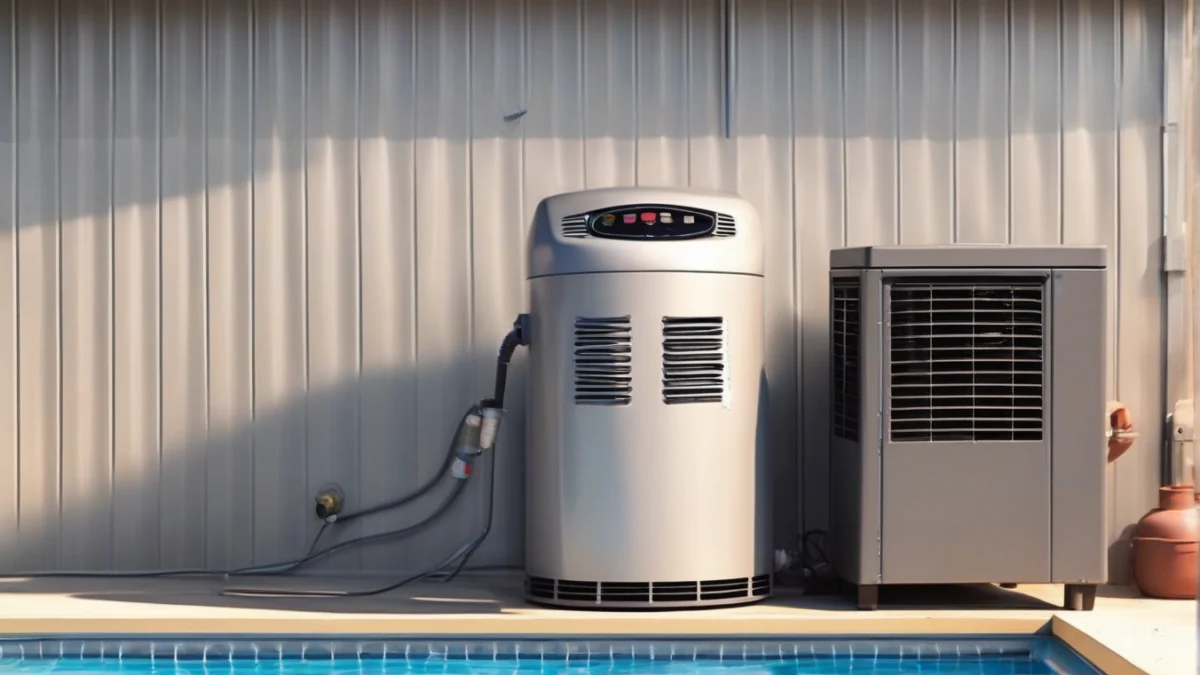
Most combo heat-pump units switch modes with controls that reverse the refrigeration cycle: one setting moves heat into the pool, while the other removes heat from it. The circulation pump keeps running in both modes, and the control panel or automation system selects heating or cooling based on the temperature you set.
Electric Combo Efficiency
An electric pool heater chiller combo usually uses a heat pump rather than electric resistance elements, so it moves heat instead of creating all of it directly. Heating efficiency drops as outdoor air gets colder, while cooling performance can suffer during very hot weather or with poor airflow around the unit.
A pool cover can reduce the heating and cooling load by limiting evaporation, which is often the largest source of heat loss from an uncovered pool. Set the equipment to run only when the water needs correcting, and compare its input rating with your local electricity rate before choosing a larger model.
Sizing And Cost Factors
Choose a combo unit by pool volume, surface area, climate and the temperature change you expect, then confirm that the unit’s required water flow matches your circulation system. A model that is too small may run for long periods without catching up; an oversized unit costs more and may require electrical or plumbing changes.
Purchase cost is only one part of the decision. Check the unit’s electrical requirements, plumbing connections, installation space, refrigerant service needs and expected operating schedule. A combo unit can simplify equipment planning, but a separate heater and chiller may suit you better if you need high heat output in cold weather or cooling only during a short hot season.
What to Do Next: Installing and Maintaining Your Pool Chiller
An inground pool heater and chiller combo should be sized and installed around your pool’s water volume, surface area, climate and circulation flow; a chiller and heater for inground pool use also needs the correct electrical supply and a serviceable equipment pad.
Check The Pool And Climate
Write down the pool’s length, width, average depth and surface area, then note your usual summer air temperature, direct sun exposure and the water temperature you want. Ask the installer to account for evaporation, the pool cover, plumbing flow and the heating or cooling speed you expect rather than choosing by pool size alone.
Use A Qualified Installer
Have a licensed pool professional or appropriately licensed electrician handle the installation, especially where the job involves new electrical circuits, bonding, disconnects or refrigerant connections. The unit needs level support, clear airflow, correctly sized plumbing, service access and protection from flooding; follow the manufacturer’s clearances instead of squeezing it beside the pump.
Keep The Chiller Working
Clean the filter on its normal schedule, keep leaves and grass away from the air coil, and inspect the plumbing unions for drips. Maintain the pool chemistry within the equipment manual’s limits, since incorrect chemistry can damage heat exchangers and seals; arrange professional refrigerant or electrical service when alarms, icing, unusual noise or repeated shutdowns appear.
Questions People Ask
What is a pool chiller and how does it cool water?
Can a pool chiller be used with a heat pump?
How much electricity does a pool chiller typically use?
Is a pool chiller necessary for all pools?
What maintenance does a pool chiller require?
Are pool heater and chiller combo units efficient?

I am a mechanical engineer and love doing research on different home and outdoor heating options. When I am not working, I love spending time with my family and friends. I also enjoy blogging about my findings and helping others to find the best heating options for their needs.
Related guides

Why Oil Heat Is Too Expensive for My Home and What to Do
Oil heat often costs more due to fuel prices and system needs. Learn why and how to cut…

7 Powerful Benefits of High-Efficiency Heaters
You crank the thermostat. The furnace kicks on. You hear that familiar rumble, then a blast of dry,…
Most Efficient Energy Sources for Home Heating: A Practical Comparison
Compare the most efficient home heating sources by cost, climate, and setup so you can pick the right…