

Heat pumps are popular but come with quirks that can leave you cold or running up the electric bill. Plumbers often spot three main problems that cause most breakdowns and discomfort.
Knowing these issues and how to quickly check them saves money and hassle when winter hits. This article guides you through fast troubleshooting and when to call a pro.
Plumber Names 3 Big Problems With Heat Pumps – ‘I Like Them But’
The three biggest heat pump problems plumbers see are a failing capacitor, a stuck reversing valve, and frozen coils. Each disrupts the system differently but shows clear symptoms you can check before calling for repairs.
A failing capacitor often causes the unit to hum loudly without starting the fan or compressor. The reversing valve, which switches the unit between heating and cooling, can stick and leave you with heat or cold only. Frozen coils usually point to airflow restrictions or low refrigerant and reduce heating efficiency drastically.
To confirm a capacitor issue, listen for humming without fan movement and look for a swollen or leaking capacitor in the outdoor unit. For the reversing valve, check if the unit runs but only blows cold air during the heating season or vice versa. Frozen coils show visible ice buildup and poor heating output.
- Check the circuit breaker and thermostat settings first.
- Inspect air filters and clear debris from outdoor unit.
- Listen for unusual sounds like humming or clicking.
- Look for visible ice on coils during cold weather.
- Note if the heat pump switches between modes or stays stuck.
Fixing a capacitor usually means replacement; it’s a $50 to $150 part plus labor. A stuck reversing valve often requires a professional service to reset or replace it safely. Frozen coils need airflow cleared by cleaning filters or condensate lines, or refrigerant levels checked by a certified technician.
These problems aren’t signs to ditch your heat pump but reasons to stay on top of maintenance and inspections. Understanding each issue’s symptoms helps you decide what you can handle and when to call a pro.
Check the Capacitor Before Buying Parts
A failing capacitor typically causes your heat pump to hum loudly without the fan or compressor starting. This is often the first sign that capacitor replacement is needed.
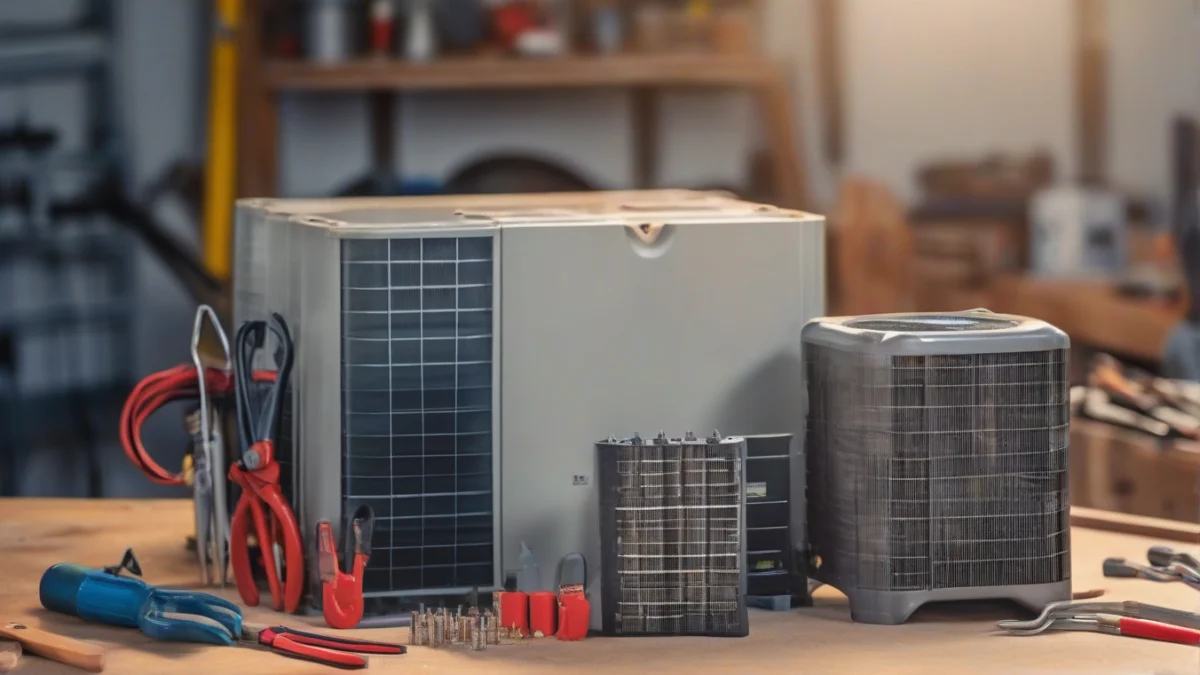
You can confirm capacitor failure with a multimeter set to measure capacitance, but if you’re not comfortable working with electrical parts, a professional diagnosis is safer. Capacitors store electrical energy and can shock you even when the unit is off.
Capacitors cost between $20 and $60. Replacing one yourself saves labor but requires caution. Plumbers and HVAC techs often fix heat pumps but may not work on gas heaters, which need specialized skills and permits.
Identify and Fix Reversing Valve Problems Yourself
The reversing valve directs refrigerant flow to switch your heat pump between heating and cooling modes. If it sticks, your unit may blow only cold or only warm air regardless of thermostat settings.
A stuck reversing valve can cause the heat pump to run constantly if it can’t switch modes properly, but constant running in very cold weather alone isn’t always a fault—it can be normal as the system works harder to maintain temperature.
Listen closely during a mode change command from your thermostat for a faint ‘click’ or ‘thunk’ near the outdoor unit. This sound signals the valve shifting position. Absence of this may indicate a stuck valve.
To test the valve yourself, switch your thermostat from heating to cooling or vice versa, then power cycle the heat pump by turning off its breaker for 30 seconds before turning it back on. If the valve remains stuck, the mode won’t change.
If resetting does not restore switching, the reversing valve likely needs professional service. HVAC technicians can replace or repair the valve assembly safely, as it involves refrigerant handling and specialized tools.
Prevent and Remedy Frozen Coils on Your Heat Pump
Frozen coils often result from dirty air filters, blocked airflow, or low refrigerant levels, all of which reduce heat pump efficiency and cause ice buildup.
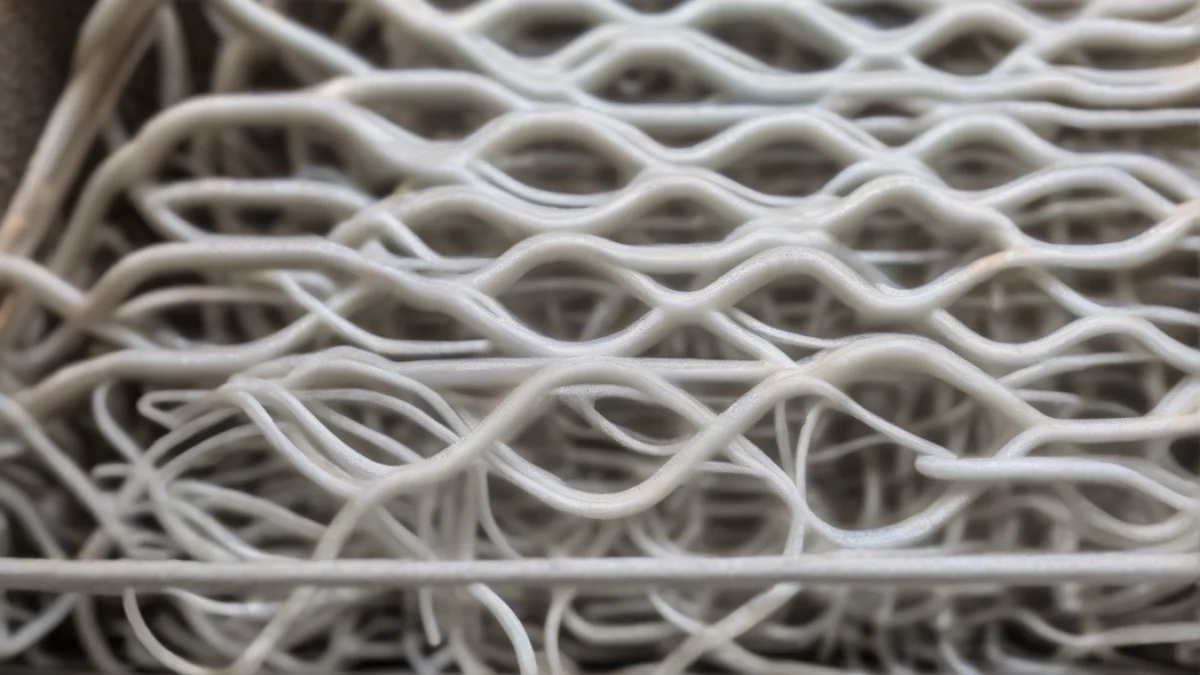
Regularly inspect and clean your air filters every 1 to 3 months during the heating season to ensure unrestricted airflow. Also, check and clear the condensate drain line to prevent water backup that can freeze on coils.
Signs of a refrigerant leak include reduced heating performance, ice forming even on milder days, and hissing noises near the outdoor unit. Such leaks require certified HVAC technicians to diagnose and repair safely.
Maintenance steps to prevent frozen coils include keeping filters clean, ensuring vents and registers are open and unobstructed, and scheduling annual professional inspections to check refrigerant levels and system condition.
If ice buildup persists after cleaning and airflow checks, or if you suspect low refrigerant, contact a licensed technician. Refrigerant repair involves sealed system access and environmental regulations.
Frozen coils reduce heat pump efficiency significantly and can damage the compressor if unchecked, so timely action matters.
Preventing frozen coils also extends the life of your heat pump and keeps your heating bills lower by maintaining efficient operation.
For detailed air filter and condensate line care tips, see our guide to heat pump troubleshooting.
When to Call a Licensed Technician and When Replacement Beats Repair
DIY troubleshooting suits simple checks like capacitor humming or air filter cleaning, but certified HVAC technicians must handle refrigerant leaks, electrical upgrades, and reversing valve replacements. These jobs require specialized tools and knowledge to meet safety codes.
Heat pumps demand more space than boilers—about 3 to 5 feet clearance around the outdoor unit—and many homes need plumbing or electrical upgrades to support them. Older houses might require new breakers or upgraded wiring to handle the 15 amp draw of a typical 1,500 watt heat pump.
Repair costs for aging heat pumps can quickly approach or exceed half the price of a new unit, especially if the compressor or reversing valve fails. A new heat pump offers improved efficiency and reliability, often lowering long-term energy bills compared to a patched system.
Not every home suits a heat pump. Tight, well-insulated spaces with enough outdoor room work best. Small flats or homes with limited exterior access may find installation difficult or require costly modifications. Planning for adequate airflow and plumbing longevity is crucial to avoid recurring issues.
A licensed professional ensures installations comply with local codes, including proper venting, electrical connections, and condensate line drainage. Incorrect setup risks system failure and safety hazards, including electrical fires or refrigerant exposure.
If you spot frozen coils after filter checks, suspect refrigerant leaks, or the unit won’t switch modes despite capacitor replacement, stop DIY fixes and call a pro. Heat pump troubleshooting beyond basic parts swapping often needs specialized diagnostics and EPA certification for refrigerant handling.
Balancing repair versus replacement depends on your heat pump’s age, repair history, and expected energy savings. For units older than 10 years with frequent breakdowns, replacement usually makes more sense. New models integrate auxiliary heat better and maintain stable heating in colder weather.
Before calling a technician, measure your space and review your home’s electrical panel and plumbing setup to anticipate upgrades. Knowing these details helps professionals provide accurate quotes and avoids surprises during installation or repair.
For more on troubleshooting common heat pump problems yourself, see Heat Pump Troubleshooting: Fix Common HVAC Issues Fast.
Questions People Ask
What are the three big problems plumbers see with heat pumps?
How can I tell if my heat pump capacitor is failing?
Why does my heat pump keep running constantly in cold weather?
When should I call a professional for heat pump repairs?

I am a mechanical engineer and love doing research on different home and outdoor heating options. When I am not working, I love spending time with my family and friends. I also enjoy blogging about my findings and helping others to find the best heating options for their needs.
Related guides

Top 7 Benefits of Heat Pumps in HVAC Systems
Integrating heat pumps in HVAC systems enhances energy efficiency, reduces operational costs, and provides versatile heating and cooling…
How Climate Impacts Heat Pump HVAC Performance
The performance of heat pump HVAC systems is significantly influenced by climate, as efficiency decreases in extreme temperatures…
How the Defrost Cycle Keeps Your Heat Pump Running Efficiently
The defrost cycle in a heat pump HVAC system temporarily reverses the refrigerant flow to melt ice buildup…
