The performance of heat pump HVAC systems is significantly influenced by climate, as efficiency decreases in extreme temperatures and varies with humidity levels.
Heat pumps are revolutionizing home heating and cooling with their energy-efficient technology. But their performance varies dramatically based on climate conditions. Understanding these relationships helps homeowners maximize efficiency and savings.

ACiQ
ACiQ 3 Ton 13.4 SEER2 Packaged Heat…
- CERTIFIED ACiQ SELLERS: Everything you need for reliable HVAC solutions!
- HEATING & COOLING: This Packaged Heat Pump Unit combines efficient air conditioning and dependable heating in a single system, ide…
- ENERGY EFFICIENT: 13.4 SEER2 rating and R32 refrigerant provide efficient heating and cooling while helping reduce energy consumpt…
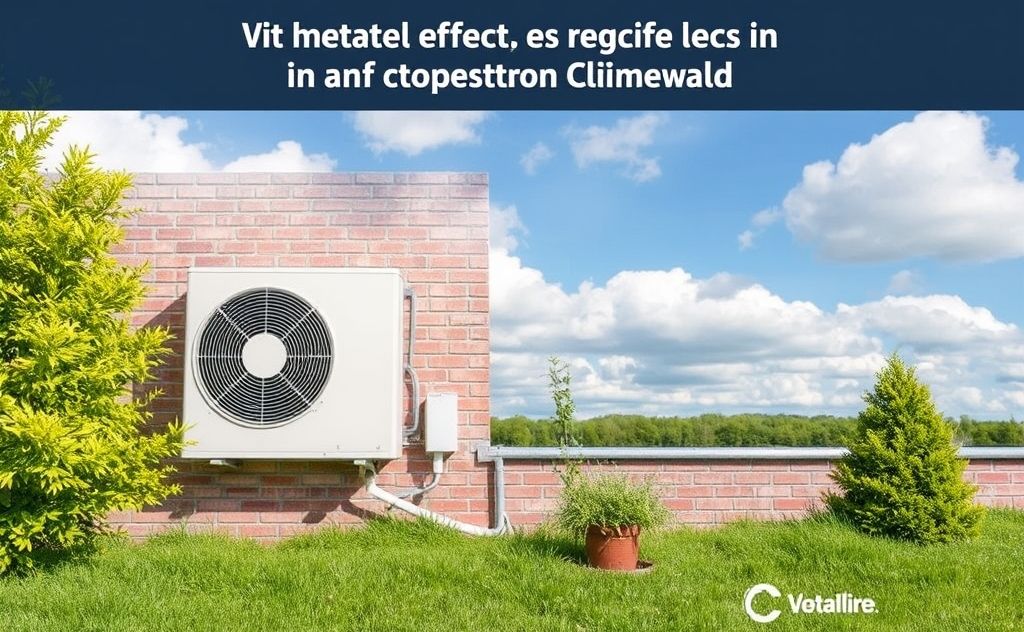
Heat Pump Basics: How They Work
Heat pumps transfer heat rather than generate it, making them fundamentally different from traditional HVAC systems. They work like refrigerators in reverse:
- In heating mode: Extract heat from outdoor air (even in cold weather) and transfer it indoors
- In cooling mode: Remove heat from indoor air and release it outside
This process uses refrigerant cycles and compressors to move thermal energy. The most efficient models can provide 3-4 units of heat for every unit of electricity consumed.
Climate’s Dramatic Impact on Performance
Temperature Extremes Challenge Efficiency
Heat pumps become less efficient as outdoor temperatures drop:
| Outdoor Temp (°F) | Heating Efficiency |
|---|---|
| 47 | 100% of rated capacity |
| 17 | 75% of rated capacity |
| -5 | 50% of rated capacity |
According to Department of Energy research, modern cold-climate heat pumps maintain functionality down to -15°F, but supplemental heating may be needed in extreme cold.
Humidity Effects
High humidity impacts performance in two ways:
- Reduces heat transfer efficiency in cooling mode
- Increases defrost cycles in heating mode (for air-source models)
Regional Performance Variations
Cold Climate Solutions
For zones 5-7 (northern states):
- Ground-source (geothermal) heat pumps maintain steady efficiency year-round
- Cold-climate air-source models with variable-speed compressors
- Hybrid systems pairing heat pumps with gas furnaces for extreme cold
Hot-Humid Climate Solutions
For southern coastal regions:
- Enhanced dehumidification features
- Oversized coils for better moisture removal
- Two-stage compressors for partial-load efficiency
Technology Advancements Overcoming Climate Limits
Inverter-Driven Systems
Variable-speed compressors adjust output precisely to demand, maintaining efficiency across wider temperature ranges.
Enhanced Refrigerants
New formulations like R-32 maintain better heat transfer properties in extreme temperatures.
Smart Defrost Systems
Only activate when truly needed, reducing energy waste in humid climates.
Installation Factors That Magnify Climate Effects
A NIST study found common installation errors worsen climate-related performance issues:
- Duct leakage reduces capacity by 15-25%
- Incorrect refrigerant charge cuts efficiency by 10-20%
- Undersized ducts increase energy use by 8-12%
Optimizing Heat Pump Performance in Your Climate
For Cold Regions
- Select models specifically rated for cold climates
- Ensure proper sizing – oversized units short-cycle in mild weather
- Consider geothermal systems for consistent performance
For Hot-Humid Regions
- Look for high SEER and HSPF ratings
- Choose models with enhanced dehumidification
- Ensure proper airflow (400-450 CFM per ton)
Proper installation by qualified technicians remains critical regardless of climate. Regular maintenance like coil cleaning and refrigerant checks preserves performance in challenging conditions.
Related pick: Check today's price on Amazon

I am a mechanical engineer and love doing research on different home and outdoor heating options. When I am not working, I love spending time with my family and friends. I also enjoy blogging about my findings and helping others to find the best heating options for their needs.
Related guides

Upgrade Your HVAC System With Advanced Heat Pumps
Upgrade your HVAC system with advanced heat pumps for improved energy efficiency, enhanced comfort, and reduced environmental impact…
How Variable Speed Heat Pumps Revolutionize HVAC Efficiency
Variable speed technology in heat pump HVAC systems enhances efficiency, reduces energy costs, and improves comfort by adjusting…
Zoning With Heat Pump HVAC: Boost Comfort & Slash Bills
Zoning with a heat pump HVAC system enhances energy efficiency, improves comfort by allowing temperature control in different…