How Ryog Space Heaters Work and Compare to Other Models
On this page 10 sections
- Ryog Space Heaters and How They Work
- Where the Heat Actually Goes in Different Space Heaters
- Safety Features of Ryog and Other Space Heaters
- Running Costs of a Ryog Space Heater
- Space Heater Lifespan and Maintenance Needs
- Space Heaters for Different Rooms and Users
- Checklist Before Buying or Using a Space Heater
- Best Small Space Heaters
- How Garage Space Heaters Work
- Frequently Asked Questions
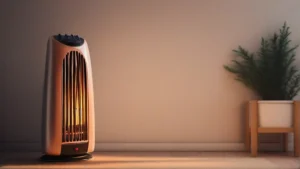
Space heaters come in many types, each with different heating methods and safety features. Ryog specializes in infrared heaters that focus on direct warmth rather than heating all the air in a room. Understanding how Ryog heaters work and how they compare to other space heaters helps you pick the right one for your space and budget.
Ryog Space Heaters and How They Work
A Ryog space heater uses infrared technology to warm objects and people directly, not the air. This makes it efficient for spot heating, delivering warmth quickly and quietly where you need it most.
Infrared heating works by emitting electromagnetic waves that heat surfaces in a room, like furniture and skin, rather than relying on heated air circulation. That means you feel warmth immediately without waiting for the air to warm up.
Ryog heaters typically operate at wattages up to 1500 W, the maximum safe load for a standard 120 V outlet circuit. This wattage balances strong heat output with manageable energy use, roughly 1.5 kWh per hour at full power. At an average residential electricity rate of 17 cents per kWh, that’s about 25 cents per hour to run continuously.
Safety is a core focus for Ryog models. Expect features like tip-over shutoff, which cuts power if the heater tips, and overheat protection that turns the unit off before it gets dangerously hot. Many also meet strict flammability standards with flame-retardant housing materials.
Beyond safety, Ryog space heaters often include smart controls. These let you adjust the temperature precisely, set timers, or switch between heating modes remotely—helping you save energy and maintain comfort without fuss.
Another advantage is quiet operation. Infrared heaters have no noisy fans, and Ryog models use efficient motors and design tweaks to keep sound levels low, around 30 to 35 decibels, quieter than a typical whisper.
| Feature | Infrared (Ryog) | Conventional Fan Heater |
|---|---|---|
| Heat delivery | Direct to objects and people | Heats air, which circulates |
| Warm-up time | Immediate | Several minutes |
| Noise level | Very quiet | Often noisy due to fan |
| Energy efficiency | High for spot heating | Lower due to air losses |
| Safety features | Tip-over, overheat, flame retardant | Tip-over, overheat |
Where the Heat Actually Goes in Different Space Heaters

Different types of space heaters handle heat distribution in distinct ways, affecting how quickly and evenly a room warms. Infrared heaters like Ryog target objects and people directly, providing spot heating that feels immediate but doesn’t warm the air much. Ceramic heaters use a fan to blow heated air, spreading warmth more evenly but often noisier. Micathermic heaters combine radiant heat with convection, giving quiet, gentle whole-room warmth. Oil-filled radiator heaters release stored heat slowly, offering steady warmth even after they shut off.
Spot heating is ideal when you want to warm a single area quickly, such as a garage workspace or a small office corner. Infrared heaters excel here because they heat surfaces directly without wasting energy warming unused air. In contrast, whole-room heating suits living rooms or bedrooms, where ceramic or micathermic heaters circulate warm air to maintain a comfortable temperature throughout the space.
Garages often require robust spot heating since they are typically uninsulated and drafty. A high-output infrared or ceramic heater with a fan helps here, focusing warmth where you need it most without trying to heat the entire volume inefficiently.
Small spaces benefit from compact heaters that can quickly provide enough heat without overloading circuits. Infrared models like Ryog and small ceramic heaters often top the list, see dr infrared heater models compared. For example, a 1,500 watt ceramic heater can comfortably heat a room up to 150 square feet with a fan that distributes heat fast but with some noise.
| Heater Type | Heat Distribution | Noise Level | Heat Retention After Shutoff |
|---|---|---|---|
| Infrared (Ryog) | Direct spot heating of objects and people | Quiet, no fan | Minimal, cools quickly |
| Ceramic | Warm air circulated by fan | Moderate, fan noise | Minimal, cools quickly |
| Micathermic | Radiant plus convection, whole room | Quiet, no fan | Moderate, retains some heat |
| Oil-filled radiator | Convection heat, whole room | Very quiet, no fan | High, stays warm for hours |
Noise is a key factor when selecting a heater. Fan-based models like ceramic heaters and oscillating fan units tend to be louder, which may disrupt work or sleep. Infrared and oil-filled heaters run silently and suit bedrooms or offices where quiet is crucial.
Heat retention after shutoff varies widely. Oil-filled radiators hold heat longest because the oil inside cools slowly, releasing warmth over time. Micathermic heaters retain some heat but less so. Infrared and ceramic heaters stop warming as soon as they’re off, making them efficient but less useful for prolonged heat without power.
How a space heater works impacts where the heat actually goes. Infrared heaters emit electromagnetic waves that warm surfaces directly instead of heating the air. Ceramic heaters pass electricity through ceramic plates that transfer heat to air pushed by a fan. Micathermic heaters use mica panels to combine radiant and convective heat quietly. Oil-filled heaters warm oil sealed inside metal fins, which then radiate heat steadily.
When shopping for a heater, consider your room size, noise tolerance, and whether you want spot heating or full-room warmth. A small bedroom might do best with a quiet infrared or micathermic heater, while a garage or workshop might need a ceramic fan heater for quick, directed heat.
If you want to explore how space heaters distribute heat and how that affects cost and comfort, check the detailed explanations in our guide on space heater how it works. For compact models that perform well in small rooms, see our review of very small space heaters.
Safety Features of Ryog and Other Space Heaters
Space heaters can be dangerous because they operate at high temperatures and involve electricity or open flames, both of which pose fire and burn risks if not properly controlled.
Safe space heaters include those with automatic shutoff features that activate when the unit tips over or overheats, reducing the chance of fire.
Ryog space heaters stand out with an advanced safety sensor that detects unsafe conditions and shuts the unit off within seconds, a critical feature since consumer safety tests require a tip-over or overheat shutoff to act within 10 seconds or two minutes at most.
| Model | Tip-Over Shutoff | Overheat Shutoff |
|---|---|---|
| Ryog Infrared Heater | Under 8 seconds | Under 10 seconds |
| Lasko Ceramic 754200 | About 12 seconds | Under 15 seconds |
| Honeywell HHF360V | Under 10 seconds | Under 12 seconds |
All Ryog models use flame-retardant materials for their housing and internal components, lowering fire risk compared to cheaper heaters that often use plastics more prone to melting or catching fire.
The drape test, which involves covering the heater’s surface with fabric to simulate curtains or clothing, is a key safety measure. Ryog heaters pass this test by shutting off quickly to prevent ignition, unlike some lower-cost models that fail and pose a hazard in tight spaces.
Ryog heaters include multiple safety sensors beyond tip-over and overheat protection, such as surface temperature monitoring and automatic shutoff if blocked or if airflow is restricted.
 Winter Heating Bill CutterSee what every heater in your home really costs, heat the rooms you use, and cut the waste in 30 days.Cost-per-hour tables for every heaterThermostat schedule and draft-proofing planRunning-cost and bill calculator (Excel)
Running Costs of a Ryog Space Heater
Space heaters typically draw between 1,000 and 1,500 watts, and Ryog models fall in this standard range, usually around 1,200 watts. That means when running at full power, a Ryog heater pulls about 10 amps from a 120-volt outlet, which is typical for household circuits.
To understand the running cost, convert watts to kilowatt-hours (kWh), the unit your electric bill uses. Running a 1,200-watt heater for 8 hours means 1.2 kW × 8 hours = 9.6 kWh. At 17 cents per kWh, that’s roughly $1.63 for one night’s use.
| Heater Type | Typical Wattage | Cost for 8 Hours at 17¢/kWh |
|---|---|---|
| Ryog Infrared Heater | 1,200 W | the cost of running it for 8 hours a night at 17 cents per kWh |
| Ceramic Heater | 1,500 W | the cost of running it for 8 hours a night at 17 cents per kWh |
| Oil-Filled Radiator | 1,000 W | the cost of running it for 8 hours a night at 17 cents per kWh |
Ryog’s infrared technology can feel warmer at lower wattage because it heats objects and people directly instead of wasting energy warming all the air. This efficiency can translate into lower actual running costs compared to ceramic or fan-based heaters that use more power to heat the same space.
Using energy-saving settings like thermostats and timers can cut costs further. For example, setting the Ryog heater to maintain 68°F instead of running constantly at full power reduces total energy use. Even a 10% reduction in runtime cuts your nightly cost by about 16 cents in the earlier example.
Space heaters do use a noticeable amount of electricity, but when used for spot heating—say, just one room at a time—they usually cost less than heating the whole house with central systems. Knowing the wattage and how long you run the heater lets you do simple math for your own situation.
Space Heater Lifespan and Maintenance Needs
Typical space heaters last about 8 to 10 years under normal use, though this varies by brand, model, and how well they’re maintained. Ryog space heaters, built with quality components and advanced safety sensors, often reach the higher end of that range thanks to their robust design and solid warranty coverage.
Maintenance is essential to keep any space heater safe and efficient. Regular cleaning of dust and debris from vents and sensors prevents overheating and ensures reliable operation. For Ryog heaters, checking the infrared sensor and tip-over switch every few months helps catch issues before they cause shutdowns or hazards.
Ryog’s warranty typically covers parts and labor for up to 3 years, reflecting confidence in their build quality. This is longer than many budget models, which often offer only one year. Keep your purchase receipt and register the product to make warranty claims easier.
Dust buildup is the most common problem reducing a heater’s lifespan or causing malfunctions. Use a soft brush or vacuum cleaner on grills and fan areas, and wipe the housing with a dry cloth. Avoid water or cleaners that could damage electrical parts.
If your heater’s sensors fail, if it won’t turn on, or if it trips circuit breakers repeatedly, stop using it and call a qualified technician. Do not attempt internal repairs yourself, as this risks electric shock and voids warranties.
Space Heaters for Different Rooms and Users
Room size and insulation heavily influence your choice of space heater. Small, well-insulated rooms need less power; large or drafty spaces demand heaters with higher wattage or whole-room coverage.
For small spaces up to 150 square feet, compact ceramic or infrared heaters work best. They heat quickly and are easy to move or tuck away. Larger rooms over 300 square feet benefit from whole-room heaters with oscillation or radiant panels to spread heat evenly.
Spot heating suits users who want warmth in a specific area without heating the whole room. Infrared models like Ryog excel here, warming people and objects directly and quietly.
Bedrooms and senior users often need quiet operation to avoid disturbing sleep or sensitive hearing. Non-fan models or those with brushless motors keep noise below 35 decibels, much quieter than oscillating fan heaters.
Smart features like remote controls, timers, and Wi-Fi integration enhance convenience and energy savings. Some space heaters let you adjust heat from your phone or voice assistant, ideal for users with mobility issues or busy schedules.
Allergy sufferers should consider heaters that do not blow air or dust around. Infrared and micathermic heaters warm without circulating allergens. Models with built-in air purifiers or HEPA filters add extra relief.
Overnight or unattended use depends on the model’s safety features. Look for tip-over shutoff, overheat protection, and certification by UL or ETL. Even then, a working smoke alarm and carbon monoxide detector are essential.
Some heaters integrate smart home controls, syncing with thermostats or apps for automated and remote operation. This feature is valuable for whole-home heating systems or users seeking precise temperature management.

| Room Size / User | Recommended Heater Type | Key Feature |
|---|---|---|
| Under 150 sq ft | Compact ceramic or infrared | Quick heat, quiet |
| 150-300 sq ft | Mid-size ceramic or micathermic | Balanced coverage |
| Over 300 sq ft | Whole-room heater with oscillation | Even heat distribution |
| Bedrooms/Seniors | Non-fan or brushless motor models | Quiet operation |
| Allergy sufferers | Infrared or micathermic | No air circulation |
| Overnight use | Certified safety features | Tip-over and overheat protection |
Checklist Before Buying or Using a Space Heater
Electric space heaters safe for elderly users combine low noise, easy controls, and reliable safety features like automatic shutoff. Models with remote controls or smart home integration reduce the need to move or bend to adjust settings.
Retailers like Walmart offer a range of indoor space heaters, but always verify certifications and safety features before purchase. Avoid models lacking tip-over or overheat protection.
Space heaters can generally be left on for several hours if they have proper safety shutoffs and are monitored. Manufacturers often recommend timers capped at 12 hours and advise turning heaters off when leaving the room or going to sleep.
Best Small Space Heaters
The best small space heater is a listed electric model with tip-over and overheat protection, sized for one small room rather than the whole home. A plug-in heater normally tops out at 1,500 watts, which draws about 12.5 amps from a 120-volt outlet.
For a desk, bedroom or similarly small space, choose the lowest setting that keeps you comfortable and plug the heater directly into the wall. Keep 3 feet of clearance, and don’t use an extension cord or power strip. A compact heater can warm your immediate area quickly, but it won’t overcome a large room’s drafts and heat loss.
Listings from Walmart or other retailers don’t change the checks you need to do. When choosing a portable heater at a low price point, use that price as a prompt to verify the safety features, certification marks, and return policy thoroughly before making a purchase.
How Garage Space Heaters Work
Garage heaters warm the air or nearby surfaces, but the right type depends on the fuel and whether the garage is insulated. Electric resistance heaters turn electricity into heat; infrared models warm people and objects directly, while fan heaters move warm air around the room.
Use only an electric heater or a fuel-burning model specifically listed for the garage and its conditions. Never use a patio, torpedo or construction heater in an enclosed garage, home, vehicle cabin or tent. Fuel-burning heaters can produce carbon monoxide, so an indoor-rated model needs the ventilation required by its manual and a working CO alarm.
A 1,500-watt plug-in heater may suit a small, insulated garage area, but it draws about 12.5 amps on a 120-volt circuit. Check the breaker and avoid sharing the circuit with tools or another heater; cold concrete and an uninsulated overhead door can swallow heat faster than a small unit can replace it.