

Imagine your 2,000-square-foot home in a cold climate. Instead of relying on fluctuating oil or gas prices, you install a pellet hydronic boiler that burns wood pellets stored in a hopper, heating water that circulates through your baseboards and radiant floors. This system runs mostly on automation, needing pellet refills only once or twice per winter, and can cut heating costs while using a renewable fuel source.
What Pellet Hydronic Boilers Are And How They Work
Pellet hydronic boilers burn compressed wood pellets to heat water that circulates through radiators or underfloor pipes, delivering whole-home warmth efficiently and automatically. This type of hydronic heating system combines a pellet fuel hopper, combustion chamber, heat exchanger, and pumps controlled by smart electronics to provide steady heat with minimal user input.
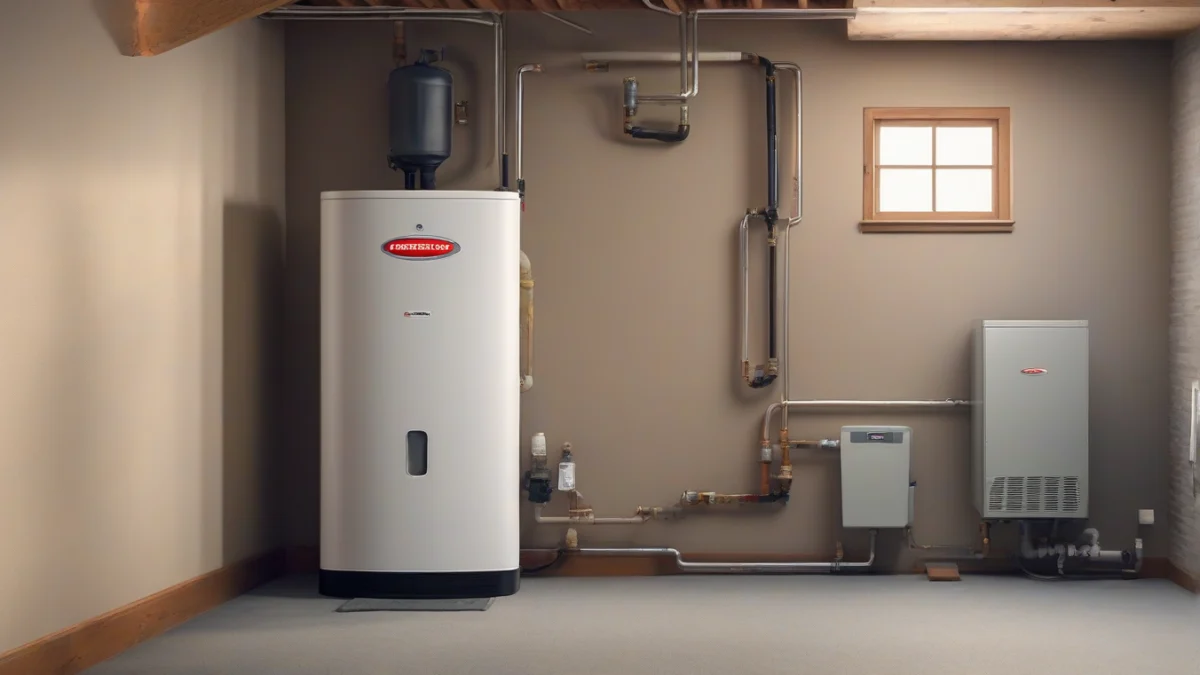
Hydronic heating means using hot water or steam to carry heat through pipes to radiators, baseboards, or floors. Pellet boilers specialize in burning small, uniform wood pellets made from compressed sawdust or biomass. Unlike manual wood boilers, pellet boilers feed fuel automatically from a hopper into the combustion chamber via an auger, maintaining a steady fire without daily stoking.
Inside the boiler, the combustion chamber burns the pellets at high temperature, and the heat exchanger transfers that heat to water circulating through the home’s heating system. Pumps push this hot water through radiators or radiant floor loops, spreading warmth evenly. Some systems also heat domestic hot water by integrating a tank or coil.
Modern pellet boilers use control systems that monitor temperatures and adjust the pellet feed rate and combustion air to match heating demand. This modulation keeps the boiler running efficiently across a range of outputs, reducing fuel use and emissions. Features like automatic ignition and self-cleaning cycles further reduce maintenance.
How Pellet Boilers Compare To Other Hydronic Heating Options
Pellet boilers use renewable wood pellets, while hydronic heating alternatives often rely on natural gas, oil, electricity, or traditional wood. Compared to these, pellet boilers offer a balance of automation, fuel cost stability, and emissions reduction that suits many homeowners looking to avoid fossil fuels.
Natural gas hydronic boilers are common and convenient, offering clean combustion and easy control, but they depend on a fossil fuel supply subject to price swings. Oil boilers produce more emissions and require tank storage. Electric boilers are simple and clean at the point of use but usually cost more to run given typical electricity rates.
Wood boilers burn logs or chips manually, which takes more work and can have higher emissions if not carefully managed. Pellet boilers automate fuel feed and combustion control for more consistent heat and lower emissions. They also produce fewer particulates and CO compared to manual wood boilers.
| Fuel Type | Typical Efficiency | Fuel Cost Stability | Emissions Profile | Automation Level |
|---|---|---|---|---|
| Pellet Wood | 80–90% HHV | Stable, market-driven | Low particulate and CO | High, hopper-fed and modulating |
| Natural Gas | 85–95% | Subject to market fluctuations | Low NOx and CO2 | High, modulating burners |
| Fuel Oil | 80–85% | Volatile, oil market | Higher particulates and CO2 | Moderate, manual fuel delivery |
| Electric | 99–100% | Stable but high cost | Zero on-site, depends on generation | High, simple control |
| Manual Wood | 50–70% | Variable, depends on supply | High particulates and CO | Low, manual loading and tending |
Pellet boilers also benefit from predictable fuel pricing since pellets are produced from wood waste, less affected by global oil or gas markets. Their efficiency often approaches or exceeds that of oil boilers and can rival gas systems when paired with buffer tanks to reduce cycling. This makes them a strong option for owners wanting renewable heating with lower emissions and automated operation.
Sizing And Installation Considerations For Pellet Hydronic Boilers
Choosing the right pellet boiler size starts with a Manual J heat load calculation, which determines how much heat your home loses in winter. A properly sized boiler matches this load closely to avoid short cycling—when the boiler turns on and off too frequently due to oversizing. This can cause low return water temperatures that stress the system and reduce efficiency.
For example, a typical 2,000-square-foot home with average insulation needs about 70,000 to 90,000 BTU per hour. Pellet boilers like the Pellet Duo 20 model handle up to 3,000 square feet, while the Pellet Duo 50 covers up to 6,200 square feet.
Pellet boilers come with hopper capacities ranging from about 40 to 600 pounds of pellets, influencing refill frequency. Larger hoppers or bulk pellet silos reduce how often you need to add fuel, but they require dedicated storage space that can be several square feet.
Installation requires venting designed for pellet combustion, typically stainless steel pipe or insulated chimney liners to handle corrosive exhaust. Plumbing must integrate the boiler with your home’s radiators or underfloor heating, including buffer tanks to prevent short cycling at low return water temperatures. Professionals should handle these steps to meet code and ensure safe, efficient operation.
Running Costs, Fuel Options, And Long-Term Savings
Pellet boilers consume roughly 1.5 to 2.5 pounds of pellets per hour at full output. Wood pellets cost about $250 per ton, or roughly $0.125 per pound. That works out to a fuel cost around 10 to 30 cents per hour depending on boiler size and usage.
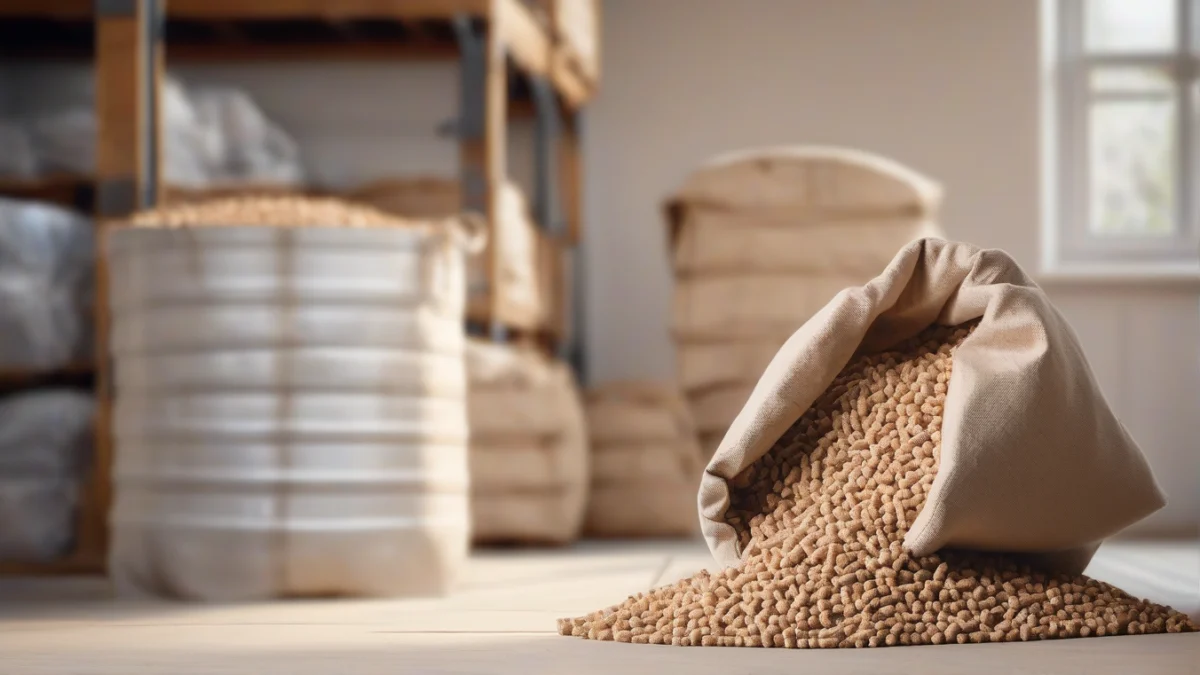
A hopper holding 600 pounds of pellets can run the boiler for 240 to 400 hours before refilling, which translates to about one refill every one to two months in a typical home heating season. Bulk storage silos outside or in a garage offer the most convenience but need extra space.
Efficiency ratings for pellet boilers typically range from 80% to 90% lower heating value (LHV). A boiler at 90% efficiency uses less fuel for the same heat output, saving money and reducing pellet consumption compared to older or less efficient models.
| Heater | Watts | Per hour | Per day (8 h) | Per month (31 days) |
|---|---|---|---|---|
| Pellet boiler (1.5 kW equivalent) | 1,500 W | 26¢ | $2.04 | $63.24 |
| Electric heating (1.5 kW equivalent) | 1,500 W | 26¢ | $2.04 | $63.24 |
Pellet boilers generally have higher upfront costs and require periodic maintenance, such as ash removal and auger inspection, but fuel cost savings often offset these over several years. Compared to natural gas, pellets are renewable with stable pricing, but installation complexity and fuel storage needs should factor into your decision.
Maintenance includes annual professional inspection and occasional cleaning; many models offer automated ash removal and ignition to reduce user burden. Long-term savings depend on local pellet prices, natural gas rates, and your system’s efficiency.
If you want to compare pellet boilers directly to natural gas, natural gas prices have been volatile, while pellet prices tend to be steadier but require more storage space. Boosting boiler efficiency with buffer tanks and smart controls improves savings and comfort. For more on natural gas boilers, see natural gas hydronic boilers.
Maintenance, Troubleshooting, And Safety For Pellet Hydronic Boilers
Pellet hydronic boilers need regular cleaning and ash removal to keep running smoothly and safely. Most models require ash removal every one to three weeks, depending on usage and pellet quality.
Modern boilers often have automated cleaning features that sweep the combustion chamber and clean heat exchanger surfaces during operation. However, manual cleaning of the burn pot and ash pan is still necessary to prevent buildup that can reduce efficiency and cause faults.
A common issue is igniter failure, such as with the Red Compact 24 pellet boiler, where the ceramic igniter can crack or wear out. Faulty igniters cause startup problems and delayed ignition, requiring replacement or professional service.
Boiler cycling—frequent on and off switching—is another common problem. It typically occurs when the boiler is oversized or the buffer tank capacity is too small, causing temperature swings that trigger the boiler to shut off prematurely. Proper sizing and a correctly sized buffer tank help maintain steady heat output and extend system life.
Long-term maintenance includes annual professional inspections of the combustion system, safety controls, and venting. Monitoring pellet quality and hopper feed is essential to avoid jams and maintain autonomy, meaning the boiler can run days or weeks without intervention depending on hopper size.
Regulations, Incentives, And Environmental Impact
EPA regulations currently apply to pellet hydronic boilers under the 2015 New Source Performance Standards (NSPS), which replaced the older Voluntary Hydronic Heater Program. Only boilers certified to EPA Step 2 emission limits are legal for new installations in most states.
Many older qualified units do not meet these stricter standards and are no longer legal to install in some areas. Local regulations may also restrict or ban pellet boilers due to emission concerns or require permits before installation.
Federal tax credits are available for pellet boiler installations that meet efficiency and emission standards, often covering up to 30% of the equipment cost. Additionally, numerous states and utilities offer rebates or incentives that can reduce upfront expenses significantly.
Pellet boilers emit far fewer pollutants than fossil fuel boilers, producing less carbon dioxide, sulfur dioxide, and particulate matter. They burn renewable wood pellets, making them a cleaner choice for reducing your home’s carbon footprint.
Questions People Ask
How do I determine the right pellet boiler size for my home?
What maintenance does a pellet hydronic boiler require annually?
Can pellet boilers fully replace my existing fossil fuel heating system?
What fuels besides wood pellets can pellet boilers use?
Are pellet hydronic boilers eligible for tax credits or rebates?
How reliable is remote monitoring and control for pellet boilers?

I am a mechanical engineer and love doing research on different home and outdoor heating options. When I am not working, I love spending time with my family and friends. I also enjoy blogging about my findings and helping others to find the best heating options for their needs.
Related guides

Lochinvar Boilers Use About 80% to 95% Efficiency for Home Heating
Learn how Lochinvar boilers work, their efficiency ratings, model differences, installation tips, and how they compare to other…
Hydronic Underfloor Heating: 120°F to 140°F Supply Water
Hydronic underfloor heating warms the floor with hot water in tubes. Learn how it works, what it costs,…
Hydronic Boiler vs Gas Boiler: Key Differences Explained
Hydronic boilers use water to transfer heat efficiently, while gas boilers burn natural gas for direct heating; both…
