

The common mistake is buying by square footage or boiler horsepower and calling it good. That usually costs you in short cycling, higher gas use, and a system that never settles down on mild days.
A boiler system makes sense when you want even heat in living spaces, basements, additions, and homes with radiant floors. It is a poor fit if you need fast warm-up after long setbacks or if the building envelope leaks like an old screen door.
Natural Gas Hydronic Boilers: Efficient Home Heating Solutions
Natural gas hydronic boilers heat water, then circulate it through pipes to warm your home steadily and quietly. This system differs from a natural gas heating furnace by using hot water instead of blowing warm air, which means the heat arrives at floors, walls, or radiators—not from a forced air register.
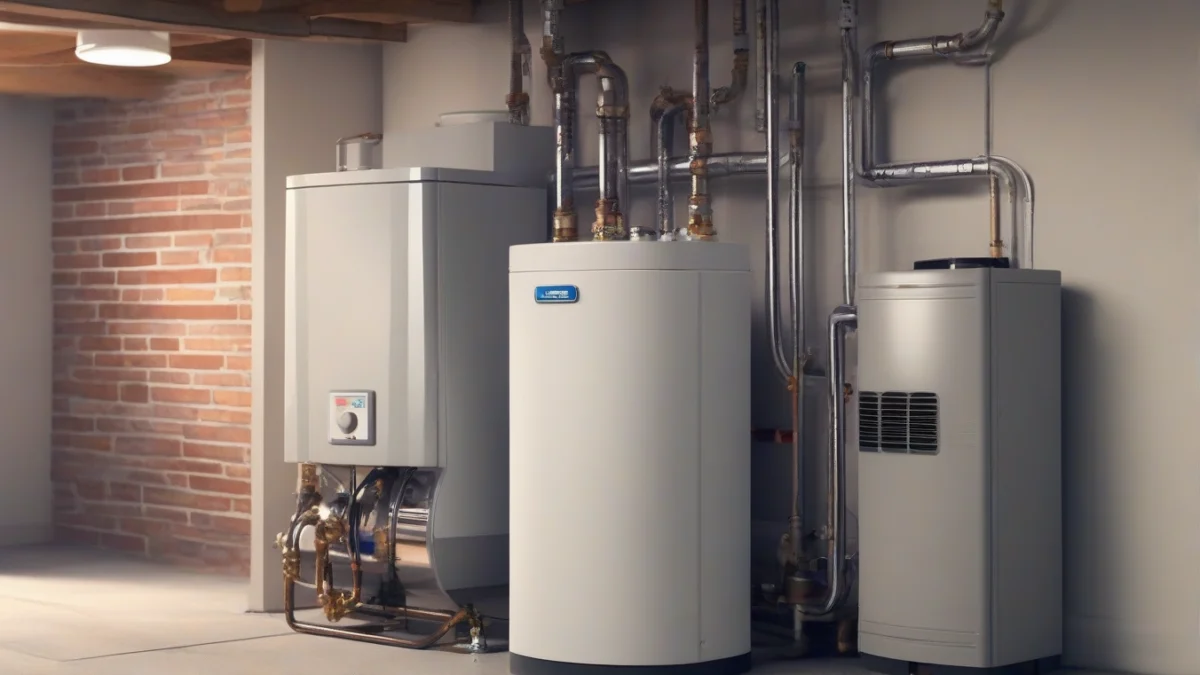
A hydronic heating system starts with the boiler warming water. A circulator pump then pushes this hot water through closed loops of piping leading to radiators, baseboards, fan coils, or radiant floor tubing. Because water stores and releases heat slowly, rooms stay comfortably warm with less temperature swing than with forced air.
The steady, gentle warmth feels different from a heating furnace’s quick blasts of air. Radiant floors and baseboards deliver heat where you live and walk, reducing drafts and cold spots, especially in drafty rooms or additions. Hydronic systems suit whole houses well, particularly ones with radiant floors or uneven heating needs.
| Type | Efficiency Range | Venting | Best Use |
|---|---|---|---|
| Condensing Boiler | 90% to 98% | Requires sealed venting to outdoors | Whole-home heating with high efficiency |
| Non-Condensing Boiler | 80% to 85% | Standard chimney or vent | Budget or simpler installations |
| Combi Boiler | 85% to 95% | Sealed or standard venting | Space-saving for heat and domestic hot water |
Natural gas is often cheaper per BTU than heating oil in many U.S. markets, which helps keep hydronic boiler running costs lower. Still, fuel prices vary locally enough that your savings depend on where you live and fuel supply contracts.
If you want a quietly running system that gently warms floors and walls, a natural gas hydronic boiler is a solid choice over a natural gas heating furnace. It suits whole homes, radiant floors, and rooms needing consistent heat without drafts.
The Size Mistake That Costs The Most
The biggest mistake in hydronic boiler sizing is picking based on square footage alone instead of a proper heat-loss calculation, like Manual J or a detailed design load. That quick guess often leads to a boiler too big or too small, both costly errors.
Installing a hydronic heating system typically costs several thousand dollars, depending on home size, zoning, and whether you retrofit or build new. The boiler size you need should match the calculated heat loss of your house, not just its floor area — that means considering insulation quality, window type, air leakage, and local climate.
An oversized boiler short-cycles: it fires up, quickly meets the thermostat’s demand, then shuts off and repeats. This wastes gas on every start and stop cycle and wears out ignition parts, pumps, and relays faster.
On the flip side, an undersized boiler runs flat out on the coldest days but still can’t keep up, leaving some rooms cold. This means discomfort and often higher energy bills, since the system runs constantly.
Leaks, air trapped in the piping loops, or poor air elimination can reduce your system’s effectiveness even if the boiler is properly sized. Air pockets block water flow and cause uneven heating, so regular maintenance is key.
For best results, start with a heat-loss calculation, choose a boiler size that meets but doesn’t exceed that load, and maintain your hydronic system to avoid leaks and air problems. The right boiler size and a sound system keep running costs down and comfort steady.
Where The Efficiency Comes From
Condensing hydronic boilers reach their highest efficiency when the return water temperature stays below about 130°F. This allows the exhaust vapor in the flue gas to condense inside the heat exchanger, releasing extra heat that would otherwise escape up the chimney.
The condensation process captures latent heat from water vapor in the exhaust. Cooler return water, typical in radiant floor heating loops, keeps the heat exchanger surface cool enough for longer condensing periods. Because underfloor systems usually operate around 85°F to 115°F supply temperatures, they maximize this effect more than baseboard systems, which need hotter water, often 140°F or higher.
Outdoor reset controls adjust the boiler’s supply water temperature based on the outdoor air temperature. On mild days, these controls lower the supply temperature to boost condensing time and save fuel. When temperatures drop, the control raises supply water to maintain comfort, trading some efficiency for warmth. This dynamic adjustment helps the boiler run closer to its rated annual fuel utilization efficiency (AFUE) in real conditions.
AFUE is a standardized lab rating that measures the boiler’s efficiency over a simulated heating season. Real-world performance often falls short if the system is oversized, if piping is poorly designed, or if the boiler runs at a fixed high temperature rather than modulating. Oversized boilers cycle more, wasting energy, and high return temperatures prevent condensation, lowering actual efficiency.
What It Costs To Run
Natural gas usually costs less than heating oil to operate because its fuel price per BTU is lower and modern gas boilers run efficiently for most of the heating season.
The operating cost depends on how much heat you need (in BTU or therms), the boiler’s seasonal efficiency, the fuel price, and how many hours you run it. The formula looks like this: burner input × hours × fuel price ÷ efficiency equals your fuel cost.
Fuel price per BTU matters more than the boiler’s size or efficiency badge when comparing natural gas with heating oil or propane. Heating oil has roughly 138,000 BTU per gallon but typically costs more per gallon than gas does per therm. Propane holds about 91,500 BTU per gallon but usually costs more than natural gas per BTU, making natural gas cheaper to run in many areas.
Condensing boilers keep running costs down by operating with lower water temperatures and longer run times. That keeps return water cool enough to condense the flue gases and reclaim heat that standard boilers lose. Radiant floor systems are ideal for this because they run at lower temperatures than baseboards or radiators, maximizing the boiler’s condensing efficiency.
Installation cost is a separate issue. A low-priced boiler with poor efficiency or the wrong size can raise your fuel bills for years, outweighing upfront savings. Choosing the right boiler means balancing installation expense with expected running costs.
Which Rooms It Suits Best
Hydronic heating fits bedrooms, living rooms, basements, and whole-house radiant floors because it delivers even, comfortable temperatures across the entire room.
Homes occupied for long periods benefit most since hydronic heat runs quietly without fan noise or blowing dust, making it ideal for people sensitive to allergens or sound.
The system’s slower response time means it’s less suited for rooms that require rapid temperature changes or for households that use deep night setbacks, where quick warm-ups are needed in the morning.
Underfloor tubing provides gentle, low-temperature heat that feels natural and spreads evenly. Baseboards and radiators heat faster but need more wall space and operate at higher water temperatures, which can reduce condensing efficiency.
| Heat Delivery Method | Best For | Trade-Offs |
|---|---|---|
| Underfloor tubing | Whole-house or zones with slow heat demand | Slow to warm but very even, low temp boosts efficiency |
| Baseboards | Rooms needing faster heat response | Faster warming but less even, needs exposed wall length |
| Radiators | Large rooms or older homes | Good heat output but bulky and higher water temps |
Pellet hydronic boilers offer an alternative fuel path for homes without natural gas access or for those wanting a renewable option. They burn compressed wood pellets and require a storage hopper and regular maintenance. Readers interested in pellet boilers should consult a dedicated guide for details.
Safety And Installation Details
Natural gas hydronic boilers require proper venting and combustion air supply to operate safely and efficiently. Venting directs harmful combustion gases outside your home, and without it, indoor air quality and safety are at risk. Installing a natural gas boiler is not a DIY project; it must follow local codes and standards to ensure adequate draft and air flow.
Unlike vented boilers, ventless natural gas heaters are a separate category designed mainly for spot heating, not whole-home hydronic systems. They lack a flue to exhaust combustion gases, which makes them unsuitable and unsafe for hydronic boiler applications or continuous home heating.
Converting an oil-fired boiler to natural gas can be a practical upgrade where gas service is available. The process involves changing burners, adjusting venting, upgrading controls, and obtaining permits. Local codes and fuel supply must be checked before starting; not all oil boilers convert easily or cost-effectively.
Watch for common warning signs that indicate a problem: soot buildup around the burner or vent, a yellow instead of blue flame, a smell of exhaust gases near the boiler, frequent safety lockouts, pressure fluctuations, or water leaks around the unit. These issues can signal incomplete combustion or venting failures.
More Questions, Answered
How does natural gas home heating work?
What size hydronic boiler do I need for my house?
Is natural gas cheaper than heating oil for home heating?
At what temperature is a condensing gas boiler most efficient with hydronic underfloor heating?
Can I convert from an oil boiler to a natural gas hydronic boiler?

I am a mechanical engineer and love doing research on different home and outdoor heating options. When I am not working, I love spending time with my family and friends. I also enjoy blogging about my findings and helping others to find the best heating options for their needs.
Related guides
Hydronic Boilers for Underfloor Heating: Efficient & Comfortable
A hydronic boiler efficiently heats water for underfloor heating systems, providing consistent warmth and energy savings through radiant…
Maintenance of a Hydronic Boiler: A Practical Guide
Efficient hydronic boiler maintenance for optimal performance. Take action to ensure long-lasting warmth and comfort. Trust our expertise…
Hydronic Boiler vs Electric Radiators: Which Heats Better?
Hydronic boilers provide efficient heating through water circulation, while electric radiators offer easy installation and control, making them…