

A hydronic floor system does its work slowly. The boiler heats water, a circulator pump pushes it through loops in the floor, and the slab or subfloor spreads that heat into the room.
The practical question is not whether the system can make heat. It’s whether the floor build, water temperature, and loop balancing are right for the room you actually have.
Hydronic Underfloor Heating
Hydronic underfloor heating uses warm water running through pipes beneath your floor to heat your home evenly and efficiently. It works best throughout the home, especially in whole-house installs, additions, basements, bathrooms, and open floor plans.
The system consists of several key parts. Hot water is heated by a boiler and pushed through a network of tubing laid under the floor by a circulator pump. This tubing is connected to a manifold, which controls the flow to each room or zone. A thermostat monitors the room temperature and signals the boiler and pump to adjust flow and heat output accordingly.
Because water has high heat capacity, it delivers steady, radiant warmth that makes the floor feel naturally warm and the room temperature more stable. This radiant heat spreads evenly, unlike forced air which blasts hot air unevenly. The floor’s thermal mass slows the response time, so it takes longer to heat a room but also keeps it warmer longer once the system cycles off.
| Component | Role |
|---|---|
| Boiler | Heats water, typically to about 120°F to 140°F for underfloor systems, which suits condensing boilers by keeping return water cool. |
| Circulator Pump | Pushes hot water through tubing loops under the floor. |
| Manifold | Distributes water flow evenly to each loop or zone. |
| Thermostat | Measures room temperature and controls boiler and pump operation. |
Lower water temperatures around 120°F to 140°F are ideal for hydronic underfloor heating because they help condensing boilers run more efficiently by maximizing heat extraction from exhaust gases. Cooler water return temperatures also reduce boiler cycling, which saves energy and extends equipment life.
Underfloor Hydronic Water Temp and Boiler Efficiency
A condensing gas boiler running hydronic underfloor heating is most efficient when supply water is between 120°F and 140°F, keeping return water cool enough to condense flue gases.
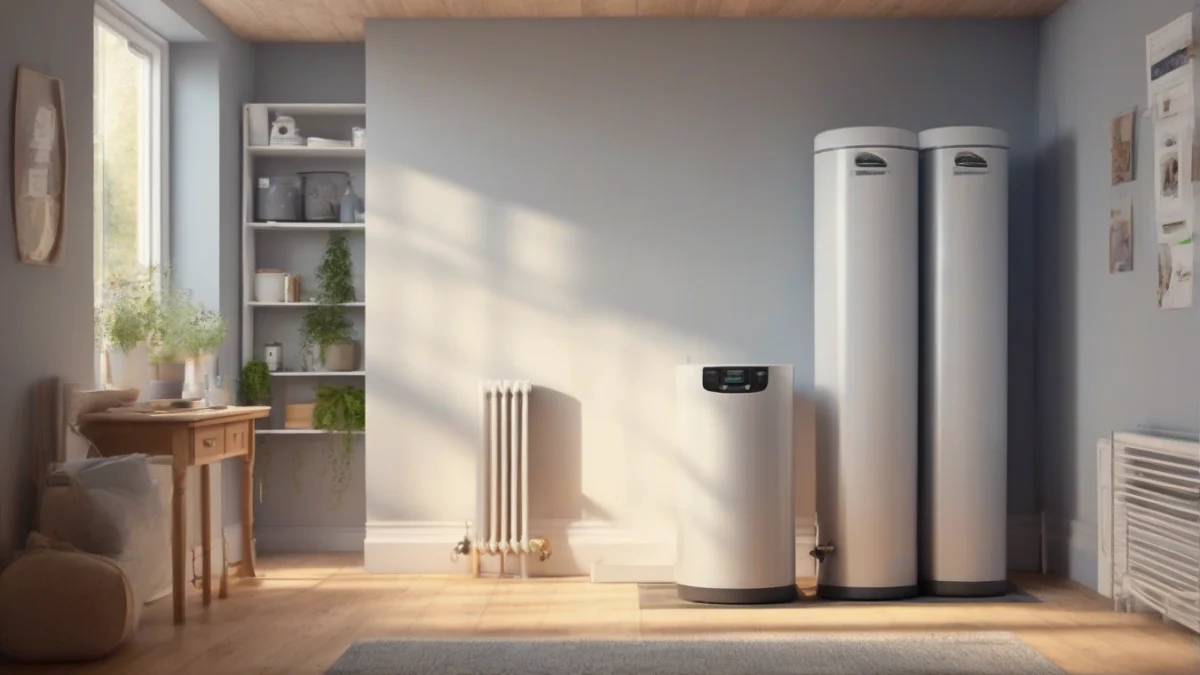
The exact water temperature your system needs depends on your floor construction and heat loss. For example, a thick concrete slab stores and radiates heat evenly at lower temperatures, while a wood floor may need slightly warmer water to reach the same warmth.
Condensing boilers gain efficiency by cooling return water below the dew point of flue gases, around 130°F. When return water stays cool, the boiler recovers heat by condensing steam in the exhaust, improving fuel use by up to 10%. If water temperatures rise too high—say above 150°F—this condensing effect stops, cutting efficiency and increasing fuel consumption.
Higher water temperatures also cause short cycling: the boiler fires up and shuts down rapidly because it hits its temperature setpoint too fast. This wastes fuel, stresses components, and shortens the boiler’s life. Oversized boilers magnify this problem by running at full output when a small amount of heat is needed.

Hydronic Underfloor Heating Cost Per Meter
The cost per meter to install hydronic underfloor heating varies widely depending on floor type, tubing size, insulation, manifold count, controls, and whether you’re installing new or retrofitting.
Tubing typically costs $1 to $3 per linear foot, but manifold assemblies with valves and gauges add several hundred dollars. Circulator pumps and electronic controls can add $200 to $600 or more, depending on complexity. Labor varies by region but often runs from $4 to $8 per square foot installed, including plumbing and wiring.
Retrofit installations usually cost more per meter than new construction because the floor must be lifted or modified, and existing finishes protected or repaired afterward.
| Component | Typical Cost Range |
|---|---|
| PEX tubing | varies by material and installation complexity |
| Manifold and valves | depends on system design and installer rates |
| Circulator pump | cost fluctuates with pipe type and length |
| Controls and thermostat | varies based on manifold size and features |
| Labor (plumbing/electrical) | ranges depending on insulation and floor type |
Hydronic Underfloor Heating Balance Loops Different Lengths
Balancing loops of different lengths in hydronic underfloor heating is critical to keep heat even across rooms. Equal loop lengths make balancing simple because water meets the same resistance everywhere. But layouts, room sizes, or obstacles often force loops to vary.
Longer loops have more resistance due to friction in the pipes. That slows flow, delivering less hot water to the farthest areas. The result: cooler floors and rooms that lag behind the rest of the house.
Manifolds come with balancing valves and flow meters to help manage this. Balancing valves let you throttle flow on shorter loops so the longer loops get enough water. Flow meters show exactly how much water moves through each loop, making it clear if one loop runs too fast or too slow.
Watch for signs of poor balancing: some rooms feel too hot while others stay chilly, or the boiler runs longer than expected as it tries to catch up. These symptoms mean flows need adjusting.
| Loop Length | Flow Resistance | Room Temperature |
|---|---|---|
| Equal | Balanced | Even heating |
| Longer by 50% | Higher resistance | Cooler room, slower heat |
| Shorter by 30% | Lower resistance | Warmer room, faster heat |
When guessing fails or symptoms persist, a pro should measure flow rates with specialized tools. That ensures the system works as designed and avoids overloading the pump or boiler.
Hydronic Underfloor Heating With Laminate Flooring
Laminate flooring can work well with hydronic underfloor heating if the product is rated for radiant heat and the subfloor temperature stays within the flooring manufacturer’s limit, usually around 81°F to 85°F. Exceeding that risks damaging the laminate’s finish or causing warping.

Thin, dimensionally stable flooring like laminate transfers heat more efficiently than thick carpet or solid wood. That means the system can run at lower water temperatures and still keep the room comfortable.
Underlayment matters too. Some foam or cork underlayments reduce heat transfer and may not be rated for radiant heat, so always check the flooring maker’s specs and temperature limits.
| Flooring Type | Heat Transfer | Radiant Heat Suitability |
|---|---|---|
| Laminate (rated) | Good | Best with temp control |
| Engineered Wood | Moderate | Acceptable if stable |
| Solid Hardwood | Poor | Least forgiving |
| Carpet (thick) | Low | Not recommended |
| Tile or Stone | Excellent | Ideal but costly |
What To Check Before You Buy Or Call A Tech
Hydronic underfloor heating systems combine a boiler, a pump, tubing loops beneath the floor, and a control system zoning heat where you need it. Before buying or repairing, you need to confirm these key elements work together and match your home’s needs.
Starting new, calculate your home’s heat loss to size the boiler and set the water temperature target, usually between 120°F and 140°F for efficient condensing operation. Choose floor covering compatible with radiant heat, and plan loop layouts to cover each heated zone evenly. Zoning controls let you run only the areas you need, cutting fuel use and improving comfort.
For repairs, listen for pump noise as a rough or loud pump often signals wear or failure. Check each loop for cold spots that show air trapped in the system or a stuck zone valve. Air bleeds and valve checks can fix many uneven heating issues. A faulty thermostat can leave zones unheated, and leaks at the manifold or joints need prompt attention to avoid damage.
Replacing a circulator pump calls for matching exact specs: voltage, flange size, and flow rate. Swapping in any pump of similar size won’t work and can harm the system. The 007-F5-7IFC cast iron circulator pump fits many underfloor systems with 115V power, flanged connections, and adjustable flow, making it a solid choice if your current pump matches these specs.
Questions People Ask
What is hydronic underfloor heating?
At what temperature is a condensing gas boiler most efficient for underfloor heating?
How do you balance hydronic underfloor heating loops of different lengths?
What is the cost per meter for hydronic underfloor heating?
Can you use hydronic underfloor heating with laminate flooring?
What are the main elements of a hydronic underfloor heating system?
When should you replace the circulator pump on a hydronic floor heating system?

HeaterGuides covers home heating, water heating and HVAC: how the equipment works, what it costs to run, and how to use it safely.