For steady one-room winter comfort, a correctly sized electric baseboard heater is usually the most effective choice because it warms air along the wall without a fan. A baseboard heater is a low wall heater that heats air near the floor so the warm air rises through the room.
The half-true belief here is that any baseboard heater will feel about the same. They do if the room is small enough and the thermostat is decent; in a drafty room, cheap control and weak placement can make a perfectly good heater feel tired.
Baseboard heat works by convection: the element warms air, the air rises, and cooler air slips in near the floor to be heated next. That makes the heat feel even and quiet, but it also means room size, insulation and thermostat placement matter more than the name on the box.
What to remember
Pick electric baseboard heat for steady, silent room heating, not for fast recovery after the room has gone cold.
Size the heater to the room and insulation level before you compare brands; too little wattage is the common failure.
Use a line-voltage thermostat that matches the circuit voltage and amperage, or the heater will cycle badly or not at all.
Keep the grille clear of curtains, furniture and piles of laundry, then vacuum the fins before the first cold snap.
A small room with a good thermostat often feels better than a bigger heater fighting a drafty room.
Most Effective Baseboard Heaters For Winter Comfort
Electric baseboard heaters are the most effective choice for steady comfort in one correctly sized room. An electric baseboard heater warms air along the wall quietly and evenly, but insulation, window leakage and thermostat control can matter as much as the heater’s wattage.
Electric baseboard heaters provide effective winter warmth.
Baseboard electric heat works by convection: air beside the heating element warms, rises into the room and lets cooler air move in near the floor. That slow circulation avoids the hot-and-cold pockets a fan can create, and there’s no blower noise to interrupt a bedroom or office. The trade-off is patience; a baseboard heater won’t warm a cold room as quickly as a fan heater.
Heater type
Comfort
Noise
Response speed
Best use
Electric baseboard
Steady, even warmth
Silent
Slow to moderate
Enclosed bedrooms, offices and living rooms
Oil-filled radiator
Gentle, steady warmth
Silent
Moderate
Bedrooms and offices where heat after cycling helps
Fan heater
Fast but more localized
Audible
Fast
Short warm-up periods or small areas
The best choice depends on how steadily you want heat, not only how quickly you want it.
0 fans
Why electric baseboard heat is quiet
Natural convection moves the warmed air, so there’s no blower motor cycling on and off. You’ll still hear a thermostat click on some systems.
An oil-filled radiator uses an electric element to heat sealed oil, and the warm oil continues radiating after the element cycles off. That lingering heat can smooth temperature swings in a bedroom or office, although the unit still needs the right output for the room. A fan heater wins when you need warmth quickly, but its airflow can feel drafty and its noise is harder to ignore.
In short
Choose an electric baseboard heater for quiet, steady comfort in an enclosed room. Choose an oil-filled radiator when gentle heat after the element cycles off matters; choose a fan heater when fast warm-up matters more than silence.
Baseboard heat has clear limits. A drafty room can lose warmth through leaky windows faster than the heater replaces it, while an open doorway lets the heat wander into spaces the thermostat may not measure. These heaters are best for one enclosed room, not as a substitute for whole-house heating or a fix for severe air leakage.
Keep the thermostat where it can sense the room rather than a cold exterior wall, and give the heater unobstructed space so air can rise. If you’re ready to compare models built for quiet single-room comfort, start with these picks for cozy comfort; measure the room before choosing the wattage.
Measure The Room Before You Buy
The cost-effective way to heat a house in winter is to size heat by room, seal obvious drafts, and heat occupied spaces instead of oversizing every heater. Oil-filled radiators are effective in winter, but they aren’t cheaper per watt than a baseboard heater; both turn electricity into heat at the same basic rate. An oil radiator warms more slowly and keeps giving off gentle heat after its element cycles off.
Measuring the room is essential before purchasing heaters.
Worked Example
Say a small bedroom measures 10 × 12 feet, or 120 square feet. A 500 W heater is listed for up to 50 square feet, so it supplies less than half the coverage needed for that example. The heater may run for long periods and still leave the far side of the room chilly. Drafty windows, a poorly insulated exterior wall or a high ceiling increase the heat loss further.
Room10 × 12 ft = 120 sq ft
Heater500 W
Listed coverageUp to 50 sq ft
ResultUndersized for this room
Use the manufacturer’s coverage as a starting point, then allow more capacity for leakage and weak insulation. A small, well-insulated room can use modest heat; a leaky room needs more wattage, tighter thermostat control or a different heat source. The 500 W size is useful as supplemental heat or for a small bedroom, condo or office up to 50 square feet when hardwired.
Heater
Watts
Per hour
Per day (8 h)
Per month (30 days)
1,500 W baseboard heater
1,500 W
26¢
$2.04
$61.20
700 W small oil radiator
700 W
12¢
95¢
$28.56
Calculated at 17¢ per kWh. Example assumes 8 hours per day, 30 days and electricity at $0.17 per kWh; actual cost depends on run time and your utility rate.
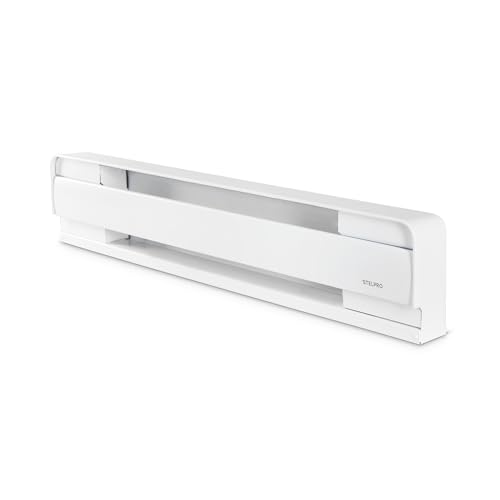
That comparison shows why a lower-wattage oil heater can cost less to run while also delivering less heat. Neither heater spends the whole night at full power if the thermostat cycles off, so the cost block is a full-output ceiling rather than a promise from your electric bill. For a small, well-insulated space, Product 2 supplies the modest heat its 500 W rating allows and requires hardwiring to a matching 120 V circuit.
Useful for a small room
Stelpro Brava Electric Baseboard Heater
Product 2 suits a bedroom, condo or home office up to 50 sq ft when hardwired because its 500 W output provides silent convection heat, and its overheat protection cuts power if airflow is blocked. Skip it for a larger or drafty room; that room needs a higher-capacity heater sized for its heat loss.
These fit the jobs where a product actually changes the result.
Best for Simple Control
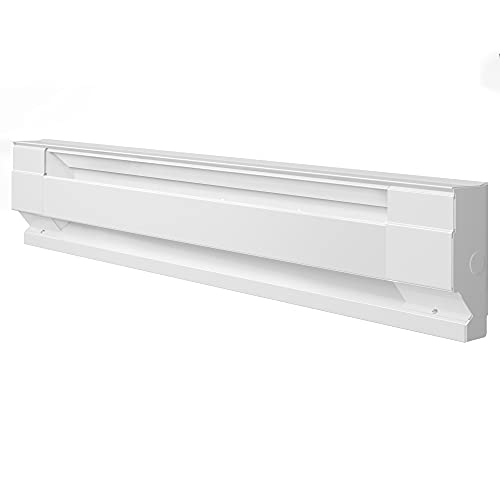
COMFORT ZONE Digital Baseboard Heater
Natural convection moves warm air through the room without fan noise, while the digital thermostat helps hold your chosen temperature. The timer and two heat settings give you more control when the room only needs a little help.
The 500 W convection element is sized for a small room and requires an external thermostat, so you can pair the heater with the wall control that suits the installation. Its one-piece steel construction is designed to warm and cool without the usual baseboard ticks and pops.
A thermostat for baseboard heaters must match the heater’s circuit voltage and electrical load, and an external wall thermostat usually gives the room steadier control than a heater-mounted switch. The wall unit senses room temperature away from the hot metal cabinet, while a built-in control measures and operates from the heater itself.
Baseboard heaters with a thermostat can use either arrangement: a line-voltage thermostat mounted on the wall, or a control built into the heater. Line-voltage thermostats must match the circuit voltage and the load the heater draws; the wrong part can cycle poorly, waste money and leave the room swinging between chilly and overheated. Turn electrical installation over to a qualified electrician where local rules require it.
Myth
A baseboard heater timer will make an undersized heater warm the room faster.
Fact
A timer only decides when the heater runs or shuts off. It can’t add heating capacity, so a 500 W unit in a much larger or drafty room will still struggle during the scheduled period.
Choose a timer when you want the room warm before work, school or bedtime, then pair it with a thermostat that can hold the temperature after you arrive. A timer is useful control; it isn’t a substitute for sizing the heater first.
Useful for scheduled comfort
COMFORT ZONE Digital Convection Baseboard Heater with Timer
Product 1 is a practical answer when you want a digital thermostat and timer in one quiet convection heater, with two heat settings for adjusting output while you work or sleep. Choose a separate compatible line-voltage thermostat instead if the heater location makes wall sensing more accurate for the room.
The best baseboard thermostat is the correctly matched line-voltage control that senses the room where you live in it. Add a timer for a schedule, but fix undersizing with more capacity rather than a more complicated control.
Place And Clean Baseboard Heaters Safely
Clean a baseboard heater by switching off its breaker, then vacuuming dust from the fins and cabinet; place it where air can move freely along the wall and across the room. A blocked grille turns a quiet heater into an inefficient metal box, which is not a useful winter upgrade.
1
Choose the wall
An exterior wall under a window usually works well because the heater can counter the coldest part of the room, but follow the manufacturer’s placement and clearance instructions. Leave the grille unobstructed so room air can enter and warm air can leave.
2
Clear the front
Move curtains, furniture backs, storage boxes and rugs away from the heater. Anything sitting against the unit restricts airflow, cuts heat output and can overheat the heater or nearby material.
3
Shut off power
Turn off the heater at the circuit breaker before cleaning. Don’t trust the thermostat alone; a thermostat set to off doesn’t prove that the wiring inside the heater is de-energized.
4
Vacuum the fins
With the unit cool and power off, use a vacuum brush to remove dust from the fins, inside the grille and along the cabinet. Work gently so you don’t bend the thin metal fins, then wipe the outside with a dry or barely damp cloth.
Before You Turn It Back On
The grille is open from end to end.
Curtains, furniture and boxes aren’t touching the heater.
Dust is gone from the fins and cabinet.
The breaker is reset only after cleaning is complete.
Listen Before Winter
A small expansion tick as the heater warms can be normal, but loud or repeated ticking, buzzing, scorching smells or a breaker that trips needs attention before the first cold snap. Check the heater and thermostat rather than masking the noise with a louder fan.
Use baseboard heating with the thermostat unobstructed and the heater’s air path open; don’t drape clothing over it or use the top as a shelf. If the layout leaves no clear path for warm air, move the furniture or have the placement reviewed before buying a longer heater.
Do The Next Check Before Cold Weather Hits
Before replacing anything, measure the room, check the circuit and thermostat, clean the heater, and then decide if you need a replacement or supplemental heat. That order keeps you from buying a larger heater to compensate for a blocked grille or a control that has given up.
Your Order Of Operations
Measure the room and compare its heating need with the installed heater’s output.
Check the breaker, heater voltage and thermostat rating against the equipment label; don’t assume a 120-volt control belongs on a 240-volt heater.
Clean the fins, grille and cabinet with power off at the breaker.
Replace a failing heater or thermostat, or add heat only after confirming the circuit can handle the load.
Leave Wiring Alone
Installing a new baseboard heater, hardwiring it, adding a circuit or wiring a baseboard thermostat requires electrical work that belongs to a licensed electrician in most places. Use an installation guide for baseboard heaters for planning and terminology, not as a reason to work inside the panel if you aren’t qualified.
Replace Weak Controls
Old, loose or unreliable controls are usually a replacement job, not a patching project. A weak thermostat setup can leave you with uneven heat and another January annoyance, even if the heater itself still works.
Stop and call a professional if you see scorching, damaged wiring or a breaker that trips; keep the heater off until it has been checked.
Questions People Ask
What is the best baseboard thermostat to buy?
The best thermostat is a line-voltage model rated for your baseboard heater’s voltage and electrical load. A programmable or smart model can reduce heating during sleeping or away hours, but it won’t fix an undersized heater or a drafty room. Turn off the breaker before replacing one, and use a licensed electrician if you’re unsure which wires carry line voltage.
How do you clean baseboard heaters before winter?
Switch off the heater at its breaker and let it cool, then vacuum dust from the grille, fins and floor beneath it with a soft brush attachment. Don’t bend the metal fins or spray cleaner into the heater. After cleaning, check for scorched areas, loose wiring or a grille blocked by furniture; persistent burning smells call for service before you run it.
How do you install baseboard heaters safely?
Safe installation starts with the manufacturer’s required clearances, a circuit sized for the heater, and a thermostat rated for the same voltage and load. Shut off and verify the breaker before any wiring, keep curtains and furniture away from the heater, and follow local electrical code. A licensed electrician should handle new circuits, uncertain wiring and connections inside the panel.
Are oil filled radiators effective in winter?
Oil-filled radiators work well for steady heat in one room, especially when you want quiet operation and gentler temperature swings. The sealed oil transfers heat to the metal fins and continues releasing warmth after the thermostat cycles off, but the heater still uses electricity at its rated wattage. Choose one as supplemental or room-by-room heat, and plug it directly into a wall outlet with clear space around it.
Where to go next
smart baseboard heatersCompare connected controls and steadier temperature management for baseboard heat.
optimize home comfortFind practical thermostat and room-control steps for better winter comfort.
I am a mechanical engineer and love doing research on different home and outdoor heating options. When I am not working, I love spending time with my family and friends. I also enjoy blogging about my findings and helping others to find the best heating options for their needs.