Optimizing hydronic underfloor heating usually takes a half day for controls and balancing, or a full weekend if you’re improving insulation or layout, and most of it is a careful DIY job. Start with pipe spacing, water temperature, and zoning; those three decide most of the bill and comfort.
Getting this wrong costs you twice: first in fuel, then in rooms that never quite feel right. A system can run all winter and still waste heat under the slab or through a sloppy control setup.
The fixes below work from biggest gain to smallest, so you can stop after the steps that make sense for your house and your tools.
15 Proven Ways to Optimize Hydronic Underfloor Heating Efficiency
To optimize hydronic underfloor heating efficiency, start with pipe spacing, insulation, a 120°F to 140°F supply temperature, balanced flow, and separate controls for each zone. To improve an underfloor hydronic heating system, audit the floor and drafts first, then tune the manifold, thermostat schedules, boiler, pump, and maintenance routine in that order.
The usual pipe-spacing target is 6 to 8 inches on center, because closer, even loops spread heat more consistently and let the system work with cooler water; wider spacing is reasonable only in mild rooms with a small heating load.
Before You Touch Anything
Let hot water and surfaces cool before opening a manifold or bleeding a loop, and don’t work on gas piping, venting, 240-volt wiring, or boiler controls unless you’re qualified for that job. Shut off power before opening electrical covers, follow the boiler manual, and call a licensed pro for gas, venting, or electrical faults.
Gather These First
Tape measure for checking pipe spacing and edge gaps
Infrared thermometer for comparing floor and supply temperatures
Pressure gauge reading and a towel or container for bleeding
Manifold flow meters, balancing valves, and the loop labels
Thermostat manuals, boiler manual, and a way to record settings
Draft-sealing supplies for doors, windows, and obvious penetrations
1
1. Check the layout
Confirm loops are evenly spaced, with 6 to 8 inches on center as the normal target; note rooms with unusually wide spacing or cold edges.
2
2. Stop downward loss
Inspect floor insulation beneath the tubing, then add or repair edge insulation and seal drafts around windows, doors, and floor penetrations.
3
3. Insulate exposed pipe
Insulate supply and return pipe where it crosses an unheated basement, crawlspace, or utility area so heat reaches the floor instead.
4
4. Lower the water temperature
Start within the practical 120°F to 140°F boiler range and use the lowest setting that holds the room temperature; hotter water wastes fuel and can shorten equipment life.
5
5. Label every loop
Match each manifold loop to its room, then record its flow reading before changing a valve.
6
6. Balance the flow
Open or restrict loop valves gradually so long or cold zones receive enough flow without starving nearby rooms.
7
7. Tune each zone
Use a thermostat in each occupied zone rather than one control for the whole house, and set schedules around actual occupancy.
8
8. Check the pump
Use the lowest pump setting that moves water quietly through every open zone; a variable-speed pump should slow as demand falls.
9
9. Reset the boiler
Use outdoor reset or weather compensation if the equipment supports it, allowing supply temperature to fall during milder weather.
10
10. Protect the floor finish
Follow the flooring and system limits, especially beneath hardwood, laminate, or other materials that can be damaged by excess heat.
11
11. Bleed trapped air
Bleed air only as the system manual directs, then recheck pressure and flow; air pockets can leave a loop cool.
12
12. Flush sediment
Flush when the manufacturer or service procedure calls for it, since sediment buildup restricts flow and reduces heat transfer.
Control example
Assumed operation
Simple energy comparison
Higher supply, whole house
140°F for 8 burner-hours
100 units/hour × 8 = 800 units
Lower supply, zoned demand
125°F for 6 burner-hours
100 units/hour × 6 = 600 units
Illustrative difference
200 fewer units, or 25% less in this example
The 25% figure is a worked example, not a guaranteed saving; actual results depend on outdoor temperature, insulation, boiler efficiency, and whether the lower water temperature can still meet the load.
6–8 in
Normal pipe spacing
Keeping PEX tubing evenly spaced helps the floor deliver heat with a lower water temperature and fewer warm and cold stripes.
Myth
Turning the boiler hotter always heats the house faster and better.
Fact
Excess heat can waste fuel, increase cycling, and shorten equipment life. Radiant floors respond slowly, so steady flow and a moderate supply temperature usually beat repeated hot blasts.
Worked Example
Say a zoned home uses a boiler input of 100 energy units per burner-hour. Running every zone for 8 hours uses 800 units; allowing the occupied zones to call for heat for 6 hours uses 600 units. That is 200 fewer units in the example, while the 125°F supply temperature reduces distribution losses compared with 140°F, provided every zone still reaches its setpoint.
Higher setting140°F × 8 hours = 800 units
Lower, zoned setting125°F × 6 hours = 600 units
Illustrative reduction25%
For a deeper service checklist, use this hydronic underfloor heating maintenance guide after the tune-up, and keep a written record of manifold flows and thermostat changes.
How To Balance Flow, Zoning, And Smart Controls
The best practices for balancing flow in different zones are to label every loop, adjust the manifold flow controls gradually, and verify each room reaches its setpoint without excessive pump speed. A manifold distributes water, lets you set individual loop flow, and regulates temperature by zone; thermostats then tell the actuators which zones need heat.
Balancing flow in different zones is essential for efficiency.
Real savings require a thermostat for each occupied area you want to control independently, rather than one hallway thermostat deciding the temperature for the whole house. Smart thermostats can learn occupant behavior to optimize heating when learning is enabled, but scheduling, occupancy learning, remote access, and a floor-sensor temperature limit matter more than a glossy app.
Control type
Best fit
What it can do
Manual
Simple, steady occupancy
Set one temperature by hand; little scheduling or remote control
Programmable
Predictable weekday routines
Lower the setpoint during known absences and raise it before arrival
Smart
Changing schedules or remote control
Use scheduling, occupancy learning, remote access, and floor-temperature limits
A smart thermostat cannot fix poor flow balance or a badly insulated floor; controls only direct heat that the system can deliver.
Floor Sensor Limit
Use the floor sensor to cap surface temperature where the flooring manufacturer requires a limit. Room air can feel comfortable while the floor itself is running hotter than the finish should tolerate.
Pump Setting
A variable-speed pump should match output to open-zone demand. If it runs faster than needed, you may hear rushing water and spend electricity moving water through closed or nearly closed loops.
After changing a flow meter, thermostat schedule, or pump setting, give the slab time to respond before making another adjustment; radiant floors store heat, so rapid corrections can create an overshoot.
Which Insulation Materials And Floor Builds Work Best
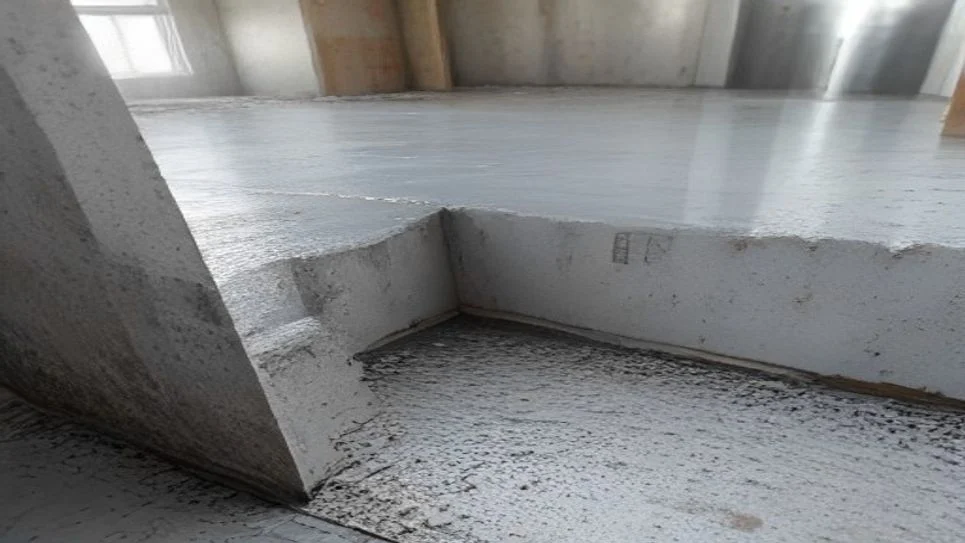
The best thermal resistance under a hydronic floor usually comes from continuous rigid foam beneath a slab, while edge insulation and insulation between joists solve heat loss at the perimeter and through suspended floors. Match the build to the floor you have before choosing pipe spacing.
Using the right insulation materials enhances thermal resistance.
Build
Best fit
What it does
Rigid foam under slab
Slab-on-grade
Limits downward heat loss and reduces thermal bridges across the slab.
Perimeter edge insulation
Slab edges and exterior walls
Stops the slab edge from bleeding heat into cold foundation materials.
Cavity insulation
Suspended floors between joists
Keeps downward heat in the occupied room; protect it from moisture and compression.
Continuous insulation works best when gaps at edges, joints and penetrations are sealed.
For maximum heat efficiency, use roughly 6 to 12 inches between pipe runs: tighter spacing suits exterior walls and rooms with high heat loss, while wider spacing can leave cool strips in a cold room. A spiral or counterflow layout keeps the hot supply pipe beside the cooler return pipe; a serpentine layout is simpler, but its far end can run cooler.
Worked example
Say a basement slab has a cold exterior wall and a warmer interior partition. Put the closer pipe spacing along the exterior wall, keep the loop within the manufacturer’s bend radius, and insulate the slab edge so the extra heat reaches the room instead of the foundation.
Higher heat-loss areaExterior wall
Pipe approachCloser spacing
Layout goalHot and cool runs side by side
Concrete slab installation stores more heat and releases it slowly, so it suits steady schedules and homes that stay occupied. A gypsum overpour is generally lighter and responds faster, but its permitted thickness, drying requirements and floor-covering limits come from the product instructions. Tile transfers radiant heat well; hardwood and laminate can work too when their manufacturer permits hydronic heat and specifies a maximum floor temperature.
Check Before Covering The Pipes
Photograph every loop, record its spacing and pressure-test the tubing before the pour or floor finish hides it. A buried leak is a much larger repair than a visible one.
From HeaterGuides · our own guideHeating System Upgrade PlannerChoose between a heat pump, a furnace, a boiler or a hybrid with your own numbers, and hire the right installer.Every system compared side by side25 questions for contractors, red flagsRunning-cost, payback and quote calculator (Excel)$14.99$9.99Get it for $9.99See what's inside and watch the 2-minute video →16-page printable PDF + Excel calculator · instant download · 30-day refund
Mistakes That Cause Damage Or Leaks
The common installation mistakes are trapped air, dirty water, excessive pressure, wrong pipe spacing, missing insulation and supply water that’s too hot; they cause more trouble than a thermostat set a degree too low. Inefficiency can also show up as gurgling loops, slow warm-up, short cycling, a noisy pump, pressure swings or stains near fittings.
Protect The Pump And Boiler
Don’t dead-head a pump by closing every flow path, and don’t crank the boiler temperature high to force a faster warm-up. Excess heat wastes energy and can stress flooring and system components; a bad expansion tank can cause pressure swings, discharge from the relief valve or repeated low-pressure symptoms.
1
Check the cold room’s loop
Confirm the thermostat is calling for heat, then check that its manifold actuator opens and its flow control isn’t closed.
2
Remove air carefully
Listen for gurgling and bleed the affected loop at the manifold using the system’s service procedure; trapped air can stop circulation.
3
Check flow and temperature
Compare the loop’s supply and return temperatures with nearby zones. A cold supply points toward a control or boiler issue; a hot supply with little room heat points toward flow, insulation or floor-covering limits.
4
Look for pressure and water damage
Inspect the manifold, pump and fittings for stains, dampness or pressure swings. Shut the system down and call a qualified technician if a fitting leaks or pressure keeps falling.
Bleed the loops annually before the heating season, and flush the system every few years when sediment builds up or flow becomes restricted. Flushing removes dirty water and deposits; use the system’s approved fluid and procedure rather than introducing untreated water repeatedly. For a fuller service schedule, see this hydronic underfloor heating maintenance guide.
Myth
A higher boiler temperature fixes a room that heats slowly.
Fact
A high setting can hide poor flow, trapped air or missing insulation while wasting energy and stressing the floor. Find the restriction first, then keep the supply temperature within the system’s intended range.
In short
A room that stays cold needs a loop, actuator, flow and air check before you turn up the boiler. Gurgling, pressure swings and fitting stains deserve attention even when the floor eventually gets warm.
When You Need A Permit Or Licensed Pro
Hydronic systems can pair well with solar thermal or a heat pump because radiant floors use low-temperature water, but the controls, heat exchanger arrangement and sizing need to match the heat source. Boiler sizing starts with the home’s heat loss, not square footage alone; an oversized boiler short-cycles, wastes fuel and gives the floor poor control.
Work
DIY boundary
Pipe layout, insulation and planning
Reasonable DIY work when the design and local rules allow it
Gas piping, venting and boiler replacement
Licensed-pro work in most places
240 V electrical work
Use a licensed electrician in most places
Pressure-relief discharge details
Use a licensed pro; never cap or plug the relief path
Permits and zoning changes
Check with the local building department before work begins
Rules vary by state, city and the equipment listing.
Plan It, Then Check It
DIY planning can save money: map the loops, calculate room heat loss and list the control changes before calling for permits. Stop where combustion, gas, high voltage, pressure relief or code compliance begins.
Before Changing The Boiler
Ask the building department about permits, venting, zoning and boiler replacement rules. A heat pump or solar thermal addition may work efficiently with the floor, but a licensed installer must verify temperatures, controls, flow and the existing system before connection.
What To Do Next This Winter
Work in this order before the first cold snap: inspect insulation, set the supply temperature, balance the loops, tune each zone thermostat, then bleed or flush only when the system shows a reason.
1
Fix heat loss first
Seal drafts and inspect floor, edge and pipe insulation. If rooms stay cold, start here; adding boiler heat before stopping losses wastes energy.
2
Set and balance
Begin with a 120°F to 140°F supply range, then adjust manifold flow controls gradually. Label each loop, change one control at a time and verify every zone reaches its setpoint.
3
Tune the zones
Place or adjust thermostats by zone, use steady setpoints and check that actuators open and close. High bills with even rooms usually point to temperature, scheduling or heat-loss problems.
4
Bleed or flush when needed
Bleed after air noise, gurgling or a cold loop, especially after service. Flush when sediment, dirty water or restricted flow appears; inspect the system annually rather than flushing on a blind calendar.
In short
DIY stops at planning, controls and accessible balancing. Call a licensed pro for combustion, gas, venting, 240 V work, boiler changes or pressure-relief details—and call sooner if a cold spot remains after flow and insulation checks.
Frequently Asked Questions
What is the ideal pipe spacing and layout for maximum heat efficiency?
The ideal spacing depends on heat loss, floor construction, water temperature, and the finished floor covering, so one spacing does not fit every room. Use tighter spacing along exterior walls and larger spacing in interior areas when the design calls for it; a spiral layout can also even out supply and return temperatures better than a simple serpentine run. Follow the tubing maker’s bend limits and keep the loop lengths within the manifold’s design range.
How much can energy bills be reduced by upgrading to a modulating boiler?
There is no reliable percentage without the old boiler’s cycling pattern, system load, weather, and fuel use. A modulating boiler can reduce wasted firing and match output more closely to the radiant floor, but oversized tubing, poor insulation, or badly set controls can erase much of that gain. Compare fuel used over similar outdoor temperatures before and after the change rather than trusting a blanket savings claim.
Which insulation materials provide the best thermal resistance under floors?
Continuous rigid foam beneath a concrete slab is usually the strongest starting point because it limits heat moving into the ground and reduces thermal bridges. Edge insulation matters at the slab perimeter, while insulation between joists is the practical choice for floors above an unheated basement or crawlspace. Seal gaps and protect the insulation from moisture according to the floor assembly’s design.
How do hydronic systems integrate with solar thermal or heat pumps?
Radiant floors pair well with heat pumps because they can deliver heat with relatively low water temperatures, while solar thermal usually needs storage, a heat exchanger, and controls that blend its heat with a backup source. The design must protect the floor from excessive water temperature and provide heat when solar output is low. Have the system designer size the heat source, buffer or storage tank, pump, and controls together rather than adding a new source to an existing manifold by guesswork.
What are the signs of system inefficiency besides uneven heating?
Short boiler cycles, unusually long recovery times, pump noise, frequent air removal, thermostat overshoot, and rising fuel use can all point to wasted heat or poor control. Check the supply and return temperatures, manifold flow indicators, thermostat schedule, and boiler run pattern before changing parts. A room that reaches its setpoint but still feels cold may also have drafts, a cold perimeter, or floor coverings that restrict heat transfer.
Before you go · a welcome giftGet the Heating System Upgrade Planner for $4.99Choose between a heat pump, a furnace, a boiler or a hybrid with your own numbers, and hire the right installer. Normally $14.99; your welcome price saves $10.00. We'll email your link right now.One email with your link now. We never share your address.


 Heating System Upgrade PlannerChoose between a heat pump, a furnace, a boiler or a hybrid with your own numbers, and hire the right installer.Every system compared side by side25 questions for contractors, red flagsRunning-cost, payback and quote calculator (Excel)