

To optimize energy efficiency during radiant heater installation, ensure proper insulation, select the right size heater, and install it at the correct distance from surfaces.
Installing a radiant heater? Smart choice. These systems offer superior comfort and efficiency when done right. But many homeowners miss key optimization opportunities during installation that impact long-term performance and energy bills. Let’s fix that.

HADOR
HADOR Reflective Window Insulation Roll, 59 in…
- Package Contents: HADOR Reflective Window Insulation kit has everything you need. It includes a 59 inch x 99 inch insulation foil,…
- All Season Comfort Maintenance: Our reflective insulation board, with a foam core between double aluminum foil, offers great therm…
- Durable Quality: HADOR RV window insulation has a three layer structure, with aluminum foil on both sides and 3mm polyethylene foa…
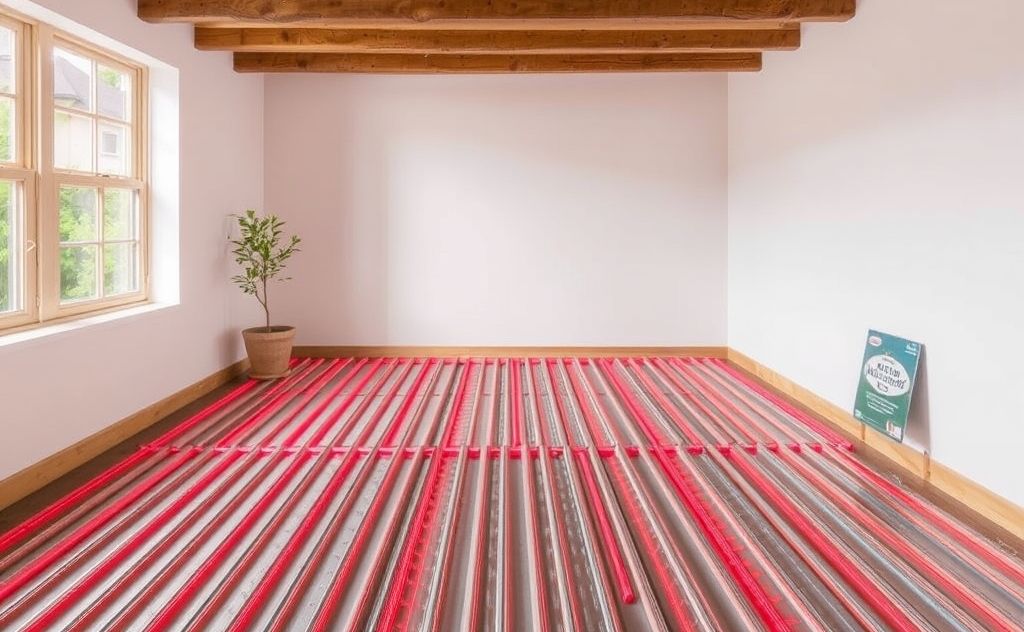
1. Insulation: Your First Line of Defense
Radiant heat rises naturally, but without proper insulation, up to 30% can escape through floors and walls. Here’s how to lock in warmth:
Floor Insulation Essentials
- Use R-11 to R-19 insulation under floors (higher R-values for colder climates)
- Install thermal barriers between concrete slabs and heating elements
- Consider cork underlayment – it provides R-3 to R-4 per inch
Wall and Ceiling Upgrades
| Area | Recommended R-Value |
|---|---|
| Attics | R-38 to R-60 |
| Exterior Walls | R-13 to R-21 |
| Basement Walls | R-10 to R-15 |
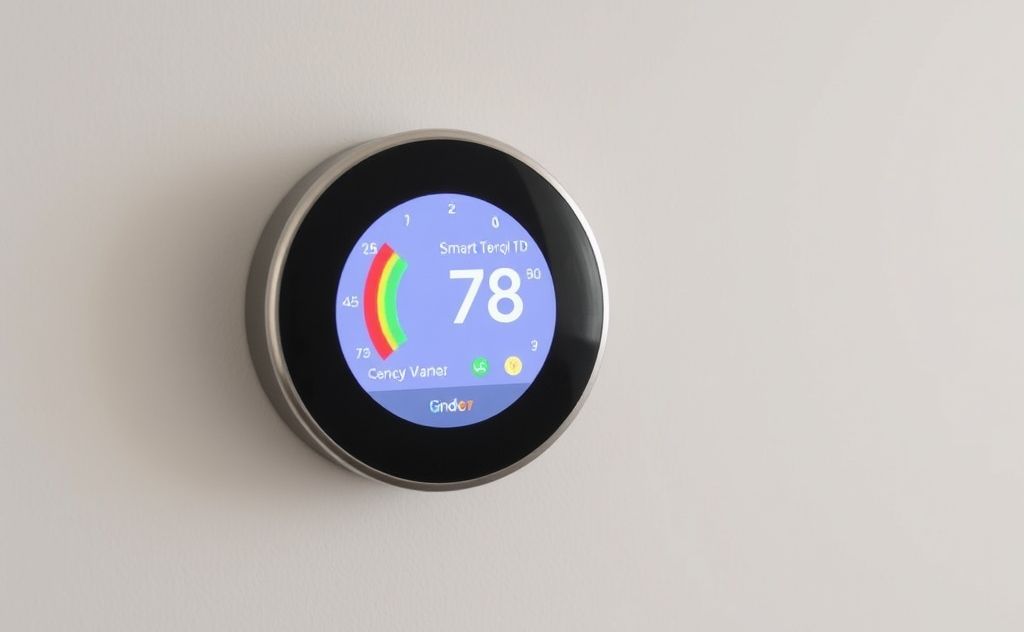
2. Smart Thermostats: The Brain of Your System
According to U.S. Department of Energy, proper thermostat use can save 10% annually on heating bills.
Installation Pro Tips:
- Place thermostats on interior walls away from drafts
- Install at 52-60″ height for accurate readings
- Use WiFi models like Nest or Ecobee for remote control
3. Zoning: Heat Where You Need It
Divide your home into separate heating zones controlled by individual thermostats. This allows:
- Different temperatures for bedrooms vs living areas
- Reduced heating in unused spaces
- Up to 25% energy savings according to thermostat control experts
4. Proper Sizing Matters
Oversized systems cycle on/off frequently, wasting energy. Undersized systems run constantly. Use this formula:
BTU Requirement = (Room Sq Ft × 10) + (Window Sq Ft × 20) + (Door Sq Ft × 20)
Example: A 200 sq ft room with 15 sq ft of windows needs (200×10)+(15×20) = 2,300 BTUs
5. Flooring Choices Impact Efficiency
Different materials conduct heat differently:
- Best: Tile, stone (conducts heat well)
- Good: Engineered wood, laminate
- Worst: Thick carpet (adds R-2 to R-4 insulation)
6. Air Sealing: Stop Heat Escape Routes
Seal these common leakage points with caulk or spray foam:
- Baseboards
- Window/door frames
- Electrical outlets on exterior walls
- Plumbing penetrations
7. Maintenance for Peak Performance
Keep your system running efficiently with:
- Annual professional inspections
- Monthly filter changes (if applicable)
- Bleeding air from hydronic systems
- Checking check valves and pumps
Implement these strategies during installation and enjoy lower energy bills for years to come. Radiant heating done right is one of the most efficient ways to warm your home.
Related pick: Check today's price on Amazon

I am a mechanical engineer and love doing research on different home and outdoor heating options. When I am not working, I love spending time with my family and friends. I also enjoy blogging about my findings and helping others to find the best heating options for their needs.
Related guides

How to Choose the Best Location for Your Portable Heater
To choose the best location for a portable heater, ensure it's on a flat surface, away from flammable…
Essential Tools for Installing an Infrared Heater Safely
To install an infrared heater, you'll need tools like a drill, screwdriver, level, measuring tape, and appropriate mounting…
Essential Safety Checks After Oil Heater Installation
To check safety after oil heater installation, inspect for leaks, ensure proper ventilation, test the thermostat, and verify…
