

To extend the lifespan of your pellet stove, regularly clean the burn pot, inspect and maintain the venting system, and use high-quality pellets for optimal performance.
Pellet stoves offer efficient, eco-friendly heating – but only with proper care. Follow these expert maintenance strategies to keep your stove running safely for 15+ years while maximizing heat output and minimizing fuel costs.

Split Open and Melt
Split Open and Melt Magnesium Chloride Pellets…
- Expertly designed to melt ice swiftly in temperatures as low as -13°F (-25°C), these pellets are an ideal solution for maintaining…
- Proven through independent testing to be gentle on concrete, these pellets significantly reduce the risk of damage to sidewalks an…
- Safer for children & pets with a low-toxicity formula (almost three times less toxic than common table salt and eight times less t…
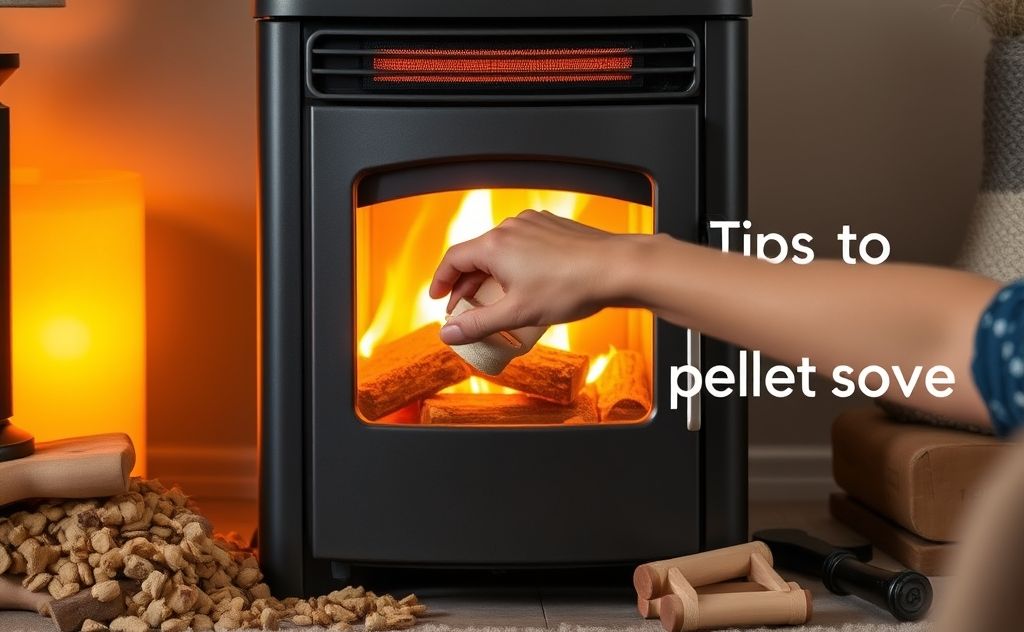
Daily and Weekly Cleaning Essentials
Ash buildup is the #1 enemy of pellet stoves. Implement this cleaning routine:
Daily Tasks
- Empty ash pan when 1/2 full (prevents airflow restriction)
- Wipe glass with damp newspaper (avoids chemical cleaners)
- Check hopper for pellet dust (reduces auger jams)
Weekly Deep Cleaning
- Shut down and cool stove completely
- Vacuum burn pot and heat exchanger fins
- Clean exhaust blower with stiff brush
- Inspect door gaskets for tight seal
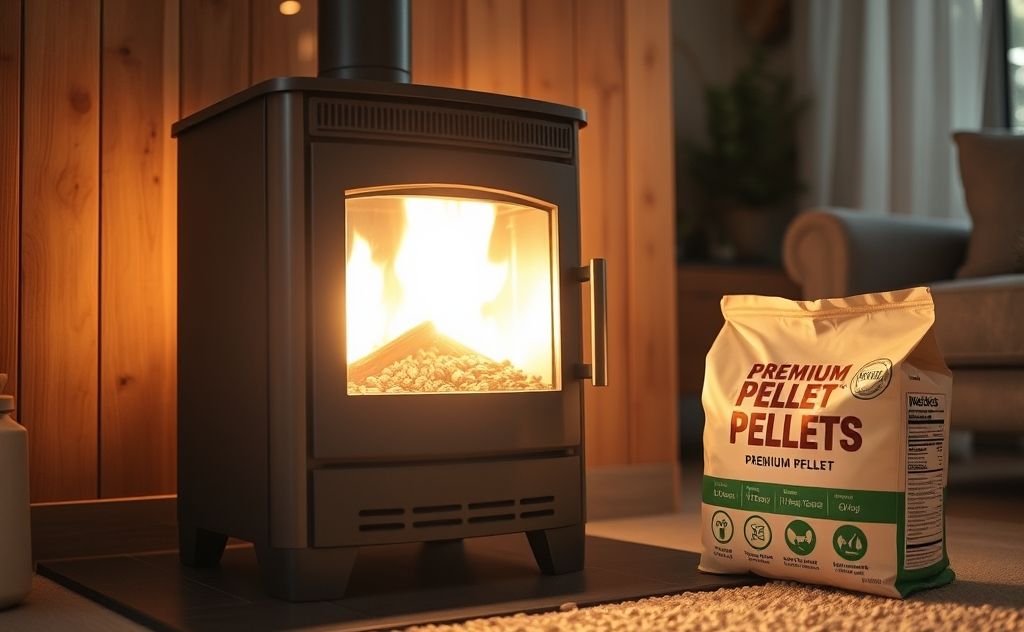
Fuel Quality Matters
Premium pellets prevent 80% of common stove issues:
| Pellet Grade | Ash Content | Moisture | Price/Ton |
|---|---|---|---|
| Premium | <1% | <8% | $300-$400 |
| Standard | 1-3% | 8-10% | $200-$300 |
Always store pellets in dry conditions – moisture causes expansion and auger jams. Consider a built-in storage solution for convenience.
Professional Annual Maintenance
DIY cleaning isn’t enough. Schedule professional service to:
- Test combustion efficiency (should be >85%)
- Calibrate thermostat and sensors
- Lubricate motors and bearings
- Inspect venting system for leaks
According to chimney safety experts, neglected stoves lose 3-5% efficiency each year.
Critical Replacement Parts
These components wear out first – replace proactively:
Every 1-2 Years
- Door gaskets
- Auger motor brushes
- Igniter rods
Every 3-5 Years
- Combustion blower
- Convection fan
- Control board
Keep spare parts like thermostat controls on hand for quick repairs.
Optimal Operation Practices
How you use your stove impacts longevity:
- Run at medium-high settings (prevents creosote buildup)
- Avoid frequent on/off cycling (stresses electrical components)
- Maintain room temp above 60°F (prevents condensation)
- Use surge protector (safeguards electronics)
The Stove Shoppe recommends burning 1-2 loads daily in shoulder seasons to keep components moving.
Venting System Care
Proper exhaust flow prevents dangerous backdrafting:
- Inspect vent pipes quarterly for soot buildup
- Check exterior termination cap for obstructions
- Ensure 1″ clearance from combustible materials
- Verify draft pressure annually (3-5 Pa ideal)
Off-Season Storage
Prepare your stove for summer dormancy:
- Perform final deep cleaning
- Run stove dry before shutdown
- Apply light oil to auger shaft
- Cover with breathable fabric (no plastic)
- Remove batteries from thermostat
Related pick: Check today's price on Amazon

I am a mechanical engineer and love doing research on different home and outdoor heating options. When I am not working, I love spending time with my family and friends. I also enjoy blogging about my findings and helping others to find the best heating options for their needs.
Related guides
Pellet Stoves and Your Indoor Air Quality
You're considering a pellet stove, drawn by the cozy ambiance and heating efficiency. But a nagging question remains:…

Pellet Stove Maintenance: 7 Essential Tips for Peak Performance
Regular maintenance of pellet stoves includes cleaning the burn pot, checking the exhaust system, and ensuring proper fuel…
Pellet Stove Safety: Essential Tips for Safe Operation
Pellet stoves are generally safe when properly installed and maintained, featuring automatic shut-off systems and cool-to-the-touch exteriors to…