

To customize radiant heater installation, assess your space’s layout, insulation, and heating requirements, then choose suitable heater types and placement for optimal efficiency.
Radiant heaters provide efficient, comfortable warmth when installed correctly. Customizing your installation ensures optimal performance for your specific space and needs. This guide covers key considerations for tailored radiant heating solutions.

Radiant Solutions Company
Radiant Solutions HeatTapePro Self-Regulating Heat Cable for…
- Intelligent: The only cable in the world with patented GlowCap technology, which allows you to verify cable is operating properly…
- Heavy Duty: Heat Tape Pro is a commercial-grade self-regulating heat cable that substantially outperforms cheap Chinese cables wit…
- Warranty: Best-in-Industry 10 year warranty - UL Listed - WILL NOT short or burnout if cable is overlapped, certified for use on f…
Assessing Your Heating Requirements
Proper sizing is crucial for radiant heater performance. Consider these factors:
Space Dimensions
- Measure room length, width and ceiling height
- Account for windows, doors and exterior walls
- Note insulation quality in walls and ceilings
Heat Output Needs
Calculate BTU requirements based on:
- Climate zone and average temperatures
- Room usage patterns (constant vs intermittent)
- Existing heat sources in the space
Installation Types and Methods
Floor-Based Systems
Ideal for whole-room heating. Options include:
- Hydronic tubing in concrete slabs
- Electric mats under flooring
- Low-profile systems for retrofits
Wall and Ceiling Mounts
Perfect for targeted heating:
- Wall panels for vertical heat distribution
- Ceiling-mounted infrared units
- Combination systems for large areas
Control and Zoning Options
Modern thermostats offer precise management. Consider:
| Type | Features | Best For |
|---|---|---|
| Basic Manual | Simple temperature adjustment | Small spaces, budgets |
| Programmable | Daily/weekly schedules | Consistent schedules |
| Smart WiFi | Remote access, automation | Tech-savvy users |
For larger homes, zone control systems allow different temperatures in each area.
Special Considerations
Flooring Materials
Heat transfer varies by surface:
- Tile and stone – excellent conductors
- Wood – moderate, depends on thickness
- Carpet – requires special underlayment
Safety Features
Essential components include:
- GFCI protection for electric systems
- Temperature limit switches
- Proper clearance from combustibles
Professional vs DIY Installation
While some electric systems are DIY-friendly, professional installation is recommended for:
- Hydronic systems requiring plumbing
- Whole-house radiant heating
- Complex zoning configurations
According to ProLine Radiant, proper system design is critical for performance and efficiency.
Maintenance and Optimization
Keep your system running efficiently with:
- Annual professional inspections
- Regular filter changes (forced air systems)
- Thermostat calibration checks
For outdoor applications, consider specialized radiant solutions designed for patios and exterior spaces.
Related pick: Check today's price on Amazon

I am a mechanical engineer and love doing research on different home and outdoor heating options. When I am not working, I love spending time with my family and friends. I also enjoy blogging about my findings and helping others to find the best heating options for their needs.
Related guides

Top Infrared Heater Installation Mistakes to Avoid
Avoid improper sizing, neglecting electrical requirements, ignoring safety clearances, and failing to follow manufacturer instructions during infrared heater…
How to Fix Common Oil Heater Errors After Installation
To fix common errors after oil heater installation, check for proper fuel supply, ensure venting is clear, and…
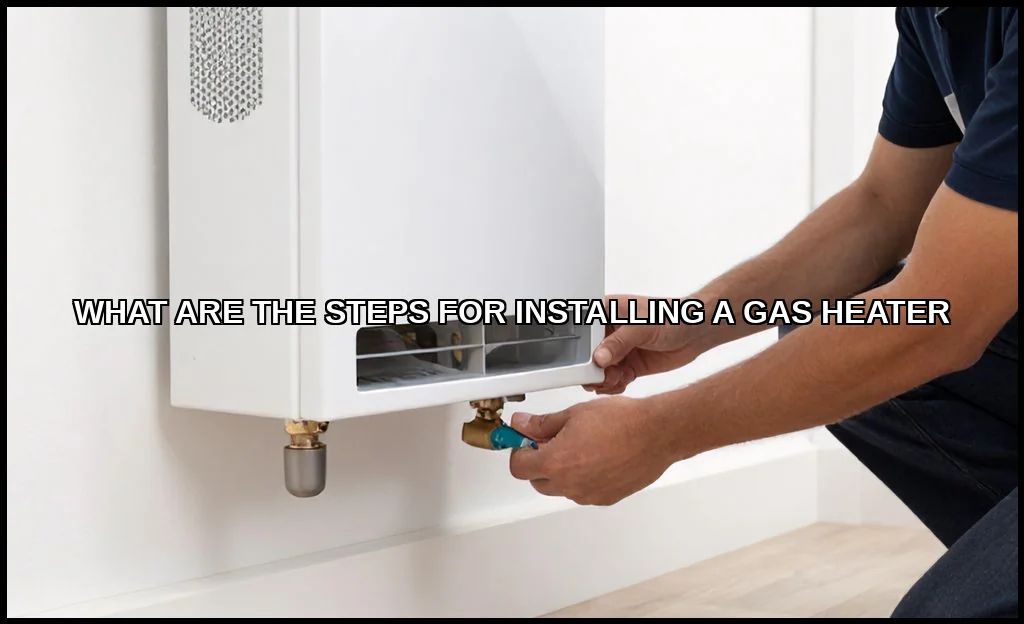
How to Install a Gas Heater: Key Steps & Safety Tips
Installing a gas heater is a significant home improvement project. It promises reliable warmth and efficiency, but it…
