Skip to content

Expert home heating guides, reviews & repairs

Heater GuidesHeaterGuides
Maintenance

Clean Baseboard Heaters in Under an Hour: Step-by-Step

Straight answer
Cleaning baseboard heaters involves dusting, vacuuming, and wiping the fins and casing, usually taking 30 to 60 minutes. It’s a straightforward DIY job if you follow safety steps and have simple tools.

Baseboard heaters work quietly to warm your rooms, but dust and debris can reduce their efficiency. Cleaning them before winter helps maintain heat output and air quality.

This guide walks you through the tools you’ll need, safety warnings, step-by-step cleaning, common mistakes to avoid, and when professional help or permits are required.

How to Clean Baseboard Heaters Safely and Effectively

To clean baseboard heaters, shut off the power and let the unit cool, then remove loose dust, vacuum the fins, and wipe the fins and casing with a barely damp cloth; plan on 30 to 60 minutes for a normal room. A convection heater needs clear air passages around its metal fins, while a radiant heater mainly needs dust removed from its heating surface and cover without bending or scratching the element.
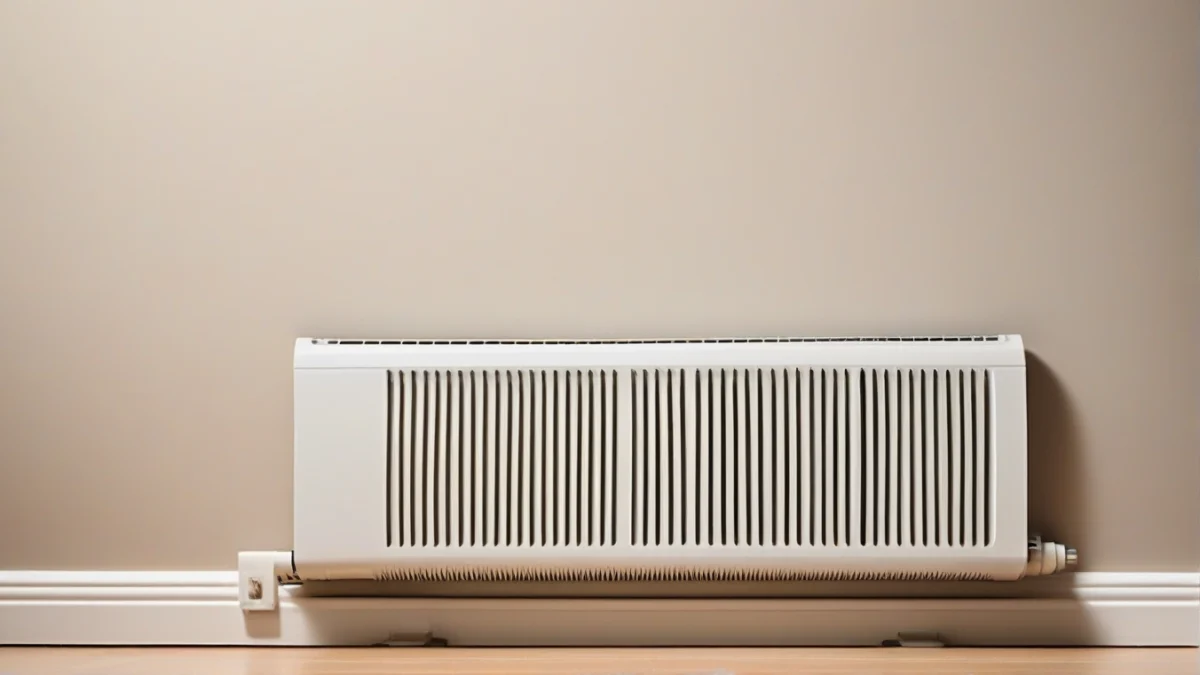
a well-maintained baseboard heater with no dust visible
A clean baseboard heater demonstrates effective cleaning methods.
Shut Off Power First
Turn the thermostat down, switch off the heater’s circuit breaker, and confirm the unit is cool before opening or cleaning it. A thermostat set to OFF may stop heating without disconnecting power. Never spray cleaner into the heater, poke tools between fins, or force a cover that resists removal; electric parts and sharp metal edges are both waiting to make a bad afternoon.
Simple Supplies
Vacuum with a brush attachment or a soft-brush vacuum nozzle
Soft-bristled brush, microfiber cloths, or an old clean paintbrush
Screwdriver if the manufacturer’s cover design requires one
Warm water and a small amount of mild dish soap
Flashlight and a small container for removed screws
1
1. Turn Off and Cool the Heater
Set the room thermostat to its lowest setting, then switch off the correct breaker if the heater is electric. For a hot-water baseboard, turn the thermostat down and wait until the pipe and fins are cool enough to touch; don’t loosen a valve, fitting, or pipe while cleaning. Give the unit enough time to cool before putting your hands near the metal.
2
2. Remove the Loose Dust
Take off the front cover or top grille only if it is designed to come off. Use a soft brush to loosen dust from the grille, the back of the cover, and the space along the floor. Work gently from top to bottom so you don’t push a packed layer of lint deeper into the fins.
3
3. Vacuum the Fins and Interior
Run the vacuum brush along the fins, the heater’s bottom channel, and the wall-side opening. On a convection heater, clean between the vertical fins because blocked gaps slow the movement of warm air. On a radiant model, vacuum the face and nearby cover without pressing on the heating panel or element.
4
4. Wipe the Surfaces
Dampen a microfiber cloth with warm water and mild dish soap, wring it nearly dry, and wipe the cover, grille, wall-side ledge, and exposed metal surfaces. Keep moisture away from wiring, thermostats, electrical connections, and the inside of the heater. A dry cloth should follow the damp one so no water remains on the metal.
5
5. Refit the Cover and Check the Airflow
Replace the cover and any screws without overtightening them. Look along the entire heater for curtains, furniture, rugs, toys, or other items blocking the openings; baseboard heaters need open space for air to circulate. If you see rust, a loose wire, scorch marks, a damaged cover, or water around a hot-water baseboard, stop cleaning and arrange a repair instead of turning the unit back on.
Work in Small Sections
Clean one short length of baseboard at a time and use the flashlight to check behind the fins. A thin layer of dust is easy to miss from above, especially where the heater meets the floor.

Electric baseboard heaters can usually be cleaned in place, but the exact cover-release method varies by model. If you need installation or wiring information rather than cleaning instructions, use this installation guide for baseboard heaters; cleaning shouldn’t become an excuse to disturb a live connection or a hot-water fitting.

Tools and Parts Needed to Clean Baseboard Heaters

To clean baseboard heaters, gather a vacuum with a brush attachment, a soft brush, a microfiber cloth, a screwdriver, and mild detergent before you shut off the power or start removing the cover. Most jobs need household tools, not special heater-cleaning equipment.

vacuum, brush, cloth, and screwdriver arranged neatly
Essential tools for cleaning baseboard heaters are shown here.
Tools and Supplies
Vacuum cleaner with a brush attachment for loose dust
Soft, long-handled brush for the spaces around the fins
Microfiber cloth for the casing and thermostat cover
Screwdriver that fits the cover screws, if your model uses them
Mild detergent mixed with water for the outer casing only
Optional compressed air for stubborn dust, used outdoors or with care so dust doesn’t spread through the room

Check the heater parts before cleaning: the metal casing should sit straight, the fins should be evenly spaced, and the thermostat cover should be secure and free of dust. Look for bent fins, loose clips, discoloration, corrosion, or a damp spot around a hydronic unit. Don’t force a cover that seems attached to wiring or a valve.

Use Less Water
Put the mild detergent solution on the microfiber cloth rather than pouring or spraying it onto the heater. Wring the cloth until it’s barely damp, then wipe the casing and dry it afterward.

Compressed air can help with dust packed between fins, but a vacuum is easier to control indoors. If you use air, keep the nozzle back from the fins and wear eye protection; blowing dust into the room turns a cleaning job into a second cleaning job.

Mistakes That Can Damage Baseboard Heaters During Cleaning

The safest way to clean hot water baseboard radiators is to dust and vacuum the outside without disturbing the pipes, valves, or fittings; electric units need even more care because water can reach live electrical parts. Baseboard radiators with hot water can also leak if cleaning turns into an accidental plumbing repair.

Never Spray an Electric Heater
Don’t pour water or spray detergent into an electric baseboard heater. Moisture can contact the heating element, wiring, or thermostat and create a shock, short-circuit, or fire hazard. Apply cleaner to a cloth, keep it barely damp, and clean only the casing after the unit is cool and the circuit is off.
Protect the Fins
Don’t scrape, squeeze, or straighten fins with a screwdriver. The thin fins spread heat from the element or hot-water pipe; bending them restricts airflow and can leave sharp edges. A soft brush and a vacuum brush attachment remove dust without combing through the fins.
Keep Metal Out of the Fins
Avoid pushing a bare metal vacuum nozzle into the fin channels. It can bend the fins, scratch the element, or contact electrical parts. Use the vacuum’s brush attachment, and stop if the tool catches.

On a hot-water system, don’t loosen a bleeder valve, union, valve packing nut, or pipe connection just because it looks dusty. Those parts hold system water or control flow. A damp joint, rust trail, hissing sound, or pressure change deserves attention before the heater is put back into service.

Improper reassembly can cause poor heating or a leak. Refit the cover, end panels, clips, and screws in their original positions without pinching a wire, pressing against a pipe, or blocking the thermostat. A cover left loose can rattle; a cover installed against the fins can restrict airflow or bend them.

Photograph Before Removing Parts
Take a quick photo of the cover, clips, thermostat cover, and any visible valve before disassembly. If a hydronic cover has to move around a pipe, the photo gives you a reference without guessing at the final fit.

If water appears after cleaning, shut off the heat source if you can do so safely and keep clear of hot surfaces. Don’t cap, tape, or tighten an unfamiliar fitting while the system is hot; have the leak assessed before restoring normal operation.

Hiring a Licensed Pro and When Permits Are Required for Baseboard Heater Cleaning

Routine baseboard heater cleaning is a DIY task, but plumbing, gas, and electrical work belongs to a licensed professional. If you’re asking, “Can I clean my hot water heater myself?” you can dust and vacuum the outside of the baseboard radiator, but don’t open boiler controls, disconnect water fittings, or drain the system unless you understand that equipment and local rules.

Baseboard heating installation and baseboard heater installation are separate jobs from cleaning. Replacing an electric heater, adding a thermostat, changing wiring, moving a radiator, or altering a hot-water pipe can require a permit, inspection, or licensed trade. Permit rules depend on your city, county, and state, so check local code before buying parts or opening a junction box.

JobDIY limitCall a pro when
Dust, vacuum, and wipe the casingUsually suitableThe cover or fins are damaged and won’t come off safely
Replace a thermostat or heaterFollow the manual only if local rules allow itWiring, voltage, or circuit capacity is uncertain
Work on hot-water baseboardClean the outside onlyA valve, pipe, fitting, boiler, or pressure issue is involved
Work near gas equipmentKeep the cleaning externalA burner, flue, gas line, pilot, or vent needs attention
Cleaning stops at the point where the heater’s fuel, water, or electrical circuit changes.
Stop for safety
Turn off the breaker before opening an electric unit, and let hot-water equipment cool before touching it. Never bypass a safety switch, cap a relief valve, disturb a flue, or restart gas equipment with a damaged vent. A professional can check clearances, wiring, water pressure, combustion, and code compliance instead of turning a dusty heater into a winter repair.

New or altered electric wiring requires a licensed electrician to verify the circuit and thermostat match the heater. Hot-water or gas systems need a licensed plumber or heating technician for fittings, valves, venting, and inspections. Refer to this baseboard heating installation guide for installation details.

What To Do Next After Cleaning Your Baseboard Heaters

After you clean baseboard heaters, restore power only after every surface is dry and the cover, grille, and damper are seated correctly. Then check that the heater responds to the thermostat without unusual noise, odor, smoke, leaking water, or a repeatedly tripping breaker.

1
Test the thermostat
Raise the setting a few degrees above room temperature and confirm the heater starts. Lower it again and check that the heater shuts off; electric fins may remain warm briefly.
2
Inspect the heat path
Keep furniture, curtains, rugs, and storage clear of the heater. For a system with forced-air equipment, check the furnace filter and make sure supply and return vents are open.
3
Look for warning signs
Watch for a hot electrical smell, sparking, water at a valve or pipe, banging that wasn’t there before, or a heater that stays on after the thermostat is lowered. Shut the system down and arrange service for those problems.
4
Schedule the next cleaning
Clean before the heating season and again if dust builds up quickly, especially in rooms with pets, remodeling dust, or carpeting. A quick vacuum during the season takes less time than clearing a packed grille in January.

Keep the maintenance details with your heating records, including the date cleaned and any noise, odor, or performance change you noticed. For the broader upkeep routine, see these baseboard heater maintenance tips.

Questions People Ask

How often should I clean my baseboard heaters?
Clean them at least once before the heating season, then check again when dust or pet hair builds up. Homes with pets, shedding, remodeling dust, or carpeting may need cleaning every few months because blocked fins reduce airflow.
Can I use water or cleaning sprays on electric baseboard heaters?
Use only a barely damp cloth on the outer casing, with the heater switched off and cool. Keep water, spray cleaner, and detergent away from the heating element, wiring, thermostat, and wall, since trapped moisture can cause corrosion or an electrical fault.
What signs indicate my baseboard heater needs professional servicing?
A burning smell that remains after cleaning, repeated breaker trips, sparking, damaged wiring, unusual noises, or sections that stay cold call for professional service. For a hot water unit, water around a valve or fitting, corrosion, persistent air noises, or a drop in heat may point to a plumbing or boiler problem.
Are there special considerations for cleaning hot water baseboard radiators?
Yes: clean the fins and cover without moving the copper pipe, valves, or fittings, and never use the heater as a handhold. If you find a leak, shut off the heat source if you can do so safely and arrange service; cleaning won’t fix a leaking connection or remove air from the loop.
Where to go next
thermostats for electric baseboard heatersCompare thermostat features that control electric baseboard heat.
electric baseboard heatersLearn how electric baseboard heaters are sized and specified.
baseboard space heaters explainedSee how built-in baseboard space heaters provide quiet room heat.
Share
Written by Joye

I am a mechanical engineer and love doing research on different home and outdoor heating options. When I am not working, I love spending time with my family and friends. I also enjoy blogging about my findings and helping others to find the best heating options for their needs.

Keep reading

Related guides

Free newsletter

Heater deals and guides, worth opening

Price drops, new guides and safety recalls. One email, only when it matters.

No spam. Unsubscribe in one click. Privacy policy.