High Efficiency Heating and Cooling Systems for Homes: What Actually Works
Joye
Updated September 29, 2026 15 min read
Straight answer
High efficiency heating and cooling systems for homes use less energy to deliver the same comfort as older setups, cutting bills and emissions. A system’s efficiency rating, like SEER2 for cooling or AFUE for furnaces, tells you how much heat or cool you get per unit of energy. An inverter mini split is a ductless heat pump that heats and cools using variable-speed technology for better efficiency than most central systems.
A high efficiency system can cut your energy use in half compared to a 20-year-old furnace or AC, but the sticker on the box only tells part of the story. One number—like a SEER2 of 22 or an AFUE of 95%—can mean hundreds saved each year, or a system that struggles in your coldest room.
The type you choose, the way your house holds heat, and how you actually use each room all matter. Here’s how the different systems work, what those ratings mean, and which one fits which job.
High Efficiency Heating and Cooling Systems for Homes
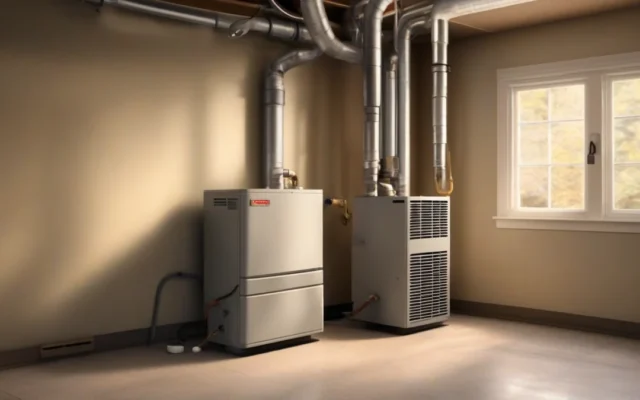
High efficiency heating and cooling systems for homes deliver the same indoor comfort with less purchased energy, so the useful comparison is output per unit of electricity or fuel, not the biggest BTU label. Among energy-efficient home heating options, a properly sized heat pump is often the most efficient home heating unit in a moderate climate because it moves heat; a condensing furnace or well-designed radiant system can fit better where gas, colder weather, or existing hydronic piping shape the choice.
An inverter mini split is a ductless heat pump that adjusts its compressor speed to match heating or cooling demand instead of cycling fully on and off every few minutes. This smooth operation can cut electricity use, although factors like cold outdoor air, defrost cycles, and backup heating affect actual efficiency. A condensing furnace extracts more heat from combustion exhaust using a secondary heat exchanger where water vapor condenses, turning more fuel into heat. Proper venting and condensate drainage are essential for safe operation. Radiant floors, walls, and panels heat surfaces and people directly, but their overall efficiency depends mainly on the heat source and operating temperature, not just the “radiant” label. The refrigerant cycle behind heat pumps is described in how HVAC systems use heat pumps for efficient heating and cooling.
Rating
What It Measures
How to Read It
SEER2
Seasonal cooling output per watt-hour
Higher generally means less electricity for the same cooling load.
HSPF2
Seasonal heat-pump heating output per watt-hour
Higher generally means less electricity for the same heating load.
AFUE
The share of fuel energy delivered as furnace heat
A 95% AFUE furnace delivers about 95 units of heat from each 100 units of fuel.
COP
Heat delivered divided by electric energy used at a stated condition
COP 3 means three units of heat for each unit of electricity; the number changes with conditions.
SEER2 and HSPF2 are seasonal measures; COP is a point-in-time ratio.
3×
Heat output at COP 3
At COP 3, 1 kWh of electricity provides three units of heat. Resistance heat needs about 3 kWh for the same heat, so at an assumed $0.17 per kWh the comparison is $0.17 versus $0.51. Actual heat-pump COP changes with outdoor temperature.
BTU and tonnage tell you capacity; efficiency ratings tell you the energy cost of producing that capacity. A larger furnace or air conditioner isn’t automatically cheaper to run, and two systems with the same capacity can have different SEER2, HSPF2 or AFUE ratings. Correct sizing still matters: an oversized system may cycle too often, while an undersized heat pump may rely more heavily on electric backup.
1
Find the matched equipment
Record the model numbers for the indoor and outdoor units, or the furnace and air handler. Split-system ratings apply to the matched combination, not always to one cabinet by itself.
2
Read the right rating
Use SEER2 for cooling, HSPF2 for heat-pump heating, AFUE for a furnace and COP when a heat pump’s performance is given at a specific outdoor temperature.
3
Check what the rating leaves out
Look for duct leakage, electric backup heat, thermostat settings, filter condition and installation quality. Those factors can push real energy use above the rating’s test result.
A Rating Isn’t a Bill Guarantee
SEER2, HSPF2 and AFUE come from standardized test methods, while your weather, insulation, ductwork, fuel price and thermostat habits decide the bill. Don’t rank a 95% AFUE furnace against a COP 3 heat pump by treating the numbers as if they were the same scale; compare the energy each system uses for the heat your house actually needs.
Compare the Major Types: What Fits Where
The most efficient home heating method is usually a geothermal or air-source heat pump, while the most cost-efficient choice depends on your climate, insulation, fuel prices and installation cost. Electric resistance converts nearly all of its electricity into heat at the room, but a heat pump can move several units of heat indoors for each unit of electricity under suitable conditions.
This air-source heat pump offers efficient home heating.
For an efficient gas home heating system, choose a sealed-combustion condensing furnace or boiler, commonly rated around 90% to 98% AFUE. High-efficiency propane heating systems use the same basic technology, but propane prices and delivery costs decide if the fuel still makes financial sense. Energy-efficient radiant heating systems can feel comfortable at lower air temperatures, though the boiler, heat pump or electric source feeding them determines the real efficiency.
System
Best fit
Efficiency measure
Install cost
Running cost
Typical life
Inverter mini split
Well-insulated homes, additions, zoned rooms, mild to cold climates
SEER2 for cooling; HSPF2 or COP for heating
Medium
Low to medium
12–20 years
Condensing furnace
Homes with existing gas ducts and cold winters
90–98% AFUE
Medium
Low to medium
15–20 years
Geothermal heat pump
Long-term ownership, suitable yard or borefield, heating and cooling together
COP and EER
High
Low
20–25 years indoors; ground loops last longer
Radiant floors
New construction or major floor renovation
Depends on heat source and water temperature
Medium to high
Low to medium
20–30 years for tubing
High-efficiency boiler
Homes with hydronic baseboards or radiators
Around 90% AFUE or higher
Medium to high
Low to medium
15–25 years
Electric resistance
Small, well-insulated rooms or backup heat
Nearly 100% at the room
Low
High
10–20 years
Pellet or wood stove
Rural homes with dry fuel storage and a proper chimney
Listed combustion efficiency
Medium to high
Low to medium
10–20 years
Solar assist
Homes with good solar exposure and another heating source
System-dependent
High
Low after installation
Component-dependent
Cost labels compare typical project size, not a quote. Existing ducts, wiring, chimney work and local labor can change the ranking.
An inverter mini split fits a house with separate rooms, limited ductwork or an addition where extending ducts would be expensive. Its variable-speed compressor adjusts output instead of cycling full blast, and individual indoor units let you heat only occupied zones. Product 1 is aimed at multi-room zoning, with four indoor zones, a 22.5 SEER2 cooling rating and stated heating operation down to -13°F; confirm the local electrical and installation requirements before ordering.
Useful for zoning several rooms
TURBRO 36,000 BTU 4 Zones Mini Split AC/Heating System
Product 1 makes the most sense for a well-insulated home that needs separate temperatures in up to four areas and wants one ductless system for heating and cooling.
A condensing furnace or boiler is often the practical winner in a cold home that already has gas piping, ducts or hydronic radiators. The sealed combustion chamber extracts more heat from the flue gas, but the vent, condensate drain and combustion-air setup add installation details. Propane versions work best where propane delivery is reliable and a heat pump struggles during long, severe cold spells.
Geothermal can deliver the lowest heating energy use across a long service life because the ground stays more stable than winter air, but drilling or trenching can dominate the project cost. Radiant floors suit new floors and major remodels; slow response makes them a poor match for rooms you heat for only an hour. Electric resistance is simple and quiet, yet high electricity rates make it a weak whole-home choice.
Worked Example: Two Different Climates
Say two equally insulated homes need 30,000 BTU per hour on a cold design day. In a mild climate, an inverter heat pump may cover most heating hours efficiently while also cooling in summer. In a very cold climate, a heat pump with properly sized cold-weather capacity plus resistance or furnace backup may cost less to install and operate than forcing one system to handle every extreme. The right comparison uses local design temperature, utility rates and the system’s cold-weather capacity—not the largest number on the brochure.
Mild climateHeat pump carries most heating hours
Severe coldHeat pump plus backup may fit better
Key checkCold-weather capacity at local design te
Good matches
Mini splits for zoning and homes without ducts
Condensing furnaces for existing gas ductwork
Geothermal for long-term ownership and combined heating/cooling
Radiant floors for new construction or major remodels
Common mismatches
Electric resistance for whole-home heating where electricity is costly
Wood or pellets without dry storage, chimney capacity or regular maintenance
Solar assist as the only heat source
High-cost geothermal projects with a short ownership plan
Never Bring Outdoor Heat Indoors
Patio, torpedo and construction heaters are not indoor heating systems. Their exhaust can create carbon monoxide, and opening a garage door or window doesn’t make an unsafe appliance safe; use only an indoor-rated heater with the ventilation, clearances and working CO alarm required by its manual.
High Efficiency Systems Worth Considering
These inverter systems use variable-speed operation and high SEER2 ratings to reduce cooling energy while giving you room-by-room or single-zone control.
Four-zone comfort
TURBRO 4-Zone Inverter Mini Split
The 22.5 SEER2 rating and inverter technology suit a home where unused rooms shouldn’t be cooled or heated like occupied ones. Its four-zone layout gives you individual room control, while the heat pump is rated for heating as low as -13°F.
This system makes sense when one indoor unit can cover the space: its 19 SEER2 rating and HSPF2 8.5 support efficient year-round heating and cooling. ECO mode, four fan speeds and dry mode give you useful control without adding ductwork.
Energy efficient heating systems cost less to run when their efficiency matches your fuel rates, insulation and winter weather; the most efficient home heating is usually a heat pump, while the most cost efficient home heating depends on what you pay for electricity, gas, oil or propane. A cheap fuel can beat a higher-efficiency system on monthly cost, so calculate before you crown a winner.
1
Find your actual rates
Use the delivery section of your electric bill for the price per kWh, including supply and delivery charges if you want a realistic comparison. Check the gas bill for dollars per therm, and your latest invoice for the per-gallon price of heating oil or propane. Avoid comparing a fuel-only rate with an electric rate that includes all fees.
2
Convert the equipment use
For electricity, use watts ÷ 1,000 × hours run × price per kWh. A fuel system needs fuel used × price per unit; its BTU rating tells you the heat in each unit, while AFUE tells you how much reaches the house. A heat pump’s COP changes with outdoor temperature, so use the seasonal estimate from its specifications when available.
Useful for this step
Rellytech Mini Split AC/Heating System
Product 2 gives you 19 SEER2 for cooling, HSPF2 8.5 for heating and an ECO mode, so it’s a sensible comparison point after you’ve entered your own electricity rate and hours.
Illustrative rates and fuel use; replace them with your bill and the heater’s measured or rated consumption.
Worked example
Say a 1,500 W heater runs for 8 hours on a $0.17/kWh electric rate: 1,500 ÷ 1,000 × 8 × $0.17 equals $2.04 for that night, or about $61.20 over 30 nights. A heat pump may use less electricity for the same heat, but a cold snap can reduce its capacity and efficiency, while a mild day lets it run much more cheaply. Seasonal energy efficiency matters because the hardest weather creates the longest run times and the least favorable operating conditions.
Use your thermostat history
If your utility offers time-of-use pricing, shift water heating or other flexible loads away from expensive hours rather than simply raising the thermostat. A one-degree change maintained for several days is easier to price honestly than a guess based on the heater’s maximum rating.
Improve Efficiency Without Replacing Everything
The best ways to improve home heating system efficiency are to stop heat leaks, correct control problems and maintain the equipment before buying a replacement; those changes can matter more than swapping one radiator for another. Start with the house envelope, because a high-efficiency heater still has to pay for every draft.
Improving seals can enhance heating efficiency significantly.
Find the easy losses
Seal drafts around doors, windows, plumbing penetrations and attic access with suitable caulk or weatherstripping.
Add insulation where the attic, rim joists or exposed ducts are thin, while keeping required vents and clearances open.
Replace a clogged furnace filter with the size and type the manufacturer specifies; a restrictive filter can reduce airflow.
Keep supply and return grilles clear of furniture, curtains and rugs.
Check that duct joints are sealed and that unconditioned-space ducts are insulated.
1
Improve control
A programmable or smart thermostat can reduce heating while you’re asleep or away, but verify that it supports your system, especially heat pumps, two-stage equipment or electric baseboards. Zoning can help when rooms have genuinely different schedules; poorly balanced zones may add complexity without saving energy.
2
Service the heat source
Have fuel-burning equipment inspected and venting checked by a qualified technician on the manufacturer’s schedule. Clean outdoor heat-pump coils and keep the outdoor unit clear of leaves and snow without blocking airflow. Never cover a combustion vent or remove a safety control.
3
Tune the radiators
For hydronic central heating, make sure each radiator can release heat and that its valve operates freely. A tall panel or finned radiator can provide more surface area in the same wall space, but water temperature, insulation and thermostat control usually matter more than shape alone.
Know the limit
Sealing a drafty room or adding attic insulation can produce a noticeable improvement; replacing a sound radiator with a different shape often won’t. If the boiler, furnace or heat pump is undersized, failing, badly installed or losing heat through open ducts, small adjustments won’t cure the main problem.
Use the low-cost habits first
Keep interior doors open only where airflow is intended, close blinds after sunset and don’t heat an empty space to the same temperature as an occupied one. A short maintenance visit and a correctly programmed thermostat are less glamorous than new equipment, but they tend to show up on the bill.
Before You Buy, Turn On, or Call for Help: A Pre-Season Checklist
For the most efficient heating, set the thermostat to the lowest temperature you find comfortable—often about 68°F while occupied—and lower it when sleeping or away if your system and household allow it. Use high efficiency heating equipment by matching its rating and capacity to your home, then run it with clean filters, steady settings and sealed ducts. Water heating efficiency improves when you set the tank or control to 120°F at the tap, fix hot-water leaks and insulate accessible hot-water pipes.
Before the First Cold Night
Replace or clean the air filter, and check that supply and return vents aren’t blocked.
Inspect door, window and duct seals for drafts or loose connections.
Test the thermostat in heating mode; replace its batteries if needed.
Clear leaves, snow, storage and combustibles from outdoor units, furnace rooms and heater clearances.
Press the test buttons on every carbon monoxide and smoke alarm; replace expired alarms.
Photograph the furnace, heat pump, water heater and thermostat labels, including model numbers and efficiency ratings.
Know When To Stop
Call a licensed professional for gas connections, combustion problems, venting, refrigerant work or electrical wiring. Never bypass a limit switch, remove a burner safety, cap a vent or guess at a 240-volt connection. A working CO alarm belongs near sleeping areas, and fuel-burning equipment needs the ventilation required by its manual.
Check Before You Buy
Look up local permit rules, utility rebates and current efficiency requirements before ordering equipment. Rebates may require approved models, professional installation or paperwork before the old system is removed; local code gets the final vote.
Frequently Asked Questions
Which home heating system is the most efficient in cold climates?
For lowest energy use, a ground-source heat pump usually leads because the ground changes temperature less than winter air. A cold-climate air-source heat pump can still work very well, but check its low-temperature capacity and the point where backup heat turns on. A poorly insulated house can erase much of either system’s advantage.
How do I know if my heating system is high efficiency?
Start with the equipment’s model number and published rating: furnaces and boilers use AFUE, while heat pumps use HSPF2 for heating and SEER2 for cooling. Compare the rating with current models using the same fuel and equipment type. Remember that AFUE describes the appliance, so leaky ducts, poor airflow and an unbalanced system can reduce what reaches your rooms.
Are electric heat pumps really cheaper to run than gas?
Sometimes—but the answer depends on your electricity rate, gas price, heat pump COP and furnace AFUE. For a rough comparison, gas cost for 100,000 delivered BTU is the price per therm divided by AFUE; a heat pump needs 100,000 ÷ (3,412 × COP) kWh, multiplied by your electricity rate. Electric resistance heat is a different case because it lacks the heat pump’s outdoor heat source and usually costs more to run.
What is the most efficient temperature to set my heating system?
A good starting point is about 68°F while you’re awake and comfortable, then a modest setback while sleeping or away. Heat pumps may use expensive backup heat during a large recovery, so a smaller setback or a heat-pump thermostat can work better than switching the system off. Keep enough heat during cold absences to protect plumbing, based on your home and local weather.
Can I improve efficiency without replacing my system?
Often, yes. Replace or clean the filter as the equipment manual directs, seal accessible duct leaks, keep supply and return registers open, and have airflow and combustion equipment checked before heating season. Weatherstripping and air-sealing can reduce the load the heater must meet, which helps an older system run for shorter cycles.
Are high efficiency systems worth the upfront cost?
They can be worth it when the equipment runs many hours, energy prices are high, and the upgrade also fixes an aging or poorly matched system. Divide the extra installed cost by the expected annual savings to get a simple payback; an upgrade costing $4,000 more and saving $400 a year has a 10-year payback before financing or repairs. A shorter stay in the home, mild weather or expensive electrical upgrades can favor keeping a sound existing system.
Keep reading
seasonal energy efficiencyShows how seasonal weather and system operation change heating and cooling efficiency.
I am a mechanical engineer and love doing research on different home and outdoor heating options. When I am not working, I love spending time with my family and friends. I also enjoy blogging about my findings and helping others to find the best heating options for their needs.