Heater That Requires No Electricity: What They Are and How They Work
On this page 6 sections
- Heater That Requires No Electricity: What They Are and How They Work
- How Running Costs Compare for Heaters That Use No Electricity
- Safety and Comfort When Using Heaters Without Electricity Indoors
- Infrared Heaters That Don’t Require Electricity: How They Differ
- Common Mistakes With Non-Electric Heaters and What They Cost You
- More Questions, Answered
When the power goes out or you want to avoid electrical costs, heaters that do not require electricity can keep you warm. These heaters burn fuel or use radiant heat to produce warmth without relying on an electric plug or battery.
Choosing the right non-electric heater means understanding how they work, their running costs, and safety considerations for indoor spaces.
Heater That Requires No Electricity: What They Are and How They Work
A heater that requires no electricity produces heat without using any electrical power, relying instead on burning fuel or radiant heat. These heaters include propane, kerosene, wood stoves, and certain infrared radiant models that operate without fans or blowers.

Propane heaters burn propane gas stored in tanks, producing heat through combustion. The chemical energy in propane changes to heat as the gas ignites, warming the air or objects nearby without any electric fan. Kerosene heaters work on the same principle, burning 1-K kerosene fuel with a wick and flame to create heat that radiates from the heater’s surface.
Wood stoves generate heat by burning wood logs in a firebox. The heat comes from the combustion of wood’s stored solar energy, transferring warmth directly to the room through the stove’s metal body and the hot exhaust gases vented outside. No electricity is needed for the fire or the stove’s heat output, though some models include electric fans that you can skip.
Infrared heaters without electricity work by emitting radiant heat waves that warm objects and people directly, rather than heating the air first. They don’t rely on electric fans or blowers; instead, a fuel flame or heated element radiates infrared energy that you feel as warmth. This radiant heat can be efficient in outdoor or drafty indoor spaces where air heating blows away quickly.
Safety basics apply to all these heaters: because they burn fuel, they produce carbon monoxide (CO), a poison you can’t smell or see. Proper ventilation and a working CO alarm are essential when using propane, kerosene, or wood heaters indoors. Never use outdoor-only models inside, and follow the manufacturer’s instructions carefully.
How Running Costs Compare for Heaters That Use No Electricity

If you want to heat a room without using much or any electricity, your options include propane and kerosene heaters that run purely on fuel combustion, as well as wood stoves. Gas heaters that don’t require electricity generally rely on standing pilots or manual ignition to light the burner, making propane heaters a common choice for indoor use without electric power.
Calculating running costs starts with the heater’s fuel burn rate and the local fuel price. For example, a propane heater might burn about 1 pound of propane per hour. Since a gallon of propane holds roughly 4.2 pounds and costs around $3.50 per gallon, that’s about $0.83 per hour (1 lb ÷ 4.2 lb × $3.50). Kerosene burns differently—assume roughly 0.2 gallons per hour at $4 per gallon, costing $0.80 per hour. A wood stove’s cost depends on cord prices, which vary widely, but at $250 per cord and burning 4 cords annually, that’s about $1.70 per day or roughly $0.07 per hour if you heat 24 hours, often less because stoves retain heat.
Efficiency changes how much fuel you use to get the same heat output. A modern EPA-certified wood stove can reach 70-80% efficiency, requiring less wood than an older, less efficient model. Propane and kerosene heaters vary between 80% and 99% efficiency, depending on design and maintenance. A less efficient heater burns more fuel per hour to deliver the same warmth, raising running costs.
Electric heat costs much more in running expense. A 1,500-watt electric heater running 8 hours uses 12 kWh. At 17 cents per kWh, that’s about $2.04 per night—two to three times the cost of propane or kerosene for comparable heat. Still, electric heaters offer convenience and safety features absent in fuel-burning models.
Among propane heaters for indoor use with no electricity, look for models with an oxygen depletion sensor and tip-over switch for safety. They often have simple rotary controls and don’t rely on electric fans, making them practical for emergency heating or backup.
| Heat source | Needs electricity? | What to check |
|---|---|---|
| Manual propane heater | Often no | Indoor rating, required ventilation and CO alarm |
| Direct-vent gas heater | Model-dependent | Ignition and thermostat power requirements |
| Gas water heater | Model-dependent | Electronic controls or power-venting may need power |
| Wood stove | No for basic operation | Listed clearances and a properly maintained chimney |
Safety and Comfort When Using Heaters Without Electricity Indoors
Indoor heaters that don’t require electricity mostly burn fuels like propane, kerosene or wood. Using them safely means paying close attention to ventilation and air quality.
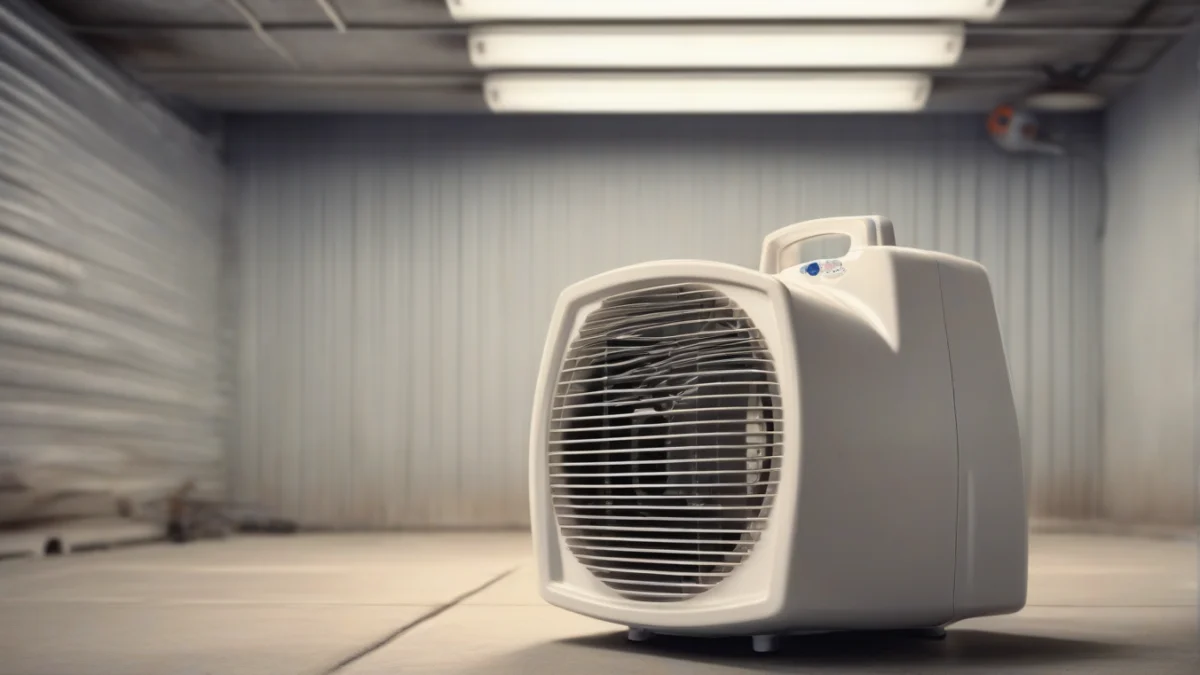
Combustion heaters consume oxygen and produce carbon monoxide (CO), a colorless, odorless gas that causes poisoning and can be fatal. That’s why any indoor fuel-burning heater must run where fresh air can enter the room. A closed room traps CO and exhaust gases, making the environment dangerous fast.
Keep a window cracked or install a vent to the outside. A carbon monoxide alarm near sleeping areas is essential, even if the heater has an oxygen depletion sensor. These alarms detect CO before symptoms start and can save lives.
Radiant heat from these heaters warms objects and people directly, which feels comfortable even at lower air temperatures. Convection heat, which warms the air, can feel less immediate. Fuel heaters often combine both, but their radiant warmth makes them good for drafty or poorly insulated rooms.
Basements are typical spots for supplemental heat without electricity because they tend to be colder and often lack power outlets. A kerosene or propane heater can raise basement temperatures significantly, but make sure the space has enough ventilation to avoid moisture buildup and odors.
Avoid using fuel heaters in small, airtight rooms like bathrooms or bedrooms without ventilation. Moisture from combustion can worsen mold problems, and odors from fuel can linger. Larger, well-ventilated spaces like garages or workshops are better suited to these heaters.
Position fuel heaters at least three feet away from combustibles and never leave them unattended. The tip-over switch and built-in safety features help, but do not replace good placement and supervision.
Infrared Heaters That Don’t Require Electricity: How They Differ
An infrared heater that requires no electricity produces heat by emitting infrared radiation, which warms objects and people directly rather than heating the air.
These heaters don’t rely on electric fans or blowers to move warm air. Instead, they use a heat source—often propane or natural gas—that radiates infrared waves. When these waves strike a surface, the surface absorbs the energy and heats up, then transfers warmth to the surrounding air.
Infrared radiant heat works best in spaces where you want direct warmth on people or objects, such as patios, garages, or workshops. It’s effective in drafty areas because the heat doesn’t dissipate as quickly as warmed air.
Electric infrared heaters, by contrast, use electrical power to generate infrared radiation, often with a quartz or ceramic element. They typically have fans to spread the heat. Non-electric infrared heaters avoid this electrical need by burning fuel directly.
While infrared heaters without electricity provide focused, immediate warmth, they’re less suited to uniformly heating a whole room. Their strength lies in spot heating rather than replacing a central or convection heater.
Choosing an infrared heater without electricity is a good option if you need fast, direct heat in a specific area without power access. Keep ventilation in mind if the heater burns fuel, since combustion gases must be safely vented.
Common Mistakes With Non-Electric Heaters and What They Cost You
Many heaters that do not require electricity, like the Buddy propane heater designed for indoor use, help keep spaces warm during outages or off-grid situations. Mistakes with these heaters often have serious consequences, from safety hazards to wasted fuel and money.
Failing to provide adequate ventilation is one of the most dangerous errors. When a fuel-burning heater runs in a tightly sealed room without fresh air, carbon monoxide can build up to deadly levels. Proper ventilation is not optional — it is essential to avoid poisoning risks.
Another common error is using outdoor-only models indoors. These heaters lack the safety features and oxygen depletion sensors required for indoor use and can emit dangerous fumes. Keep outdoor heaters outside, no exceptions.
Underestimating fuel consumption and burn time leads to running out of heat when you need it most. A 20 lb propane tank on a Buddy heater lasts about 10 to 12 hours on low setting, but twice less on high. Calculate your burn time carefully to avoid cold surprises and extra trips for fuel.
Ignoring clearance and tip-over risks wastes fuel and creates fire hazards. Non-electric heaters need at least 3 feet of clearance from combustibles and a stable, level surface. The tip-over switch on indoor propane heaters like Buddy cuts power if knocked over, but don’t rely on it alone. Secure placement prevents accidents and shutdowns.
Fuel cost rises quickly if you pick a model too large or run it higher than needed. For instance, a 1,500 W electric heater running 8 hours uses about $2 of electricity per night at 17 cents per kWh. Propane and kerosene burn rates vary by model and fuel quality. If you use fuel-burning heaters indoors, follow the manufacturer’s ventilation rules and have a working carbon monoxide alarm. Proper sizing and operation keep costs manageable and maintain safety.
Checking heater specifications and following the manufacturer’s instructions for indoor or outdoor use, ventilation, and fuel consumption saves money and keeps you safe. The Buddy heater model is a good example of an indoor-rated propane heater with safety features, but only if you respect clearances and ventilation requirements.
Avoid these mistakes, and your non-electric heater will deliver steady, safe warmth without unexpected costs or hazards.