Heated Shawl Benefits, Costs, and Safety Explained
On this page 6 sections
Heated shawls are designed to wrap around your shoulders and neck, delivering gentle warmth where you need it most. Unlike bulky blankets, they combine comfort with mobility and ease of use.
Choosing the right heated shawl means balancing power source, heat levels, safety features, and fabric care to avoid wasted money, discomfort, or safety risks this winter.
What Is a Heated Shawl and How Does It Work
A heated shawl is a wearable electric wrap designed to provide direct, adjustable warmth to your shoulders and neck, typically powered by battery or USB. It offers multiple heat settings, safety features like automatic shut-off, and is made from soft, machine-washable fabrics for convenient, cordless use.
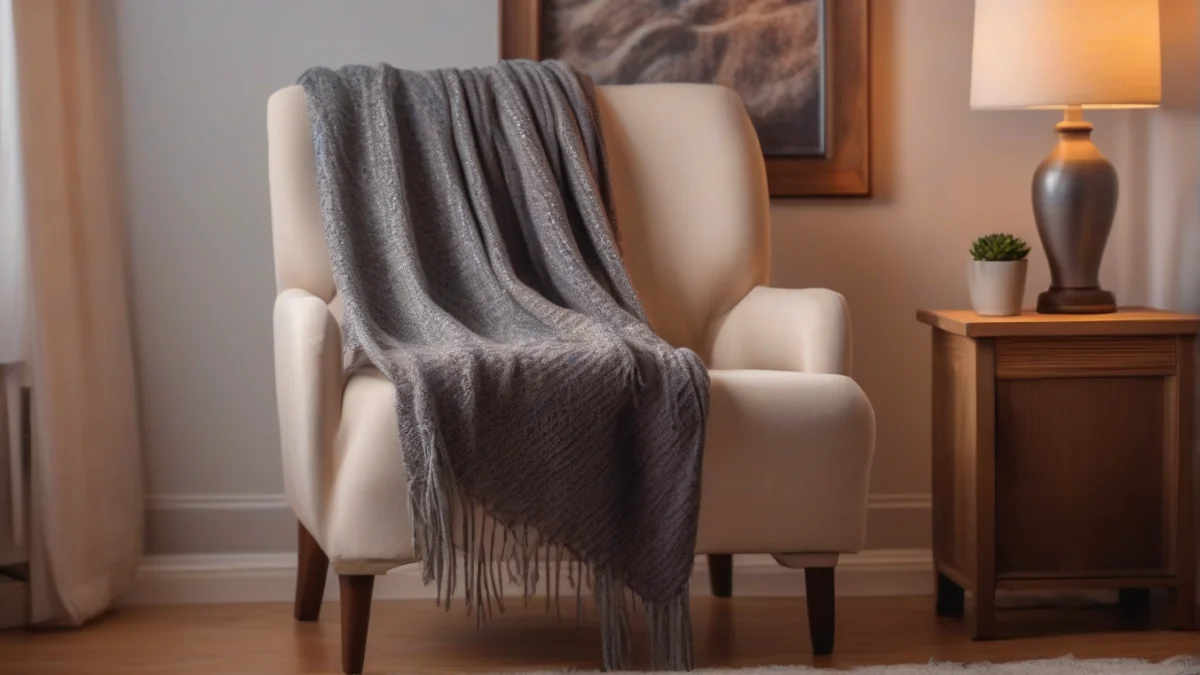
Heating elements inside the shawl use low-voltage electricity to generate warmth evenly across the fabric. These elements are thin wires or carbon fiber threads sewn into insulated layers like micro-mink plush or sherpa lining, which retain heat but stay comfortable to the touch.
Heated shawls use thin, flexible heating elements sewn between their fabric layers. When powered, these elements generate warmth directly where the shawl contacts your body. You control the heat level with a built-in or detachable controller, adjusting the temperature to your comfort. The shawl’s fabric and insulation help hold that heat close, so you feel warmer without bulky layers.
Typical heat settings range from a gentle 90°F up to around 150°F, letting you customize warmth for indoor lounging or outdoor use. Safety is built-in through automatic shut-off timers, usually between 90 minutes to 4 hours, to prevent overheating and extend battery life.
Most heated shawls are designed to be lightweight and portable, often including weighted edges or snap-button closures to keep them snugly in place. The fabric is machine washable once the electronic controls are removed, making upkeep straightforward.
| Feature | Details |
|---|---|
| Power Options | Battery (cordless), USB (power bank or AC) |
| Heat Settings | 3–6 levels from ~90°F to 150°F |
| Safety | Auto shut-off after 90–240 minutes |
| Fabric | Micro-mink plush, sherpa lining, machine washable |
| Controller | Detachable LED remote or built-in buttons |
| Size | Typically one size fits most, 50″×60″ range |
How Heat Settings Affect Comfort and Running Costs
Heat settings on a heated shawl translate to surface temperatures roughly between 90°F and 150°F, letting you adjust how warm it feels against your skin. Lower settings provide gentle warmth ideal for mildly chilly rooms, while higher settings offer more intense heat for outdoor use or colder spaces.
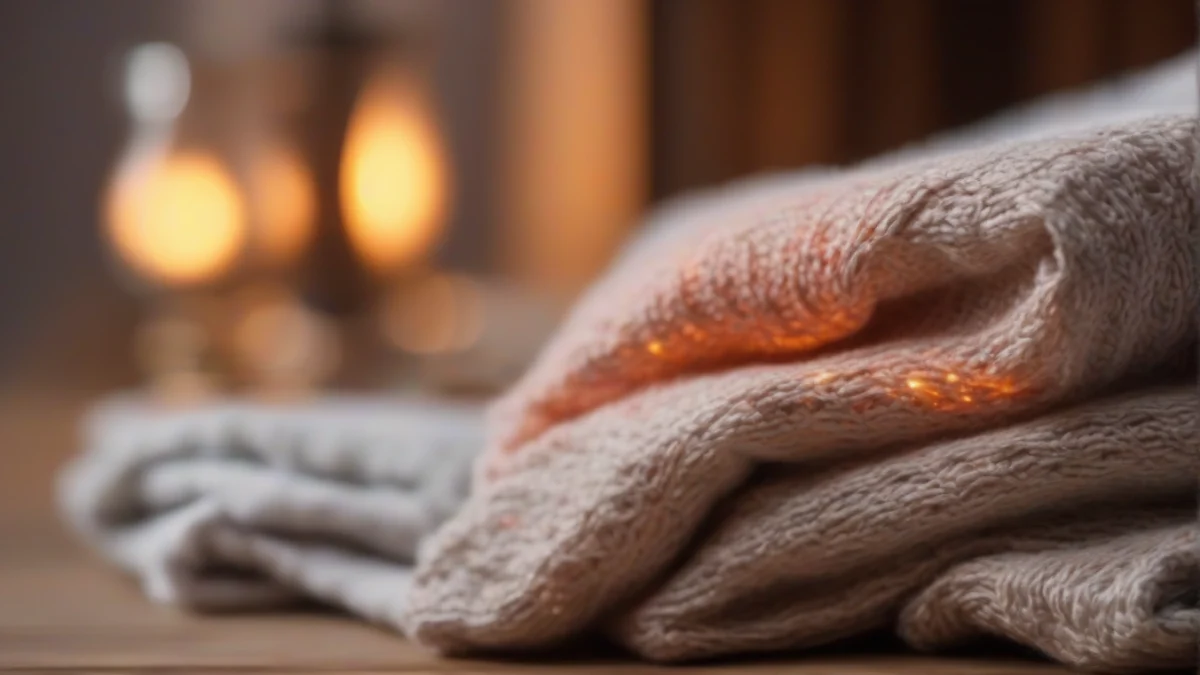
Heat settings let you pick your comfort level and affect how much power the shawl uses. Higher settings raise the temperature but drain the battery faster or use more electricity if plugged in. For example, a shawl drawing 10 watts at low heat for 3 hours uses 0.03 kWh. At 17 cents per kWh, that’s about 0.5 cents per use. Higher heat might double that cost but provide quicker warmth.
Battery life varies with setting and battery capacity but expect about 3 to 6 hours on low heat and shorter on high. A wireless heated neck shawl popular on Amazon’s best-seller lists commonly runs 4 hours at medium heat before needing a recharge.
| Heat Level | Approx. Temperature | Power Draw (Watts) |
|---|---|---|
| Low | 90°F | 5 W |
| Medium | 120°F | 7.5 W |
| High | 150°F | 10 W |

Battery Versus USB and AC Power: Pros and Cons

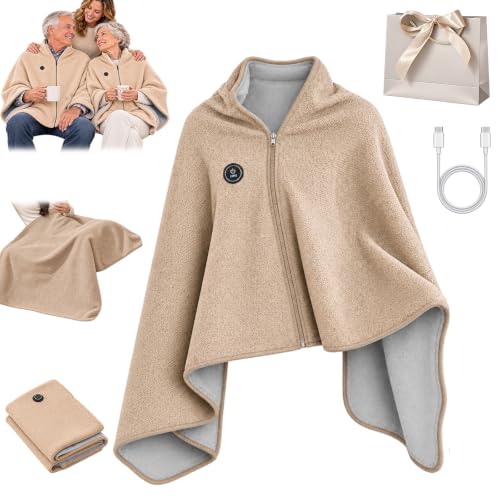
Battery-powered shawls offer freedom to move without cords but need recharging after a few hours, typically 4 to 6 hours on a full battery. USB-powered models require connection to a power bank or outlet, which limits mobility but can run longer without interruption. AC-powered shawls plug into wall outlets, supplying continuous power but restricting your range to the cord length.
Battery models work great outdoors or when you want freedom to move without cords. USB-powered shawls fit well for indoor use or short outdoor trips if paired with a portable power bank. AC-powered shawls suit indoor spaces where you don’t mind staying near an outlet for long, steady warmth.
| Power Source | Pros | Cons |
|---|---|---|
| Battery | Cordless; portable; good for outdoor use | Limited runtime; requires recharging |
| USB | Portable with power bank; flexible | Needs power bank; shorter runtime |
| AC Power | Continuous heat; no recharging | Tethered to outlet; less portable |
 Winter Heating Bill CutterSee what every heater in your home really costs, heat the rooms you use, and cut the waste in 30 days.Cost-per-hour tables for every heaterThermostat schedule and draft-proofing planRunning-cost and bill calculator (Excel)
Safety Features and Skin Considerations
Heated shawls are generally safe for sensitive skin and most medical conditions, but you should exercise caution if you have diabetes, circulatory issues, or impaired sensation. The risk of burns drops significantly with auto shut-off timers, which most models include. These timers vary from 30 minutes up to four hours, cutting power to prevent overheating once the set time passes.
Temperature limits usually keep surface heat below 150°F to avoid skin damage. Still, you should avoid direct, prolonged contact at the highest settings, especially on sensitive areas. A quick test before first use—like placing the shawl on your forearm—helps spot irritation risk.
Certification by UL or ETL confirms the shawl meets safety standards for electrical devices. Models lacking these certifications may not have reliable temperature controls or shut-off features, increasing risk.
Fabric Care, Durability, and Practical Use
Most heated shawls are machine washable after you detach the controller or battery pack, which is essential to protect the electrical components. Always follow the manufacturer’s washing instructions closely—usually a gentle cycle with cold water.
Fabric choices like micro-mink plush and sherpa lining offer soft, warm comfort while helping trap heat efficiently. These materials also stand up well to repeated washing without losing insulation, provided the heating elements stay intact.
Washing can loosen or damage heating wires if the controller isn’t removed or the shawl is washed too often. Some models use flexible wiring or flat heating panels designed to withstand laundering better.
Design features like snap-button closures and weighted edges keep the shawl in place during wear, preventing shifting that can expose cold spots or strain wiring. These details also contribute to durability and user comfort.
A machine washable heated shawl in micro-mink plush with a detachable controller and weighted edges usually offers the best balance of warmth, comfort, and long-term reliability.
For a practical next step, consider Top 5 Heated Shawls You Can Wear Cord-Free for Cozy Warmth to find models that nail these features.


