

Choosing the right energy efficient heating system depends on your climate, home size, and budget. Understanding how each system works helps avoid costly mistakes and ensures comfort.
Many people pick heating systems based on upfront cost alone, missing long-term savings and maintenance costs that add up over years.
Energy Efficient Home Heating Options
Energy efficient home heating options include heat pumps, high-efficiency gas furnaces, boilers, radiant floor heating, geothermal systems, and electric resistance heaters. These systems vary in upfront cost, energy use, and suitability depending on your climate and fuel availability.
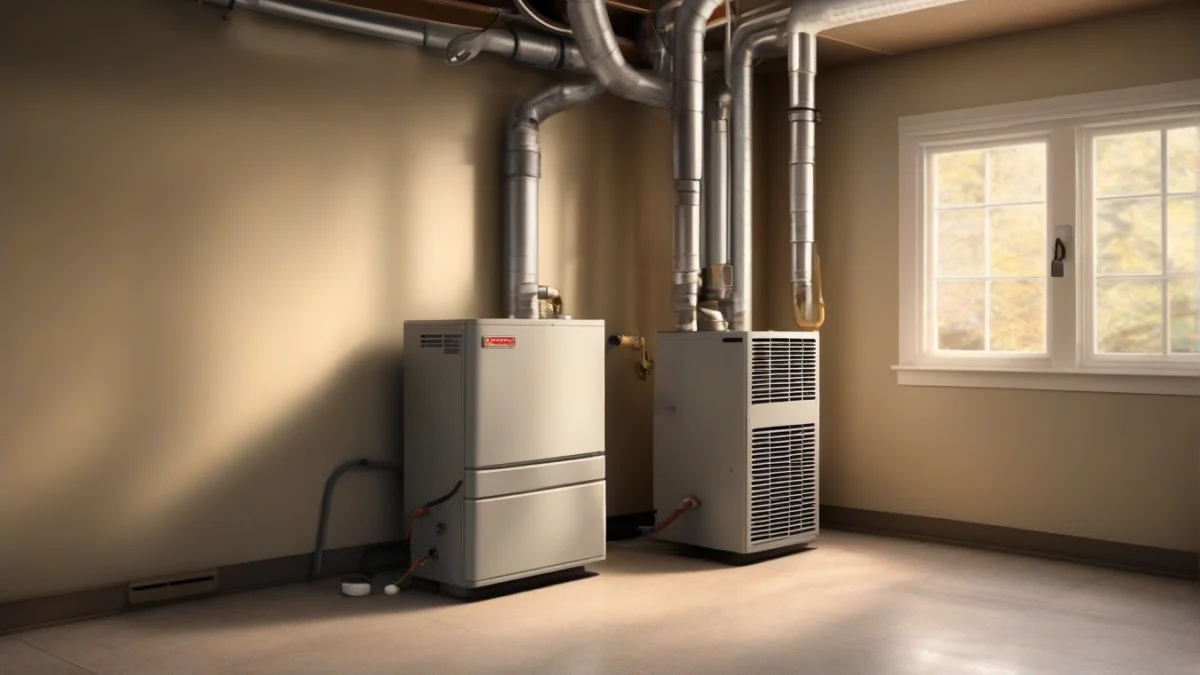
Heat pumps move heat instead of generating it, using about half the electricity of electric resistance heaters to warm your home. Air-source heat pumps work well in moderate climates, while geothermal heat pumps (GSHP) maintain high efficiency even in extreme cold but cost more to install.
High-efficiency gas furnaces and boilers now achieve Annual Fuel Utilization Efficiency (AFUE) ratings between 90% and 98%, meaning they convert most fuel into heat including startup and cooldown losses. Gas furnaces are generally less expensive to install than geothermal but depend on fuel prices and local emissions regulations.
Radiant floor heating, usually hydronic with hot water pipes under the floor, offers steady and even warmth. It excels in well-insulated homes and can be paired with high-efficiency boilers or heat pumps for better performance.
Electric resistance heaters convert all electricity used into heat at the point of use, making them 100% efficient electrically. Their running cost is highest among these options when electricity prices are above average.
| Heating System | Efficiency Range (AFUE or COP) | Suitable Climates | Estimated Installation Cost |
|---|---|---|---|
| Air-source Heat Pump | COP 2.5–4.5 | Mild to moderate cold | $$ |
| Geothermal Heat Pump | COP 3.5–5 | All climates, even very cold | $$$$ |
| Gas Furnace | 90–98% AFUE | Cold to moderate | $$ |
| Boiler with Radiant Floor | 85–95% AFUE | Cold to moderate | $$$ |
| Electric Resistance Heater | 100% at point of use | All climates | $ |
Where the Heat Actually Goes
Heat moves in three ways: radiation, convection, and conduction, each affecting comfort and energy use differently. Radiant heating warms objects and people directly, convection heats the air, and conduction transfers heat through materials.
Infrared heaters work by emitting radiant energy that heats surfaces and bodies without needing to warm the surrounding air first. This can feel more comfortable quickly and reduce wasted energy in drafty or poorly insulated spaces.
Radiant floor heating relies on conduction through the floor surface and radiation into the room. Its efficiency jumps when combined with good insulation underneath, which prevents heat from escaping downward and keeps warmth focused inside.
Convection heaters, like baseboard or forced-air systems, circulate warm air but may cause uneven temperatures and noise from fans or ductwork. Radiant systems are quieter and more consistent but cost more upfront.
Understanding how heat actually moves in your home helps you pick a system that delivers comfort efficiently and suits your space’s insulation and layout. Radiant floor heating combined with proper insulation can offer energy efficient warmth with quiet operation.


How Hybrid Heating Systems Work
Hybrid heating systems combine a heat pump with a gas furnace to optimize efficiency and comfort, especially in cold climates. The heat pump handles most heating needs by moving heat from outside air into the home, but when temperatures drop below about 30°F, it becomes less efficient. That’s when the gas furnace kicks in to provide reliable warmth.
A dual fuel thermostat controls this switch automatically, sensing outdoor temperatures and deciding which system to run. You don’t have to manage it yourself. The thermostat prefers the heat pump to save electricity but flips to the furnace when it saves more energy or maintains comfort better.
This setup lowers fuel costs because the heat pump uses electricity more efficiently than electric resistance heating, while the furnace covers very cold days without overworking the heat pump. Say your heat pump runs at 3 COP (coefficient of performance) above 30°F and your furnace burns gas at 95% efficiency. The thermostat switches at the temperature where the cost per unit of heat from each system balances out, depending on local fuel prices.
Installation requires compatible ductwork and a dual fuel thermostat designed for your specific furnace and heat pump models. Proper sizing of both units is key: the heat pump should handle most heating loads, while the furnace size matches peak demand. Controls and wiring have to integrate seamlessly.
Maintenance and Lifespan Costs
Maintenance needs and lifespan vary widely among heating systems. Geothermal heat pumps require minimal upkeep compared to air-source heat pumps or gas furnaces, but all need regular service to sustain efficiency and avoid costly repairs.
Geothermal systems have underground loops that typically last 25 to 50 years, while the indoor heat pump components last around 20 years. Air-source heat pumps and high-efficiency gas furnaces usually last 15 to 20 years. Boilers can run 15 to 30 years depending on type and maintenance.
Routine tasks include cleaning or replacing filters every 1 to 3 months, checking refrigerant levels and coils on heat pumps annually, inspecting burners and heat exchangers on furnaces, and flushing boilers yearly. Neglecting these can reduce efficiency by 10% or more and lead to premature failures.
Common mistakes that jack up repair bills include ignoring strange noises, delaying filter changes, running systems with blocked vents, and DIY repairs without proper tools or knowledge. Such shortcuts often cause more damage.
Energy efficient heating systems cost more upfront but save money long-term if maintained properly. For example, a high-efficiency gas furnace with 95% AFUE will burn less fuel and last longer if filters and burners are kept clean, cutting operating costs and repair frequency.
Integrating Solar Heating with Other Systems
Solar heating can cut your home’s energy bills when paired with traditional systems, but it isn’t a standalone fix for cold climates.
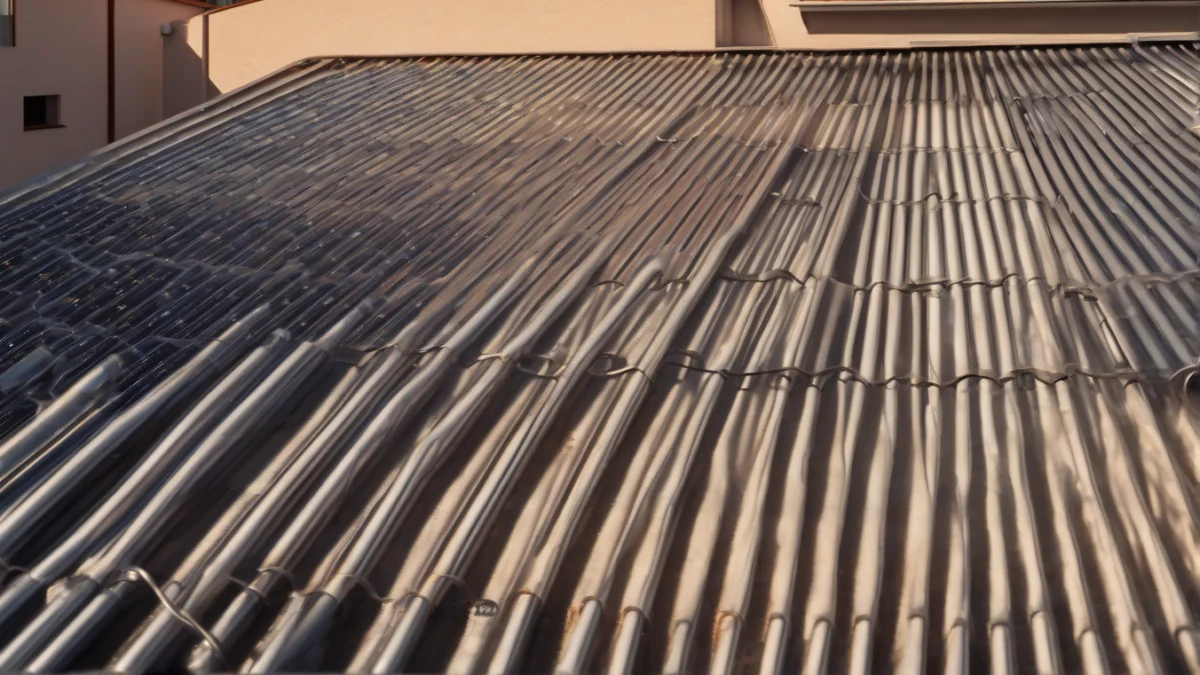
Solar thermal systems use panels to capture sunlight and heat water or air directly, which then supplements your existing heating, typically hydronic or forced air. Photovoltaic (PV) panels produce electricity that can power electric heaters or heat pumps, reducing grid dependence.
Using solar reduces running costs and carbon footprint by offsetting fossil fuel or grid electricity use. For example, a 5 kW PV system might generate around 20 kWh daily in good sunlight, enough to run a 1,500 W electric heater for over 13 hours. That trims electric heating costs significantly.
Solar installations need roof or ground space with good sun exposure, ideally south-facing without shading. Thermal panels require plumbing integration; PV panels involve electrical connections and inverter placement.
Cold or overcast regions limit solar output in winter when you need heat most. Solar heating supplements but won’t reliably replace a furnace or heat pump in those cases. Battery storage can help but adds cost and complexity.
Installation Considerations for Each System
Installation costs and complexity vary widely among heating systems; plan for permits, space, and home prep accordingly.
Heat pumps often cost $4,000 to $8,000 installed. They use existing ductwork if available, but may need electrical upgrades and outdoor unit space. Noise from the outdoor compressor is usually low but should be considered for placement.
Boilers require venting for combustion gases, plumbing for hydronic loops, and space for the unit and water tanks. Installation can range from $5,000 to over $10,000 depending on fuel type and home size.
Radiant floor heating installation involves lifting or embedding tubing beneath floors, ideal at construction or major remodel stages. Costs vary, but expect $6 to $15 per square foot. It requires careful subfloor prep and insulation.
Geothermal systems are the most installation-intensive, needing ground loop drilling or trenching. These can exceed $20,000 upfront but offer the highest efficiency. Local permits for drilling and space for loops are mandatory.
Questions People Ask
Which heating system is most energy efficient in very cold climates?
How do hybrid heat pump and gas furnace systems save energy?
What maintenance does a geothermal heat pump require?
Does radiant floor heating work well in poorly insulated homes?
Are pellet stoves practical for fully automated home heating?
What tax credits currently apply to heat pump installations?

HeaterGuides covers home heating, water heating and HVAC: how the equipment works, what it costs to run, and how to use it safely.
