

The half-true belief here is that heat always moves upward. The true part is that warm air does rise; the fuller rule is that thermal energy moves from higher temperature to lower temperature by conduction, convection, and radiation.
That matters because the direction of heat flow decides where a heater works well, where insulation helps most, and why a cold window can make a room feel drafty even when the thermostat says the air is warm.
Direction of thermal energy flow definition
Thermal energy moves from a hotter object to a colder one until their temperatures even out. This happens anytime you warm a room, cool your coffee, or stand near a space heater on a chilly morning.
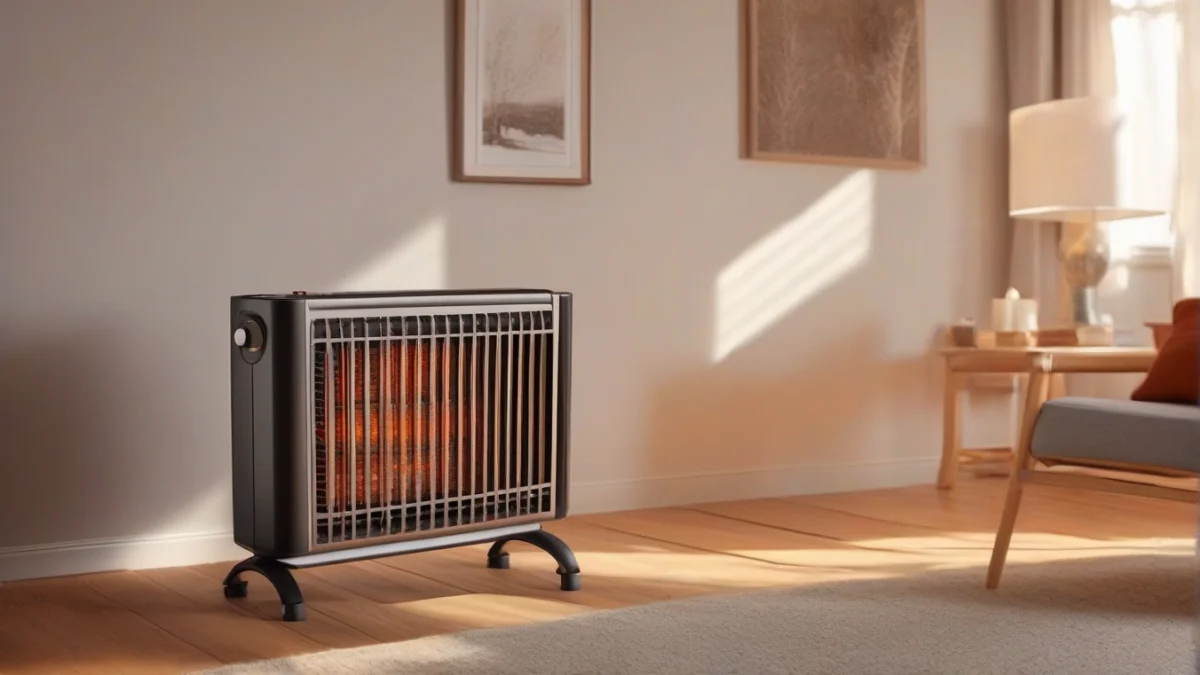
The movement continues as long as a temperature difference exists. Once the two objects or spaces hit thermal equilibrium—meaning they’re at the same temperature—the net flow stops. Your heater quits cycling, your coffee stops steaming, and the basement finally feels like the rest of the house.
Heat travels along three paths. Conduction moves energy through direct contact: your hand on a cold doorknob, your feet on a tile floor. Convection carries heat through moving air or liquid: warm air rising from a baseboard, cold drafts sinking past a window. Radiation sends infrared energy across empty space: the glow you feel standing three feet from a quartz heater, or sunlight warming a wall with no air movement involved.
| Transfer mode | How it works | Common example |
|---|---|---|
| Conduction | Direct contact between surfaces | Cold floor under bare feet |
| Convection | Heat carried by moving air or liquid | Warm air rising from a vent |
| Radiation | Infrared energy crossing space | Standing near an infrared heater |
Warm air does rise, but that’s convection at work, not the whole story. The broader rule still applies: heat flows from the warmer air near the ceiling to the cooler floor, the cold window glass, and the walls facing January wind. The science of heat flow explains why your second floor stays warmer than the basement and why a ceiling fan helps in winter.
What the direction rule means in a room

Pour hot fudge over vanilla ice cream and heat flows from the fudge to the ice cream. The fudge cools, the ice cream softens, and the transfer continues until both hit the same temperature. That’s the rule in the kitchen, and it’s the same rule in your living room.
Heat moves one way only while a temperature difference exists. Once the fudge and ice cream match, the net flow stops. In a room, that means your space heater keeps running until the air, the walls, the furniture, and you all reach a steady temperature. The colder the surfaces around you, the longer the heater runs and the more energy it uses.
A cold wall, window, or concrete floor can make you uncomfortable even when the thermostat looks fine. Your skin radiates heat to any cooler surface it faces, and conduction pulls warmth through your feet if the floor is cold. Thermal insulation cuts that loss by raising the surface temperature closer to the air temperature, which slows the flow and keeps you comfortable at a lower thermostat setting.
Small closed rooms warm faster because there’s less cold surface area to fight. A 10 by 12 bedroom with one exterior wall heats up quickly; a great room with cathedral ceilings, tile floors, and three exterior walls bleeds heat in every direction. The rule doesn’t change, but the size of the temperature gap and the area over which it acts determine how hard your heater works.
How heat transfer changes what you pay
Heat loss dictates runtime, and runtime drives cost. A 1,500 W heater pulling full power for eight hours burns 12 kWh—1.5 kW times eight—which at 17 cents per kWh comes to about $2.04 for the night. When your room sheds heat faster than the heater can replace it, the unit runs longer or cycles more often, and the bill climbs. Drafty windows, thin walls, and cold floors all speed the flow of thermal energy from warm indoor air to the colder outdoors, forcing the heater to work overtime.
Radiation adds a wrinkle. Lighter or reflective surfaces bounce more infrared energy back toward you, so a room with pale walls can feel slightly warmer under a radiant heater than one with dark, matte paint. That doesn’t change the direction rule—heat still flows hot to cold—but it does mean a fraction more of the heater’s output reaches your skin instead of being absorbed by the wall. The dollar difference is small, a few percent at most, and it won’t show up as a separate line item. Convection and conduction losses through windows, doors, and poorly insulated walls matter far more.
| Transfer mode | Plain example | Where it costs you most |
|---|---|---|
| Conduction | Hand on a cold window pane; heat flows through the glass to the outdoors | Thin walls, single-pane windows, uninsulated floors over crawl spaces or garages |
| Convection | Warm air rising to the ceiling and escaping through attic gaps | Drafty doors, recessed lights, poorly sealed ductwork, high ceilings |
| Radiation | Standing near a cold exterior wall; your body radiates heat to the surface even when air temperature feels fine | Large windows on winter nights, metal garage doors, concrete basement walls |
Cutting heat loss cuts runtime. Weather-strip doors, hang insulated curtains over single-pane windows, and seal gaps around outlets on exterior walls. Every degree you prevent from escaping is a degree the heater doesn’t have to replace, and the most energy-efficient electric heaters still cost less to run in a tight room than a cheap unit in a drafty one.
| Heater | Watts | Per hour | Per day (8 h) | Per month (30 days) |
|---|---|---|---|---|
| 1,500 W space heater, full power | 1,500 W | 26¢ | $2.04 | $61.20 |
| 500 W oil-filled radiator, low setting | 500 W | 8.5¢ | 68¢ | $20.40 |
| 100 W heated blanket | 100 W | 1.7¢ | 14¢ | $4.08 |
Which heaters fit which rooms
Radiant heaters aim thermal energy straight at you, so they’re the right pick when you need warmth in one spot—your desk, a bathroom vanity, or a reading chair—without heating the whole room. Because heat flows from the heater element to your skin and clothes, you feel warm within seconds even if the air stays cool. Infrared quartz heaters and parabolic dish models work this way.
Convection heaters work differently. They warm air, and that air rises and circulates. In a closed bedroom or home office, warmed air spreads through the space and eventually reaches every corner. Baseboard heaters, ceramic tower units, and oil-filled radiators all rely on convection. If doors stay shut and drafts are minimal, convection delivers even heat.
Fan heaters force warmed air across the room quickly, which cuts the wait but exposes the limits of convection in a drafty space. Cold air sneaking under a door or past a window pulls thermal energy away as fast as the heater supplies it. You’ll notice hot and cool zones, especially in garages and uninsulated mudrooms.
Oil-filled radiators keep radiating heat for fifteen to thirty minutes after the thermostat clicks off because the metal fins and the oil inside still hold thermal energy. That stored heat continues to flow into the cooler room air until temperatures equalize. Runtime drops, but comfort holds steady.
| Heat mode | Best use | Why |
|---|---|---|
| Radiant | Spot heating | Warms people directly; air temp doesn’t matter |
| Convection | Closed rooms | Circulates warm air evenly if drafts are low |
| Fan-forced | Quick heat | Moves air fast but loses to drafts |
| Oil-filled | Overnight | Stores thermal energy; radiates after cycling off |
What can go wrong if you ignore the rule
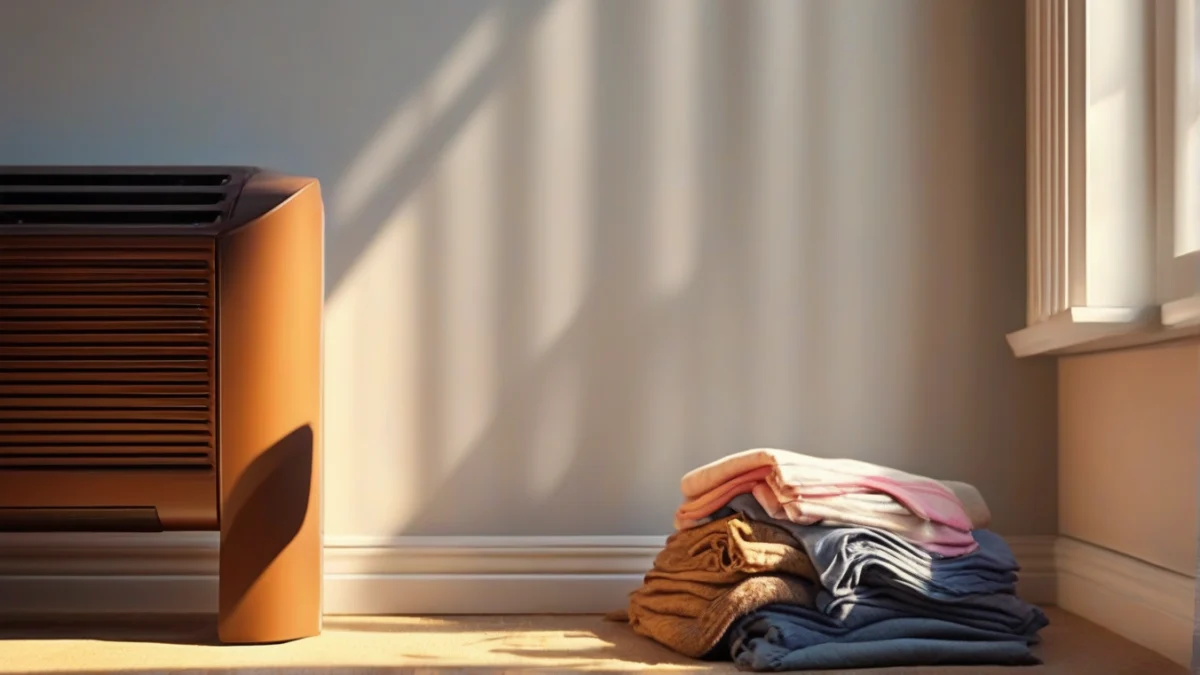
Thermal energy flows from hot to cold, and that includes from your heater element to anything nearby. Curtains, bedding, and upholstered furniture can overheat and ignite even when the room still feels chilly, because the flow runs straight from the hot coil or ceramic plate to the fabric. Keep three feet of clearance on all sides.
Fuel-burning heaters—propane, kerosene, natural gas—produce combustion gases that flow into the room unless vented outside. Carbon monoxide is odorless and deadly. Only indoor-rated models belong indoors, and only with the ventilation the manual requires and a working CO alarm. Torpedo heaters, patio models, and construction heaters vent too little or not at all; they’re for open air only.
Drafts, open doors, and missing insulation let thermal energy escape faster than most people expect. Say your heater puts out 5,000 BTU per hour, but cold air flows in under the garage door at 6,000 BTU per hour. The room never warms, the heater runs continuously, and your electric or propane bill climbs. Thermal insulation and weather stripping slow the flow; without them, even an oversized heater won’t keep up.
Check the room before you buy or call for help
Run through a few quick checks before you spend money on a heater or schedule a service call. Start with the space: measure the room in feet, multiply length by width by ceiling height, then multiply by 3.5 to get a rough BTU target (or divide square footage by 10 for watts). Look for drafts around windows, doors, and baseboards—seal those first, since thermal insulation cuts heat loss by 30 percent or more. Check the outlet: plug-in electric heaters draw 12.5 amps at 1,500 watts, so they need a dedicated 15-amp circuit with no other heavy loads. Decide whether you need spot heat at your desk or whole-room warmth, because radiant models aim heat at you while convection heaters cycle air through the space.
Call a licensed electrician or HVAC technician if the breaker trips more than once with the heater plugged in, if you see a scorched outlet or smell burning plastic, if a gas or fuel heater gives off soot or a strong odor, or if the unit cycles on and off every few minutes despite correct thermostat settings. Those signs point to a wiring fault, a failing safety switch, incomplete combustion, or a control problem—none of which you can safely fix with a YouTube video.
More Questions, Answered
In which direction does heat flow?
What is the direction of thermal energy flow?
How does heat energy move between ice cream and hot fudge?
How long does heat transfer only in one direction?
Does warm air rising mean heat always goes up?

HeaterGuides covers home heating, water heating and HVAC: how the equipment works, what it costs to run, and how to use it safely.
