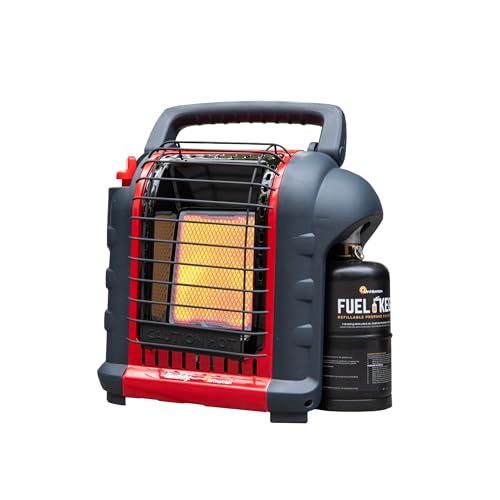
Common troubleshooting tips for gas space heaters include checking the thermostat settings, ensuring the gas supply is on, inspecting for blockages in the venting system, cleaning the pilot light and burner, and verifying that the heater is properly maintained to prevent safety hazards.
Gas space heaters provide efficient warmth but can develop issues over time. Knowing how to diagnose and fix common problems keeps your heater running safely and extends its lifespan. This guide covers troubleshooting steps for pilot light failures, ignition issues, poor heating performance, and more.

Mr. Heater
Mr. Heater 50,000 BTU Forced-Air Unit Heater…
- Ceiling-mounted forced air unit heater turns garages, barns, and workshops into heated workspaces
- 50,000 BTUs heat up to 1,667 sq ft, or approximately a 3-car garage
- Compatible with standard 24-volt or new Wi-Fi enabled thermostats (sold separately)
Pilot Light Won’t Stay Lit
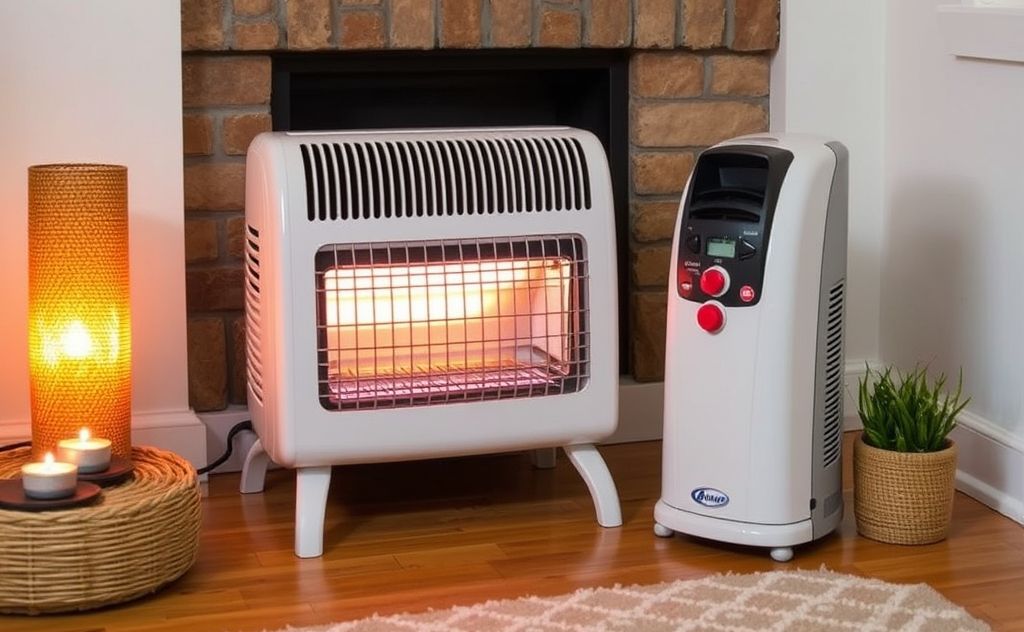
A weak or dying pilot light is one of the most common gas heater issues. The thermocouple is usually the culprit when the pilot won’t stay lit.
Thermocouple Problems
- Check if the thermocouple tip is properly positioned in the pilot flame
- Clean any corrosion or buildup with fine sandpaper
- Ensure the thermocouple connection to the gas valve is tight
If cleaning doesn’t help, the thermocouple may need replacement. Learn more about pilot light operation in our detailed guide.
Draft Issues
Strong drafts can blow out the pilot light. Check for:
- Open windows or doors near the heater
- Powerful exhaust fans running in the space
- Improper venting that creates backdrafts
Heater Won’t Ignite
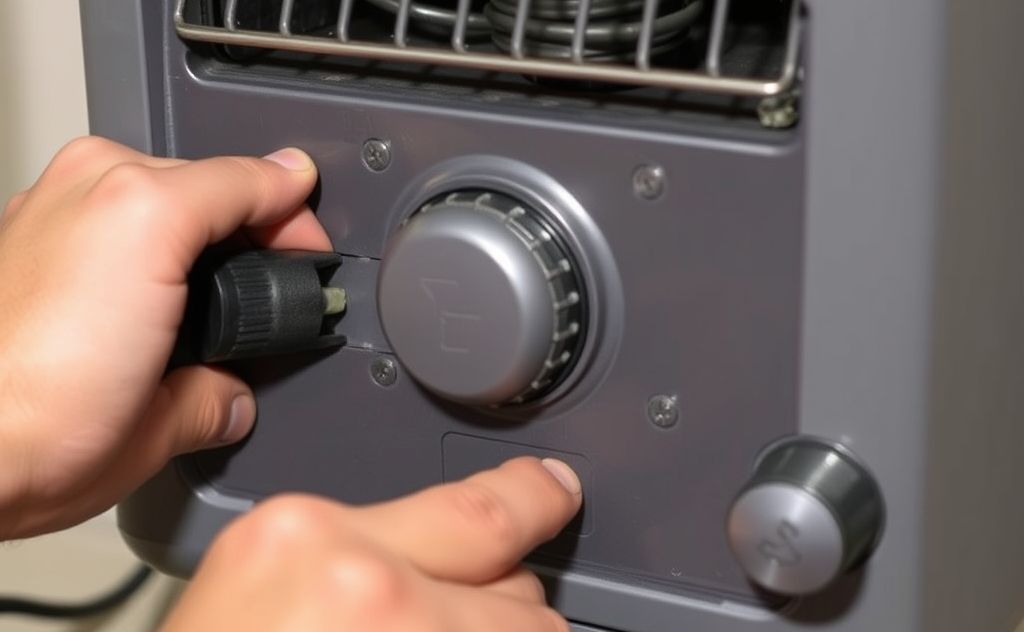
When your gas heater fails to start, follow these troubleshooting steps:
Gas Supply Check
- Verify the gas valve is fully open
- Check other gas appliances to confirm gas is flowing
- For propane heaters, ensure the tank isn’t empty
Ignition System
Modern heaters use either:
- Electronic ignition – Check for power and listen for sparking
- Pilot light – Follow pilot lighting instructions exactly
For persistent ignition problems, consult our propane heater troubleshooting guide.
Insufficient Heat Output
If your heater runs but doesn’t produce enough warmth:
| Issue | Solution |
|---|---|
| Clogged burner | Clean burner ports with compressed air or soft brush |
| Obstructed vent | Clear any blockages in exhaust flue |
| Undersized heater | Ensure BTU rating matches room size |
Ventilation Requirements
Proper airflow is critical for both safety and performance. According to Department of Energy guidelines, gas heaters need:
- 1 square inch of vent area per 1,000 BTUs
- Clearance from walls and furniture
- Fresh air intake for combustion
Unusual Noises
Strange sounds often indicate specific problems:
Popping or Rumbling
This usually means delayed ignition caused by:
- Dirty burners
- Low gas pressure
- Moisture in the gas line
Scraping or Squealing
These noises typically come from:
- Worn fan bearings
- Debris in the blower wheel
- Loose motor mounts
Safety Considerations
Always prioritize safety when troubleshooting gas appliances:
Carbon Monoxide Risks
Install CO detectors and watch for symptoms like headaches or nausea. The Consumer Product Safety Commission recommends annual professional inspections.
Gas Leak Detection
If you smell gas (rotten egg odor):
- Extinguish all flames
- Don’t operate electrical switches
- Evacuate immediately
- Call your gas company from outside
For vented models, ensure proper installation as covered in our vented gas heater guide.
Preventive Maintenance
Regular care prevents most common issues:
- Clean burners and heat exchanger annually
- Check venting for obstructions
- Test safety controls
- Lubricate moving parts if specified
- Keep area around heater clear
Following these troubleshooting steps can resolve most gas space heater problems. For complex issues or if you’re unsure, always consult a qualified technician.
Related pick: Check today's price on Amazon
More propane & gas heaters guides on HeaterGuides.
Gas Space Heater Repair
Gas space heater repair is safe to handle yourself only when the fix is limited to cleaning, checking settings, or confirming the fuel supply; gas-valve, burner, venting, wiring, and combustion repairs belong to a qualified technician. Turn the heater off and close the gas supply if you smell gas, see soot, hear repeated delayed ignition, or find a damaged vent.
For a repair that won’t wait, record the heater’s model, fuel type, symptoms, and any flashing fault code before calling. Don’t bypass the thermocouple, oxygen-depletion sensor, tip-over switch, or other safety control. A heater that lights but repeatedly shuts down may be protecting you from a real combustion or venting problem.
Thermostat Troubleshooting
A thermostat can stop a gas space heater from running even when the pilot and gas supply are fine. Set the thermostat above the room temperature, confirm the heater’s power switch is on if the model needs electricity, and replace the thermostat batteries when applicable. Check that the sensing area isn’t blocked by furniture or warmed by sunlight.
If the pilot stays lit but the main burner never starts after those checks, the thermostat wiring, gas valve, limit switch, or control board may need testing. Turn off the gas and power before opening the cabinet, and have a qualified technician handle live-voltage checks or gas-control replacement.
Gas Line For A Space Heater
A new gas line or a change to the line feeding a space heater should be sized, installed, leak-tested, and approved by a licensed gas professional under local code. Don’t use a flexible connector as a substitute for permanent piping, alter a regulator, or assume a larger line will cure a heater that has a dirty burner or a failing gas valve.
If the heater has low flame, repeated shutdowns, or delayed ignition, close the gas supply and arrange service rather than adjusting the line yourself. The technician can check inlet pressure under load, the shutoff valve, connector, regulator, and venting with the correct test equipment.

I am a mechanical engineer and love doing research on different home and outdoor heating options. When I am not working, I love spending time with my family and friends. I also enjoy blogging about my findings and helping others to find the best heating options for their needs.
Related guides

Essential Safety Features for Gas Wall Heaters: A Buyer’s and Owner’s Manual
Why Modern Gas Wall Heaters Are Safer Than You ThinkYou smell gas near the wall unit, or the…
Who Fixes Gas Heaters? Find a Qualified Technician
Learn who is qualified to fix gas heaters, how to check credentials, and when to repair or replace…

Who Installs Gas Wall Heaters? Expert Guide to Safe Installation
Gas wall heaters are typically installed by licensed HVAC technicians or plumbers experienced in gas appliance installation and…