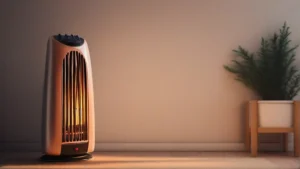
A clay pot heater is a homemade heater that uses tea light candles and stacked terracotta pots to radiate gentle heat. It works by trapping and spreading the candles’ warmth, but it won’t heat a room like a real space heater. A clay pot heater is mostly for small, drafty spots or as a hand warmer, not for whole-room comfort.
People look up clay pot heaters when they want a cheap way to keep warm, especially during a power outage or to save on heating bills. It’s a simple project—candles under a flowerpot—but there’s a lot of confusion about what these can and can’t do.
The most common mistake with clay pot heaters is expecting them to heat an entire room. Even built right, a few candles and a pot simply can’t put out enough heat to match a plug-in space heater or furnace. The cost is small, but so is the effect.
The essentials
A clay pot heater radiates heat from candles, not electricity or gas.
It’s best for warming hands or a small desk area, not whole rooms.
Running cost is low, but so is heat output—don’t expect real room heating.
Never leave a clay pot heater unattended or use it for sleeping.
If you want real warmth, use a certified electric or fuel heater.
Clay Pot Heater: What It Is and How It Works
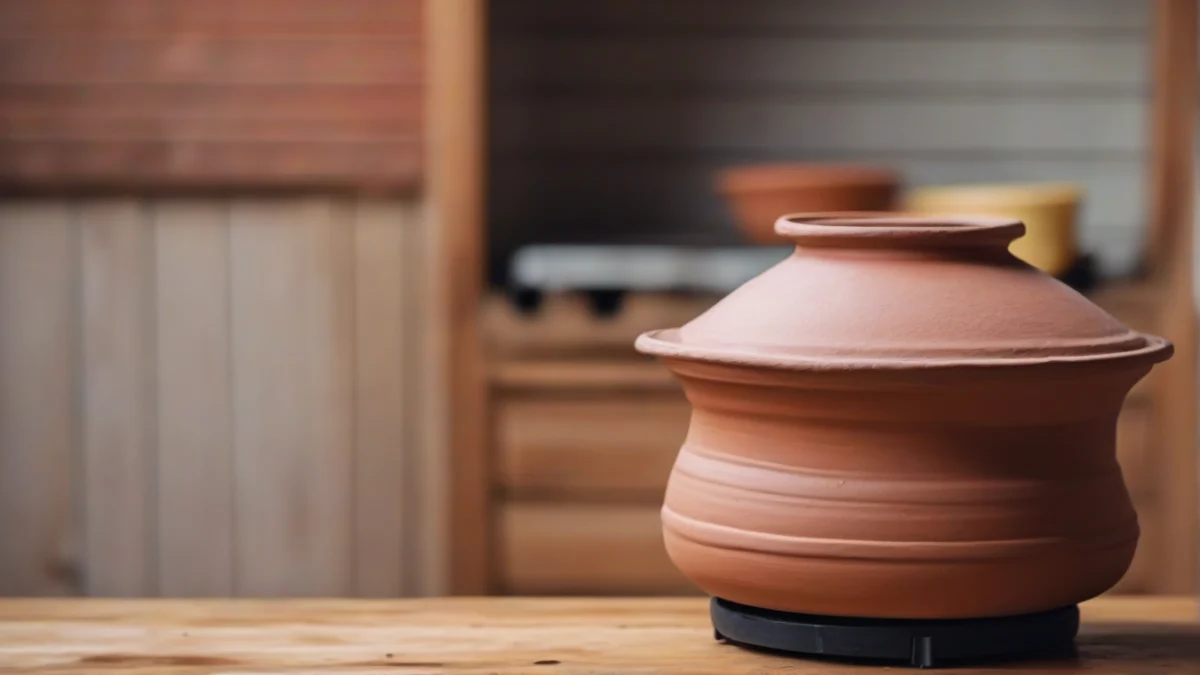
A clay pot heater, also called a clay pot candle heater, is a homemade arrangement of tea lights under or inside stacked terracotta pots. The candles heat the pots, and the warm clay radiates some of that heat outward, but the setup can’t match a real space heater because it has only the limited energy of small flames.
This setup illustrates how a clay pot heater operates.
The mechanism is simple. A candle flame warms the inner pot; heat travels through the terracotta and reaches the outer surfaces, which then release warmth by radiation and by warming nearby air. The pots spread the warmth over a larger surface and slow its release, but they don’t create extra heat. Four candles still produce only the heat made by four candle flames.
Heater
Heat source
What you feel
Whole-room heating
Clay pot heater
Tea lights and terracotta
Gentle warmth close to the pots
Poor; output is limited by the candles
Electric space heater
Electricity
Stronger, controllable heat
Often suitable when correctly sized
Infrared heater
A purpose-built electric or gas emitter
Direct warmth to people and surfaces in its path
Depends on the model and room
cell
cell
cell
cell
The pot changes how candle heat is released; it doesn’t raise the amount of heat available.
An infrared heater is designed to send a useful share of its heat directly toward people, floors, walls or furniture, often with an emitter and reflector. Warm terracotta does give off infrared radiation—every warm object does—but a clay pot heater isn’t a dedicated infrared appliance. Its candles heat the clay first, and the resulting warmth remains modest and localized.
Worked Example
Say four tea lights are burning beneath a terracotta stack in a chilly corner. You may feel warmth near your hands or face because the warm clay radiates toward you, while the rest of the room keeps losing heat through drafts, windows and exterior walls. Moving the pots into the room won’t change the candle flames’ total energy.
Heat sourceFour tea lights
Best expectationNearby spot warmth, not whole-room heati
Remember the Flame
The terracotta doesn’t make the setup fireproof. You still have open flames and hot clay, so the heater needs constant supervision and clear space from anything that can burn. For construction details, see how to build a safe and effective terracotta clay pot heater.
How to Make a Heater Out of Clay Pots Safely
To make a clay pot heater safely, place tea lights on a stable metal tray, raise an uncracked terracotta pot over them with a noncombustible stand, and leave the air openings clear. A DIY clay pot heater is still an open-flame setup, so build it where you can watch it continuously.
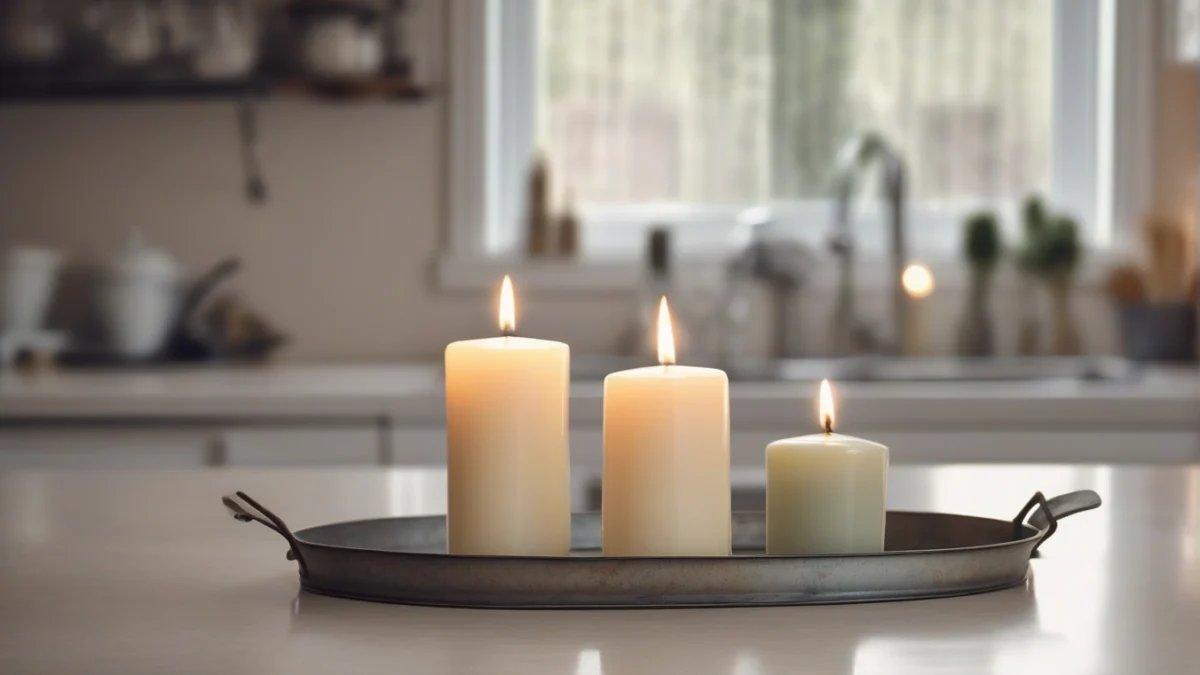
Ensure a stable base for safe candle placement.
Materials
Two or three dry, uncracked, unglazed terracotta pots sized so the outer pot can sit securely over the tea lights without touching a flame.
Unscented tea lights in intact metal cups. Follow the candle package instructions and don’t use damaged or leaking candles.
A flat metal tray plus a metal trivet or stand that keeps the pot stable and leaves an air gap below it.
Metal washers, a bolt and a nut if your pot design uses retaining hardware. Keep plastic, wood, glue and fabric out of the assembly.
A working carbon monoxide alarm, a candle snuffer and heat-resistant gloves for handling a fully cooled setup.
1
Inspect the pots
Check every pot for hairline cracks, chips and moisture. A cracked or wet pot can split as it heats. Set the pots on a level, noncombustible surface and discard any piece that rocks.
2
Build the support cold
Assemble the metal stand before lighting anything. If a bolt passes through the drainage holes, use washers and tighten the nut only enough to stop wobbling; the metal must not press hard against the clay or hang into the flame.
3
Set the candles
Place the tea lights in the metal tray with space between them and away from the tray’s edge. The tray must sit beneath the pot, not on wood, carpet, paper or a bare shelf.
4
Fit the pot
Set the terracotta pot upside down on the stand, with its wide opening over the candles. Confirm that no flame touches the clay, the pot cannot slide or tip, and the drainage hole or other air passage stays open.
5
Test the location
Before lighting, gently check the stand for movement and clear the area around it. Light the candles only when the setup is within sight, then extinguish them before moving the tray or pot.
Fire And Carbon Monoxide
Keep the heater at least 3 feet from curtains, bedding, paper, furniture and other combustible items. Don’t use it near a draft, fan, doorway, child or pet, and never leave it burning while you sleep or leave the house. Candles consume oxygen and produce carbon monoxide, so don’t use the setup in a sealed room, tent or vehicle; keep normal ventilation and a working CO alarm nearby.
Use Candles Only
Don’t substitute an oil lamp, alcohol burner, gel fuel, charcoal, fuel tablet or any improvised flame. Those fuels can spill, flare or heat the terracotta far more aggressively than the candle setup. Let the pots cool completely before handling them, and never pour water onto hot clay.
Heat Output of a Clay Pot Candle Heater
A clay hand warming pot can make your hands feel warmer at close range, but a heat-lamp-style clay pot won’t provide useful background heat for a room. The candles release the heat; terracotta spreads some of it across a larger surface, but it can’t multiply the energy.
As a working estimate, one typical 4-hour tea light releases about 30–40 watts of heat, or roughly 100–140 BTU per hour. Radiation warms skin and nearby surfaces, while a small plume of warm air rises above the pot. Both effects fade quickly with distance, especially in a drafty room.
30–40 W
Approximate heat from one tea light
A typical 4-hour tea light releases roughly 100–140 BTU per hour while it burns; the candle’s size and burn time can change that estimate.
Setup
Approximate heat
What you can reasonably feel
1 tea light
30–40 W; 100–140 BTU/h
Warmth close to the pot or your hands
3 tea lights
90–120 W; 300–410 BTU/h
A small warm zone immediately around the setup
4 tea lights
120–160 W; 410–550 BTU/h
Close-range comfort, with little room-wide effect
These are rough heat-output estimates, not room-size ratings.
No honest square-foot rating exists for a clay pot heater because insulation, drafts, ceiling height and candle count change the result. Four candles may take the chill off a desk area in a still room, yet the same setup can lose that advantage beside a leaky window. A standard 1,500 W electric heater produces roughly ten times the heat of four 150 W candles, and often more than that if the candles are smaller.
Worked example
Say a 12 × 14 ft room has four tea lights under a terracotta pot. At about 35 watts each, the setup releases roughly 140 watts. A 1,500 W plug-in heater would release about 11 times as much heat, so the room may barely change temperature while your hands feel warmer within arm’s reach of the pot. Moving your hands close to the warm terracotta surface uses the setup more effectively than waiting for the whole room to heat.
Room12 × 14 ft
Clay pot setup4 tea lights, about 140 W
Electric comparison1,500 W, about 11 times more heat
That makes the arrangement sensible for short, close-range comfort while you read or work, or as a small background heat source near a draft. It isn’t a substitute for raising the temperature of a bedroom, office or living room.
From HeaterGuides · our own guidePage 4 shows what every heater costs per hour; the Excel sheet works out your own bill.Winter Heating Bill CutterSee what every heater in your home really costs, heat the rooms you use, and cut the waste in 30 days.Cost-per-hour tables for every heaterThermostat schedule and draft-proofing planRunning-cost and bill calculator (Excel)$14.99$9.99Get it for $9.99See what's inside and watch the 2-minute video →14-page printable PDF + Excel calculator · instant download · 30-day refund
Running Cost of a Clay Pot Heater
A clay pot heater costs little only when you burn a few candles for a short time; a clay pot candle heater becomes costly for its small heat output over a full night. Your actual figure depends on the candle price and the burn time printed on its package.
Use
Assumption
Approximate candle cost
1 tea light for 1 hour
10 cents per candle; 4-hour burn
2.5 cents per hour
4 tea lights for 1 hour
10 cents each; 4-hour burn
10 cents per hour
4 tea lights for 8 hours
Two sets of four candles
80 cents per night
Example only: replace the 10-cent candle assumption with your package cost. A 6-hour candle changes the hourly and overnight figures.
The same four candles release roughly 120–160 watts. A 150 W electric heating load uses 0.15 kWh per hour; at an assumed 17 cents per kWh, that is about 2.55 cents per hour. Four candles at the example rate cost about 10 cents per hour, so the candle setup costs more for roughly the same heat.
Heater
Watts
Per hour
Per day (8 h)
Per month (30 days)
150 W electric heating load
150 W
2.6¢
20¢
$6.12
1,500 W electric space heater
1,500 W
26¢
$2.04
$61.20
Calculated at 17¢ per kWh. Comparison assumes 8 hours per day, 30 days, and an electricity rate of $0.17 per kWh.
Cost per BTU is higher than you might expect because each candle contains little usable energy and still has a fixed per-candle cost. A 35 W tea light burning for four hours supplies about 0.14 kWh of heat; a 10-cent candle therefore works out to roughly 71 cents per kWh of candle energy, far above the assumed 17-cent electric rate.
Short hand-warming sessions are the economical use: you get the benefit right beside the pot and stop after a brief period. Burning candles for hours to warm a room spends more while delivering too little heat, and a low running cost doesn’t make an open flame suitable for sleeping or unattended use.
Safety of Using Clay Pot Heaters Indoors
Clay pot heaters aren’t a safe substitute for a proper indoor heater: the open candle flame can start a fire, and terracotta doesn’t remove combustion gases. Keep the candle tray on a stable, noncombustible surface, leave plenty of clear space around the pots, and keep curtains, bedding, paper and clothing away from the heat. A tipped tray or cracked pot can turn a small warming setup into a fire very quickly.
Each candle consumes oxygen and produces carbon monoxide and other combustion products. Ventilation brings in fresh air and helps those products escape, but an open window doesn’t turn a clay pot heater into a zero-risk appliance. Never use one in a tightly closed room, tent, vehicle or other small enclosure. A working carbon monoxide alarm is sensible in any home, but an alarm isn’t permission to run an open flame unattended.
Never Leave It Burning
Don’t leave a clay pot heater running while you sleep, leave the house, or step away for more than a moment. Extinguish every tea light before moving the tray, changing a pot or going to bed; if a candle tips, move people away and use a safe extinguisher only if the fire is small and you have a clear exit.
The Pot Isn’t a Safety Shield
Terracotta spreads and stores some heat, but it doesn’t contain the flame or make nearby combustibles fireproof. An uncracked pot can still become very hot, and a sudden temperature change can crack it.
Before Lighting Any Candle
Use only uncracked pots and stable candle holders on a noncombustible tray.
Keep the air openings clear and place the setup where children and pets can’t tip it.
Remove paper, fabric, aerosols and other flammable items from the surrounding area.
Keep ventilation available and make sure smoke and carbon monoxide alarms work.
Extinguish the candles if the pot shifts, cracks, smokes or becomes difficult to handle.
For a larger space, choose a listed electric space heater with tip-over and overheat protection, plug it directly into a wall outlet, and keep the manufacturer’s clearance around it. If you’re comparing manufactured versions of this idea, our flower pot heaters buying guide can help you check the construction and intended use instead of trusting a clever-looking photo.
What to Do Next: Safer and Warmer Ways to Heat Your Space
Use a clay pot heater only for brief, attended hand-warming; choose a listed electric space heater or a properly used heating pad when you need dependable heat.
Choose the Right Option
Small spot, awake and nearby: a clay pot heater may be reasonable with constant supervision.
Room heat: choose a UL, ETL or CSA listed space heater sized for the space.
Any electric heater: plug it directly into the wall, keep 3 feet of clearance, and check for tip-over and overheat protection.
Bed or chair comfort: use a heating pad with auto shut-off; don’t fold or bunch it while it’s on.
In short
Don’t use a candle setup for overnight or whole-room heating. For product options, see the flower pot heaters buying guide and clay heating pads; for DIY, follow the safe design already given and don’t improvise with damaged pots or extra candles.
How to Make a Heater Out of Clay Pots Safely
Making a clay pot heater yourself involves stacking terracotta pots over tea lights to trap and radiate heat, but safety must come first.
1
Choose the right pots
Use uncracked, thick terracotta pots; thin or damaged pots can break from heat and cause hazards.
2
Set up a stable base
Place tea lights on a metal tray or heatproof surface to catch wax drips and prevent fire risk.
3
Elevate the pot
Use a noncombustible stand or metal supports to keep the pot above the candles, allowing airflow and preventing direct contact.
4
Leave air openings clear
Ensure gaps remain for oxygen to feed the candles and for heat to escape safely; do not seal the pot edges.
More Questions, Answered
Can a clay pot heater heat a small room?
A clay pot heater won’t provide dependable heat for a small room. The candles release only a modest amount of heat, and the terracotta mainly changes how that heat feels near the pot; it doesn’t create extra heat. Use a listed heater sized for the room instead.
Is it safe to leave a clay pot candle heater on overnight?
No. An unattended tea light can tip, flare, melt nearby materials, or ignite the tray and surrounding objects, while the hot terracotta remains a burn hazard. Extinguish every candle before you leave the room or go to sleep.
Why do people use terracotta pots for heaters?
Terracotta can absorb heat from the candle and radiate some of it from the pot’s surface after the flame goes out. Its mass also makes the warmth feel steadier at close range. The pot still needs airflow, and it won’t increase the candles’ total heat output.
Will potter’s clay seal small holes in a wood heater?
Potter’s clay isn’t a reliable repair for a wood heater because it can shrink, crack, or fall out during repeated heating and cooling. Use only a stove cement or fireplace mortar approved for the heater and repair location, following the appliance maker’s instructions. A hole in the stove body or flue can release smoke and carbon monoxide, so stop using the heater until the damage is properly repaired.
What is a clay pot candle heater?
A clay pot candle heater is a DIY device where tea light candles are placed under or inside stacked terracotta pots. The pots absorb and radiate the candle heat, creating a small, gentle warming effect. It’s mainly for short-term, close-range warmth rather than heating a room.
Before you go · a welcome giftGet the Winter Heating Bill Cutter for $4.99See what every heater in your home really costs, heat the rooms you use, and cut the waste in 30 days. Normally $14.99; your welcome price saves $10.00. We'll email your link right now.or buy it now for $9.99 without the gift →One email with your link now. We never share your address.
 Winter Heating Bill CutterSee what every heater in your home really costs, heat the rooms you use, and cut the waste in 30 days.Cost-per-hour tables for every heaterThermostat schedule and draft-proofing planRunning-cost and bill calculator (Excel)