Electric Fireplace Space Heaters Compared: Cozy Looks With Real Heat
On this page 8 sections
- Electric Fireplace Space Heater Comparison
- Best Electric Fireplace Space Heaters for Heat and Ambiance
- Check Heat Output and Room Size First
- Compare Flame Effects and Ambiance Features
- Prioritize Safety Features and Certifications
- Consider Controls, Timers, and Convenience Features
- Understand Installation Needs and Maintenance
- More Questions, Answered
Electric Fireplace Space Heater Comparison
| Rank | Model | Best for | Heat Output (W) | Flame Effect Options | Room Coverage (sq ft) | Price |
|---|---|---|---|---|---|---|
| 1 | R.W.FLAME Electric Fireplace Heater 17″Best Overall | Most rooms needing realistic flames and adjustable heat | 1500 | 4 flame & wood log colors, 5 speed levels | — | Check price |
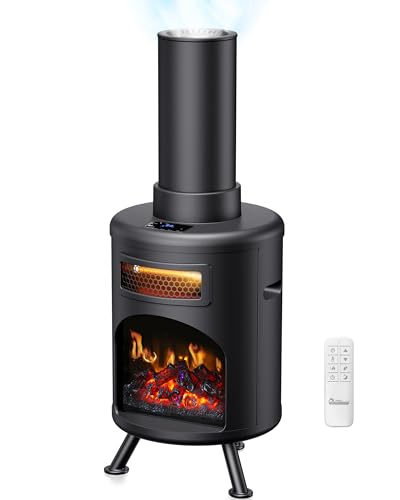
| 2 | DR. INFRARED HEATER DR-991 Fireplace HeaterBest with Humidifier | Rooms where you want infrared heat plus moisture | 1500 | 3D flame, 2 brightness levels | — | Check price |
| 3 | EXNOS Electric Fireplace Stove HeaterBest Timer Control | Users who want quiet operation and timer features | 1500 | 3D flame, 4 brightness settings | — | Check price |
| 4 | Duraflame Freestanding Electric Fireplace StoveBest for Large Rooms | Heating up to 1,000 sq ft with adjustable flames | — | 3D flames & glowing logs | 1,000 | Check price |
| 5 | OLIXIS Freestanding Electric Fireplace 19″Best Simple Controls | Small spaces with straightforward operation | 750 & 1500 | 3D flame effect, glowing logs | — | Check price |
An electric fireplace space heater offers both warmth and ambiance, making it a smart choice for anyone wanting cozy heat with a decorative touch. These heaters plug into standard outlets, provide supplemental zone heating, and create the look of real flames without the hassles of wood or gas.
Choosing the right model means balancing heat output, flame realism, safety certifications, and room size. We break down the top picks and the key specs you need to check before buying.
Best Electric Fireplace Space Heaters for Heat and Ambiance

R.W.FLAME Electric Fireplace Heater 17″
DR. INFRARED HEATER DR-991 Fireplace Heater

EXNOS Electric Fireplace Stove Heater

Duraflame Freestanding Electric Fireplace Stove

OLIXIS Freestanding Electric Fireplace 19″
Check Heat Output and Room Size First

Most plug-in electric fireplace space heaters top out at about 1,500 watts, which is the practical maximum for a standard 120-volt household circuit. This wattage translates to roughly 5,100 BTU of heat output, enough to warm about 150 square feet effectively as supplemental heat.
To pick the right size heater, start by measuring your room’s length and width and multiplying them for square footage. For example, a 12-by-12-foot room is 144 square feet, well within the 1,500-watt heater’s effective range. Larger rooms need multiple units or a higher-capacity system.
Electric fireplaces use electricity directly to generate heat, so at 1,500 watts running for one hour, they consume 1.5 kilowatt-hours. At a typical US residential rate of 17 cents per kWh, that’s about 25 cents per hour of full-power heating. Flame effects, which use far less electricity, don’t add much to this cost.
Avoid plugging a 1,500-watt heater into an extension cord or power strip. The current draw is about 12.5 amps (1,500 watts ÷ 120 volts), close to the 15-amp rating of most household circuits. Overloading outlets risks tripping breakers or worse.
Since electric fireplaces vary little in maximum wattage, your best bet is matching one or more units to room size and layout. If your living room is 300 square feet, one 1,500-watt heater will warm only half. Measuring carefully helps avoid buying a heater that’s too small to make a difference or one unnecessarily large and expensive.
 Winter Heating Bill CutterSee what every heater in your home really costs, heat the rooms you use, and cut the waste in 30 days.Cost-per-hour tables for every heaterThermostat schedule and draft-proofing planRunning-cost and bill calculator (Excel)
Compare Flame Effects and Ambiance Features
Many electric fireplaces offer a flame-only mode that runs the visual effects without heat, allowing you to enjoy ambiance year-round. This mode uses minimal electricity, usually under 50 watts, making it economical and safe for warmer months.
Look for adjustable flame brightness and color options. Some models feature 3D flame effects or flickering LED technology that adds depth and realism beyond flat images. These features create a cozy, inviting atmosphere even when the heater is off.
Realistic touches like glowing wood logs, ember beds, or side windows that show the flames from different angles enhance the illusion of a real fireplace. If you want the most authentic look, choose models that highlight these details.
Remote controls and built-in timers add convenience, letting you adjust the flame intensity, switch heating on or off, and set schedules from across the room. These features improve usability without complicating operation.
If your priority is ambiance without running up heating costs, an electric fireplace with a strong flame effect and flame-only mode is ideal. These units provide the look and feel of a fire without consuming much electricity or producing heat.
Prioritize Safety Features and Certifications
Electric fireplace space heaters must include certain safety features to protect you and your home from fire hazards and electrical issues.
Every model should have a tip-over switch that cuts power if the heater falls. Overheat protection is equally vital; it shuts the heater off if internal temperatures get too high, preventing damage and fire risk.
Look for heaters bearing UL, ETL, or CSA safety certifications. These marks mean the unit has passed independent testing against electrical and fire safety standards—non-negotiable if you want reliable protection.
Never plug your electric fireplace heater into an extension cord or power strip. These devices can overheat or overload, increasing fire risk. Always use a dedicated 120 V wall outlet that can handle 15 amps or more.
Maintain at least 3 feet of clearance around the heater. This space keeps curtains, furniture, and other combustibles away from heat and prevents obstruction of airflow, which could cause overheating.
Follow the manufacturer’s instructions carefully for placement and operation. Improper use or ignoring safety warnings often leads to malfunction, increasing the chance you’ll need electric fireplace repair.
Consider Controls, Timers, and Convenience Features
User-friendly controls improve your experience with electric fireplace space heaters and can help manage energy use efficiently.
Remote controls let you adjust heat levels, flame brightness, and timers without leaving your seat. This convenience is especially nice in cold weather when you want to avoid standing up often.
Timers are a smart safety and energy-saving feature. Set your heater to turn off after a preset time—like 1, 2, or 8 hours—to avoid running it longer than needed.
Mechanical controls typically involve dials or switches that are simple and durable but less precise. Digital controls provide exact temperature settings and programmable timers, making them easier to fine-tune, though they may be a bit pricier or require learning.
Mantel-style electric fireplaces combine heating with a decorative shelf or surround, integrating beautifully into living rooms or dens. They suit homeowners who want a built-in look without the cost or hassle of traditional fireplaces.
Portable freestanding models offer flexibility. You can move them between rooms or store them when not in use, making them a good choice for renters or those who want heat only in specific spaces.
Understand Installation Needs and Maintenance
Electric fireplaces do not need a chimney or venting, making installation simpler and cleaner than gas models.
Installing a gas fireplace often involves running a gas line, venting, and sometimes structural changes, which can cost over $1,500. Electric fireplaces plug into a standard wall outlet and usually require no professional installation, keeping your upfront costs low.
Always plug your electric fireplace heater directly into a wall outlet; extension cords or power strips can overheat and cause electrical hazards.
Routine maintenance is straightforward: dust the unit regularly, wipe down flame effect panels to keep visuals clear, and occasionally check safety switches to ensure they function properly.
Common repair issues include blown fuses or faulty switches, which can stop the heater from running. If your unit fails to turn on or the flame effect malfunctions, it’s best to contact a qualified technician rather than attempt repairs yourself.