

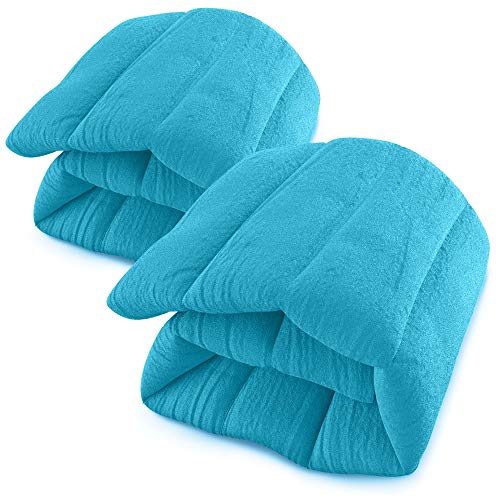
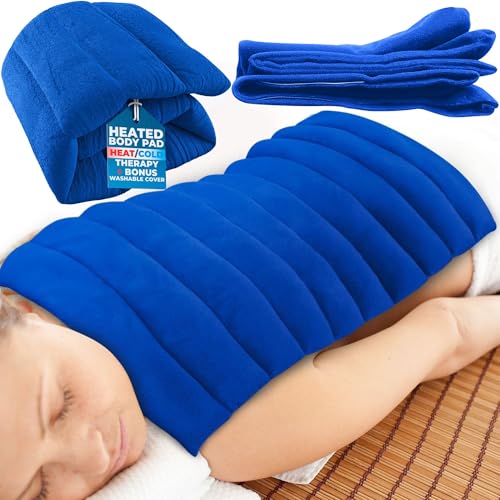


Clay bead heating pads provide penetrating moist heat that relaxes muscles and eases pain without the electrical risks of electric pads. Natural clay beads release moisture during heating, enhancing heat transfer and prolonging comfort.
These pads can be microwaved or chilled for versatile hot and cold therapy. Picking the right size, weight, and care routine helps ensure safe and effective relief.
Clay Heating Pad Comparison
| Model | Best for | Size (inches) | Weight (lbs) | Heating Time (microwave) | Cover Type | Price |
|---|---|---|---|---|---|---|
| ComfortCloud Microwavable Clay Heating Pads 7×22″ | Best Overall | 7×22 | — | 1.5 minutes + 30 sec intervals | Sectional 100% polyester | See it on Amazon |
| ComfortCloud XL Microwavable Clay Heating Pad 13×22″ | Best Large Size | 13×22 | 6 | 1 minute intervals | Removable, washable, microwavable | See it on Amazon |
| Himedi Korean Red Clay Microwave Heating Pad | Best Infrared Therapy | — | — | 4-5 minutes | 100% cotton | See it on Amazon |
| ThermiPaq Clay-Based Hot Cold Pack 9.5×16″ | Best Strap Wrap | 9.5×16 | — | Microwave | Soft fleece with Velcro strap | See it on Amazon |
| HanIl Korean Redclay Hot Cold Pack | Best Korean Red Clay | — | — | — | — | See it on Amazon |
Top Clay Heating Pads for Soothing Natural Heat
ComfortCloud Microwavable Clay Heating Pads 7×22″
ComfortCloud XL Microwavable Clay Heating Pad 13×22″
Himedi Korean Red Clay Microwave Heating Pad
ThermiPaq Clay-Based Hot Cold Pack 9.5×16″
HanIl Korean Redclay Hot Cold Pack
How to Choose Clay Heating Pads for Muscle Relief
Clay heating pads are best for natural, targeted muscle relief because they combine moist heat with a flexible, comfortable design. To pick the right one, start by matching the pad’s size and shape to the body area you want to treat. Smaller pads (8 by 12 inches) suit neck and shoulders, while larger options (over 15 inches) cover back or legs effectively.
Weight matters. Clay beads add heft compared to foam or gel, providing gentle pressure that can enhance relief but may feel cumbersome if you prefer light, mobile pads. Expect 2 to 4 pounds for a medium size; heavier pads hold heat longer but can tire you out when used on sensitive areas.
Heating time and heat retention vary by pad construction. Most microwavable clay bead pads need 1 to 2 minutes to heat and offer 20 to 45 minutes of soothing warmth. Clay beads release natural moisture during heating, which helps penetrate muscle tissue more effectively than dry heat alone.
Natural clay beads outperform synthetic infills because they retain and conduct heat evenly while releasing moisture slowly. This moist heat speeds blood flow and soothes muscle spasms without the hot spots common in electric pads. They also mold better to body contours for targeted relief.
The cover material affects comfort and maintenance. Soft cotton covers feel gentle on skin and wick moisture away, while polyester blends offer durability and easy washability. Look for removable, machine-washable covers to keep your pad clean and fresh.
| Feature | What to Consider |
|---|---|
| Size and Shape | Match to target muscle groups for effective coverage |
| Weight | Heavier pads hold heat longer but may feel bulky |
| Heat Retention | Typically 20–45 minutes of moist warmth |
| Infill Material | Natural clay beads for even heat and moisture release |
| Cover Fabric | Soft, breathable, and machine washable |
Heat Duration of Clay Bead Heating Pads
The heat from clay bead pads typically lasts between 20 and 45 minutes after microwaving, depending on pad size and bead density. Larger pads with more clay beads hold heat longer but also weigh more.
Natural clay beads release moisture as they warm, extending the moist heat effect without overheating. This moisture conducts heat better to sore muscles, making relief feel deeper and more soothing than dry heat.
Compared to dry heat pads, clay bead pads deliver warmth faster and penetrate tissue more effectively. Electric pads often offer adjustable temperatures but can develop hot spots and lack the natural moisture release that clay beads provide.
Safety of Clay Bead Heating Pads for Overnight and Sensitive Skin Use
Clay bead heating pads are not safe for overnight use because they lack automatic shutoff and can overheat if left unattended.
If you have sensitive skin, clay bead pads can be used safely with a few precautions: always use a cover and limit heating time to avoid burns.
Proper heating involves microwaving the pad up to 2 minutes initially, then reheating in 30-second intervals, never exceeding the manufacturer’s recommended time to prevent hot spots.
Burns occur when the pad is too hot or applied too long without a barrier, so always place a cloth cover between the pad and your skin to reduce direct heat exposure.
Skin allergies to the clay beads themselves are rare but possible. If you notice redness, itching, or rash, discontinue use and check the product materials.
How to Clean and Maintain Clay Bead Heating Pads
The best way to clean clay bead heating pads is to remove and wash the fabric cover regularly according to its care label, usually in cold water on a gentle cycle.
Avoid getting the clay bead core wet, as moisture can degrade the beads and reduce heat retention over time.
Check your pad regularly for signs of wear like tears in the cover or leaks of beads, which can reduce safety and effectiveness.
Comparison of Clay Bead Heating Pads and Electric Moist Heating Pads
Clay bead heating pads deliver moist heat naturally by releasing moisture stored in the clay beads when microwaved, providing deep, penetrating warmth without electricity. Electric moist heating pads use internal wiring and a water reservoir or damp cloth to generate heat, usually offering adjustable temperature settings and automatic shutoff for safety.
Heat conduction differs: clay beads hold thermal energy and release it gradually, soaking into muscles for about 20 to 45 minutes. Electric pads heat faster and maintain temperature longer but rely on active electricity and can dry out if the moisture source evaporates.
| Feature | Clay Bead Heating Pads | Electric Moist Heating Pads |
|---|---|---|
| Heat Source | Microwave-heated natural clay beads releasing moist heat | Electric element with water or damp cloth for moisture |
| Heat Duration | 20–45 minutes, then cools | Adjustable, can stay warm as long as plugged in |
| Safety | No electricity; no risk of electrical faults; no automatic shutoff so monitor heating time | Automatic shutoff reduces burn risk; adjustable heat to avoid overheating |
| Flexibility | Molds easily to body contours; cordless and portable | Less flexible; cord limits movement; heavier |
| Maintenance | Remove fabric cover and wash; no electrical parts to fail | Requires cleaning water reservoir or damp cloth; electrical component care |
| Cost | Generally lower upfront and no electricity cost during use | Higher initial cost plus electricity consumption |
Safety leans toward microwavable clay bead pads for users wanting a cordless option free from electrical hazards. However, electric pads with automatic shutoffs reduce burns better than clay pads, which rely on careful heating times.
Portability favors clay bead pads since they’re cordless, lightweight, and easy to warm in any microwave. Electric pads tether you to an outlet and can be bulky, limiting use in places without power.
Cost and upkeep also differ. Clay bead pads avoid electricity fees and have fewer parts that wear out. Electric pads may cost more upfront and require occasional cleaning of water reservoirs, plus the ongoing cost of power.
If you want a natural, flexible, and portable solution with no cords, clay bead heating pads like the ComfortCloud model are ideal. For those who prefer longer-lasting heat with adjustable settings and built-in safety features, electric moist heating pads are worth considering.
Either way, both types provide effective moist heat therapy that increases blood flow, relaxes muscles, and eases pain when used correctly. Your choice comes down to how you prioritize safety features, convenience, and heat control.
Frequently Asked Questions
How long should I microwave a clay bead heating pad?
Can I use clay bead heating pads for cold therapy?
Are there clinical studies supporting clay bead heating pads?
Can clay bead heating pads cause allergic reactions?
What sizes of clay bead heating pads are best for different body parts?
Is it safe to use clay bead pads on children or elderly?
How often can I reheat a microwavable clay heating pad?

I am a mechanical engineer and love doing research on different home and outdoor heating options. When I am not working, I love spending time with my family and friends. I also enjoy blogging about my findings and helping others to find the best heating options for their needs.
Related guides

Discover the Best 2 Ton Heat Pump System for Your Home!
Ready to upgrade your comfort? Find the best 2 ton heat pump system that balances efficiency and performance…
Unveiling the Best Ducted Heat Pump: Worth Every Penny!
Looking for the best ducted heat pump? Find out how to choose the perfect system for comfort and…
The Best Electric Heating for Cozy, Cost-Efficient Warmth
The best type of electric heating is often considered to be infrared heating, as it efficiently warms spaces…
