

Imagine you have a 4×4-foot sauna tent designed for personal use. You already own a 1,500-watt space heater and wonder if it can heat the tent effectively. Running that heater inside the tent may seem convenient, but you risk fire, electrical failure, and poor heat quality.
This article explains why space heaters are unsafe and inefficient for sauna use, what makes sauna heaters different, and which heating options provide a safe, authentic sauna experience.
Why You Shouldn’t Use a Space Heater in a Sauna
You should not use a general space heater inside a sauna. Space heaters aren’t designed to handle the high heat and humidity levels typical of saunas, making them unsafe and ineffective in that environment.
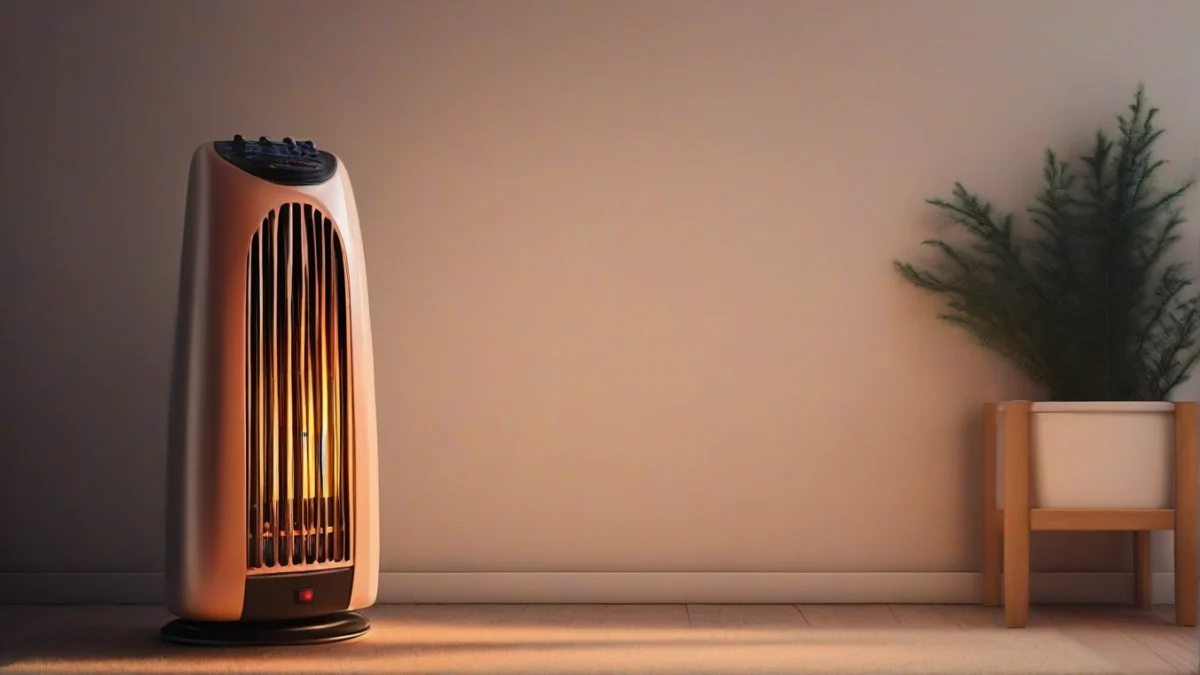
A general space heater is not designed for the extreme heat and humidity inside a sauna. Using one there risks fire or electrical failure because these devices lack the protective features and materials sauna heaters have.
Using a space heater in a sauna risks fire and electrical hazards. The extreme heat can damage the heater’s components, causing short circuits or overheating. Most space heaters also lack the necessary moisture protection, increasing the chance of electrical failure or shock.
Sauna temperatures demand heaters with special designs for safety and durability. Space heaters often have tip-over switches and overheat protection for household use, but these features don’t make them suitable for the sealed, hot, and steamy sauna room.
Energy efficiency is another concern. Space heaters struggle to reach and maintain the 150°F to 195°F target range needed for a true sauna experience. They waste power trying to heat the air without the thermal mass to keep it warm consistently.
In contrast, sauna heaters are built to sustain high temperatures safely and often include sauna stones to store and radiate heat evenly. Space heaters can’t mimic this effect, leading to uneven, uncomfortable heat and increased running costs.
Fire safety guidelines from organizations like the Consumer Product Safety Commission warn against using portable space heaters in high-humidity or flammable environments like saunas. Proper sauna heaters meet specific standards to prevent fire and electrical hazards in these conditions.
How Sauna Heaters Work Differently From Space Heaters
Unlike space heaters that warm air by blowing it around or radiating heat at moderate temperatures, sauna heaters use special heating elements and stones to reach much higher temperatures safely. They provide consistent heat and steam when water hits the stones, creating the sauna’s characteristic environment.
Infrared sauna heaters operate differently by warming your body directly with infrared radiation instead of heating the air. They run at moderate temperatures, usually between 45°C and 65°C (113°F to 149°F), offering a gentler heat experience that some find more comfortable.
Sauna heaters are constructed with materials that tolerate the extreme heat and moisture inside a sauna. Their metal casings, insulation, and electrical components are rated specifically for these conditions, preventing damage and hazards common with space heaters in such environments.
The sauna stones themselves play a critical role. Heated stones provide thermal mass that smooths out temperature swings and store energy to keep the sauna warm after the heater cycles off. Pouring water over these stones creates steam, raising humidity and enhancing the heat sensation.
This steam generation is a key feature sauna heaters provide that space heaters don’t. It transforms the dry heat into a traditional steam sauna experience, which is impossible with the sealed heating elements or ceramic panels in space heaters.
Infrared sauna heaters treat the body differently by penetrating skin and warming tissues more directly. While they don’t get as hot as electric sauna heaters or create steam, they offer a distinct therapeutic effect and lower energy use for smaller sauna rooms.
Because sauna heaters are purpose-built, their thermostats and controls are calibrated for sauna conditions. They maintain the right temperature safely and ensure the heater cycles properly, avoiding overheating or underperformance common with space heaters used outside their design limits.
In short, an electric sauna heater uses heating elements and stones for safe, high-temperature heat; an infrared sauna heater provides direct body warming at moderate heat; and a sauna stones heater combines heat storage with steam generation to recreate the classic sauna environment.
If you want a heater that works reliably and safely in a sauna, choose one designed for its unique environment rather than adapting a general space heater meant for open rooms.
For more on electric sauna heaters, see electric sauna heater and for details on infrared options, check infrared sauna heater.


Safe Heating Alternatives for Saunas
The safest alternatives to general space heaters are heaters made specifically for saunas. Electric sauna heaters use resistant coils built for high heat and controlled temperatures. Infrared sauna heaters warm your body directly through light waves, operating at lower air temperatures. Wood-burning sauna stoves offer authentic heat and aroma but need proper ventilation and space.

Infrared heating panels offer a different experience by warming your body directly instead of the air. They operate at lower temperatures, typically 95-150°F, and create a gentler heat that some find more comfortable. Portable infrared dry heat sauna heaters are a safe alternative inside homes without electricity access for traditional sauna heaters, as they use less power and avoid steam.
Wood-burning sauna stoves remain popular for authentic heat and aroma. They require proper installation, well-ventilated spaces, and a steady wood supply. These stoves heat the air and stones traditionally but are best suited for outdoor or rural homes due to smoke and ventilation needs.
Gas sauna heaters provide powerful heat but come with stricter safety requirements. Professional installation is mandatory to ensure proper ventilation and avoid carbon monoxide risks. These heaters are less common in residential saunas but are an option where electric power is limited or for larger commercial saunas.
If you’re searching for a safe alternative to electric heaters like Mr. Heater propane models, avoid using portable propane or kerosene heaters inside the sauna. They pose serious fire, carbon monoxide, and explosion hazards in enclosed, hot, humid environments. Instead, choose one of the sauna-specific heat sources listed above, designed for sauna conditions.
How to Size and Install a Sauna Heater Safely
Sizing a sauna heater depends on the sauna’s volume, usually measured in cubic feet. A common rule is about 1 kW of heater power per 50 cubic feet of sauna space. Proper installation means following the manufacturer’s instructions, ensuring correct electrical wiring, and maintaining required clearances to combustibles for safety.
Mount your heater according to the manufacturer’s instructions, ensuring proper clearance from walls and combustibles. Most sauna heaters require at least 6 inches of space on each side and a safe distance above to prevent heat damage. Improper mounting risks fire and voids warranties.
Electric sauna heaters must be on dedicated circuits rated for their amperage—never plug them into extension cords or general outlets. Use a thermostat control to avoid overheating and maintain stable temperatures. This setup also improves energy efficiency and safety.
Ventilation is crucial. Even dry saunas need a fresh air supply to prevent stuffiness and maintain oxygen levels. Proper vent placement supports heat circulation and removes excess humidity, reducing moisture damage to the sauna structure.
Portable heaters, including electric or infrared, should be used only if designed for sauna conditions and installed securely to prevent tipping. Propane or gas heaters must never be used inside unless properly vented and installed by professionals due to carbon monoxide risks.
Maintenance and Operation Tips for Sauna Heaters
Regular maintenance keeps sauna heaters safe and efficient. Clean heater stones occasionally to prevent buildup. Inspect electrical connections yearly for wear or damage. Follow the manufacturer’s guidelines for replacing parts and never bypass safety features like thermostats or overheat cutoffs.
Inspect heating elements and sauna stones at least once a season. Cracked stones reduce heat distribution and can expose elements, leading to premature failure or unsafe conditions.
Avoid splashing water on electric components unless the heater is specifically designed to handle steam. Excess moisture can short circuits and trip breakers, a common cause of space heater failures indoors.
Check wiring connections and circuit breakers annually to spot wear or corrosion. Sauna heaters typically draw significant current, so loose wiring can cause dangerous overheating or fire risks that space heater users often report.
Use the built-in thermostat and timer controls to maintain safe operating temperatures and prevent continuous running. Overheating a sauna heater increases stress on its parts and the risk of fire, unlike oil heaters that have slower heat-up but still need proper controls.
Safe indoor space heaters include features like tip-over shutoff and overheat protection, but these alone don’t make them suitable for sauna use. Sauna heaters are built with triple-wall construction or enclosed heating tubes to handle sauna conditions safely.
Questions People Ask
Can a space heater be safely used inside a sauna tent?
Why do sauna heaters use stones or infrared panels instead of just blowing hot air?
Are propane or kerosene heaters safe for indoor sauna use?
How do I calculate the correct sauna heater size for my sauna?
Can infrared sauna heaters replace traditional electric sauna heaters?
What are the key safety features to look for in a sauna heater?

I am a mechanical engineer and love doing research on different home and outdoor heating options. When I am not working, I love spending time with my family and friends. I also enjoy blogging about my findings and helping others to find the best heating options for their needs.
Related guides

GiveBest Ceramic Heater Review: Thermostat Control & Quiet Operation
Ever wonder which heater truly masters temperature control? Our GiveBest Space Heater guide reveals the top thermostat-equipped models…
Stadler Form Anna Heater Review: Our Expert Assessment
Our expert review assesses the Stadler Form Anna heater's performance, efficiency, and safety. See if its sleek design…
Ceramic Space Heaters for Small Rooms: Fast Heat, Low Noise
Which small ceramic heater truly fits your space? Compare top-rated small room ceramic space heater options for cozy,…
