

Getting it wrong costs you twice: first in comfort, then in repair bills when the unit short-cycles, throws condensate where it shouldn’t, or trips the breaker. A cramped room can also make the heater noisier and less efficient than the brochure promised.
The indoor answer is simple; the setup is not. A heat pump water heater steals heat from the room air, so your job is to give it enough space, a drain for condensate, and power that matches the nameplate.
Can a Heat Pump Water Heater Be Installed Indoors?
Yes, you can install a heat pump water heater indoors, including the Rinnai REHP50 model, which is designed to pull heat from room air without combustion or venting.
These heaters require the installation space to have enough air volume or transfer air, a condensate drain, and a dedicated 240 V, 30 A electrical supply.
DIY installation is only reasonable if you’re a skilled homeowner comfortable with plumbing shutoffs, electrical isolation, and local permit rules. Most people should hire a licensed plumber or electrician for the power hookup and final connections.

What The Room Has To Give It
Installing a heat pump water heater indoors means the room has to offer more than just space—it must provide enough ambient air for the unit to pull heat from efficiently. A tiny, sealed closet might fit the heater but will hurt its performance and could cause it to cycle on and off more often.
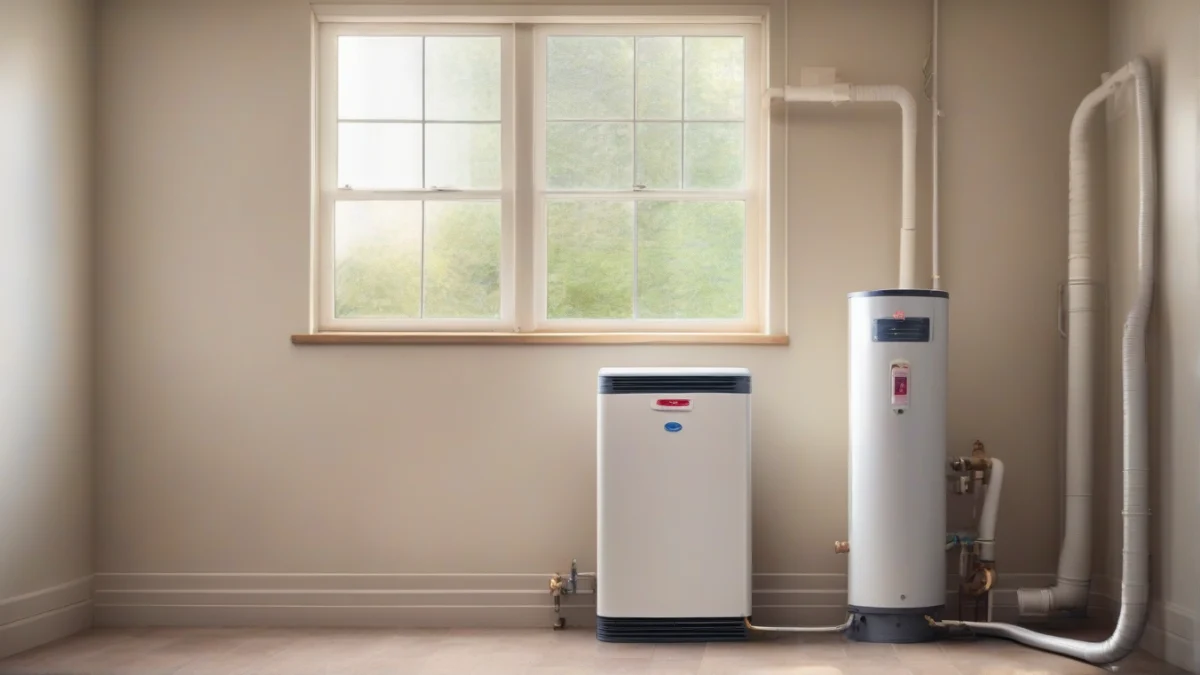
You’ll want at least a few feet of clearance around the unit for service access. The manufacturer’s manual specifies exact numbers, but 2 to 3 feet on all sides is a good rule of thumb. Also, the room needs a floor drain or a condensate pump setup since these heaters produce water from the air they cool. Without proper drainage, you risk water damage or mold growth.
Consider where the cooled exhaust air will go. A heat pump water heater lowers the room temperature slightly by pulling heat out of the air. Basements, utility rooms, and conditioned garages are common indoor spots because they can handle cooler air without making people uncomfortable. An unheated garage, especially in cold climates, might end up too cold for the heater to work well and could freeze pipes.
If you’re enclosing a tankless water heater indoors, the rules are similar but stricter. You need to maintain adequate airflow around the unit and proper venting for exhaust gases according to local code. Unlike heat pump water heaters, tankless models burn fuel and must vent combustion gases outside.
If you’re still weighing indoor versus outdoor placement, compare the requirements for outdoor tankless water heater installation to see which location fits your setup better.
Install It In Order
Installing a heat pump water heater indoors demands a clear sequence to avoid leaks, power issues, and poor performance. Start by turning off the main power at the breaker, then close the water supply valve to the old tank. Verify the old tank is safe to remove without water or electric hazards.
After plumbing, restore the water supply and purge air from the system by opening hot water taps until flow is steady. Then, switch the breaker back on to power the unit. Watch for leaks around connections and listen for airflow—no unusual noises or error codes should appear on the control panel.
Indoor tankless water heaters like the Gasland Gasmart E Propane model (up to 7.6 GPM, 199,000 BTU) follow similar steps but need a propane gas line, proper venting, and a 120/240 V power source. The propane supply must be shut off first, and vent pipes installed according to manual and code.
Portable foldable indoor gas heaters also require powering off and disconnecting gas lines before installation. Ensure you have ample ventilation and a suitable gas source; these devices are less common for permanent water heating but useful for supplemental heat.
Permits, Power And The Pro You May Need
Installing a heat pump water heater indoors usually requires a permit, especially if you’re replacing an existing unit or adding a new 240 V circuit. Local regulations decide whether an inspection is mandatory, so check with your city or county building department first.
Any work involving a 240 V circuit—like installing a dedicated breaker or altering branch wiring—typically calls for a licensed electrician. These jobs aren’t just about flipping a switch; improper wiring risks fire or equipment damage.
If your installation involves plumbing changes such as adding unions, shutoff valves, expansion tanks, or a temperature and pressure (T&P) valve discharge line, a licensed plumber is the safer choice. These parts ensure your system runs safely and meets code.
Local codes may also require noise limits, proper condensate drain routing, and seismic strapping in earthquake-prone areas. These rules vary widely, so verify what applies where you live.
For those wondering about portable foldable indoor gas heaters: these are a different category and often have stricter ventilation and safety rules. Always follow the manufacturer’s guidelines exactly.
Questions about international brand installations, like adding pipes for villa centralized heating or underfloor heating renovations, usually fall under specialized plumbing and heating contractors. Costs vary by region and complexity, but pipe additions indoors must respect local plumbing codes.
Brands like Rheem do offer heat pump water heaters suitable for indoor installation, provided the space meets airflow, drainage, and electrical requirements.
The Mistakes That Cause Leaks Or Damage
The main causes of leaks and damage in indoor heat pump water heater installs include skipping the condensate drain, using an undersized electrical supply, poor airflow around the unit, missing a leak pan where local code requires one, and installing rigid piping that stresses tank fittings.

Lifting the heater without leaving enough space to service top and side connections often turns a simple repair into a demolition project. Always plan for at least a few inches of clearance around these points.
For those with indoor tankless water heaters, enclosing the unit requires careful attention to ventilation and clearance to prevent overheating and maintain safe operation. Installation inside a cabinet or closet must meet local code and manufacturer instructions.
Indoor tankless water heater installation shares many pitfalls with heat pump water heaters, such as ensuring proper clearance, avoiding water leaks at connections, and providing adequate airflow. Skipping these steps risks damage and poor performance.
What To Do Next
Yes, you can install a heat pump water heater indoors if the conditions are right. Check the room’s airflow, drainage, and whether it has a dedicated 240 V, 30 A circuit before you move forward.
Start by measuring the space and comparing it with the manufacturer’s installation clearances. These clearances ensure the unit gets enough air and service access without crowding. If your space is tight, damp, or lacks drainage, don’t force the fit. Pick a different location or consider a water heater type better suited for those conditions.
If adding a new circuit or plumbing connections is necessary, line up licensed tradespeople first. Permits and inspections are common for this kind of work, so schedule those alongside your install to avoid delays and code issues.
When comparing models, focus on the first-hour rating and electrical requirements that match your household size and power setup. For homes of three to four people with high hot water demand, Product 1 fits well. It delivers up to 73 gallons in the first hour and runs on a standard 240 V, 30 A circuit.
More water heaters guides on HeaterGuides.
Frequently Asked Questions
Can you install a heat pump water heater indoors in a basement?
How much room does an indoor heat pump water heater need?
Do you need a drain for a heat pump water heater indoors?
Do you need a permit to install a heat pump water heater?

HeaterGuides covers home heating, water heating and HVAC: how the equipment works, what it costs to run, and how to use it safely.