

You pulled a can of corned beef from the pantry on a Tuesday night, expecting a quick dinner. Ten minutes later you’re staring at a rubbery, dried-out slab that tastes more like salty shoe leather than the tender, spiced meat you remember from a deli counter. Sound familiar?
The problem isn’t the meat. It’s the method. Most people treat corned beef like leftover steak and blast it in the microwave or toss it in a screaming-hot skillet. That approach ruins the texture every single time. This guide walks through the actual science of reheating corned beef—whether it’s canned, from a deli, or a leftover from your St. Patrick’s Day feast—so you get moist, flavorful slices instead of a sad pile of protein.

Iberia
Iberia Corned Beef, 12 oz, Premium Quality…
- PREMIUM QUALITY CORNED BEEF: Made with tender, premium quality meat, Iberia corned beef is specially cured for a balanced flavor t…
- VERSATILE: Slice it up and fry it with onions, potatoes, and eggs for a classic breakfast. Or, layer thin slices between bread for…
- SEASONED TO PERFECTION: Iberia Corned Beef is specially prepared with beef and savory seasonings for a delicious homemade taste.
You’ll leave with exact temperatures, timing charts, and a method-by-method comparison. No vague advice about ‘heating until warm.’ You’ll know precisely why one technique works and another fails.
If you’re working with canned corned beef, the Iberia Corned Beef 12 oz can is a solid starting point. It’s fully cooked, so your job is just reheating—not cooking. The meat holds its shape well when heated gently, which makes it forgiving for beginners. That’s the kind of product that rewards a careful technique.
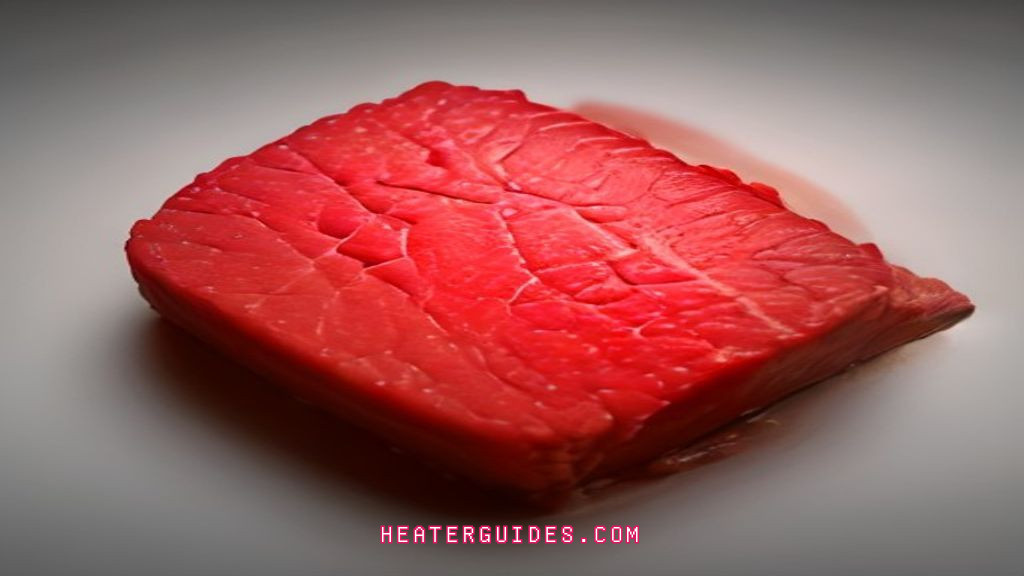
Myth #1: The Microwave Is Always the Enemy

Everyone says microwaves destroy corned beef. That’s not entirely true. The microwave fails when you use full power and walk away. It succeeds when you treat it as a low-heat steaming device.
The real issue is moisture loss. Corned beef brisket is already lean. Microwave radiation excites water molecules violently, and at 100% power, that water turns to steam and escapes. The meat’s internal temperature spikes past 165°F (74°C) quickly, squeezing out the remaining juices and leaving you with tough fibers.
But a microwave set to 30% power, with the meat covered by a damp paper towel, works differently. The towel traps steam, creating a humid microclimate. The low power setting allows the heat to penetrate gradually. You can reheat a 4-ounce portion in about 90 seconds without ruining it.
The catch? Canned corned beef, like Iberia’s version, is denser than freshly sliced deli meat. That density means you need to break it apart slightly with a fork before microwaving. Whole chunks heat unevenly and often burst, leaving cold spots in the center.
So, microwave works for small portions when you’re in a hurry. It’s not the best way to heat up corned beef for a family dinner, but it’s not the disaster most articles claim.
Myth #2: Boiling in Water Keeps It Moist
People boil corned beef to reheat it because they think water equals moisture. In reality, boiling leaches flavor and makes the meat waterlogged. The salt and spice rub on the surface dissolves into the water. What you’re left with is bland, soggy beef that tastes like a weak broth.
Simmering—not boiling—is a different story. A gentle simmer at 180°F (82°C) for 10-15 minutes can work for canned corned beef. The key is keeping the water below a rolling boil. Bubbles should barely break the surface. Any more heat and you’re back to flavor loss.
Even better than plain water is a flavored liquid. Use beef broth or a mix of water and apple cider vinegar. This adds a little acidity that cuts through the saltiness. The meat absorbs some of that liquid, which compensates for what it lost during storage.
But simmering has a ceiling. It works fine for shredded corned beef or chunks destined for hash. For intact slices you want to serve on a plate, simmering makes them fragile. They fall apart when you try to lift them out of the pot.
The Stovetop Steam Method (Best Overall for Canned)
Steaming is the gold standard for canned corned beef. It reheats gently, adds no extra fat, and preserves the structural integrity of the meat. Here’s the exact process:
- Place a steamer basket in a pot with about 1 inch of water. The water should not touch the basket.
- Break the corned beef into 2-3 large chunks. Leave them chunky—don’t shred yet.
- Bring the water to a boil, then reduce to medium-low so it’s at a gentle simmer.
- Put the meat in the basket, cover the pot, and steam for 8-10 minutes for a 12-ounce can.
- Check internal temperature with a probe thermometer. You want 145°F (63°C) in the thickest piece.
- Remove, let rest for 2 minutes, then slice or shred.
Why does this work? Steam transfers heat efficiently but doesn’t exceed 212°F (100°C) at sea level. That’s far gentler than a hot pan surface. The meat’s proteins relax and rehydrate without denaturing further. You get a texture close to freshly cooked corned beef.
This method also handles the entire 12-ounce can at once. That makes it the best way to heat up corned beef when you’re feeding two or three people. It’s not the fastest—takes about 15 minutes total—but the results justify the wait.
One caveat: don’t steam for too long. After 15 minutes, the meat starts to break down into mush. Set a timer.
Oven Method for Large Batches or Slices
If you’re reheating a whole corned beef brisket from a deli or a large leftover slab, the oven is your friend. It handles big cuts that won’t fit in a steamer basket.
Preheat your oven to 275°F (135°C). That’s low—lower than most people expect. At 350°F, the outside dries out before the inside warms through. At 275°F, you give the heat time to penetrate evenly.
Wrap the corned beef tightly in aluminum foil. Add 2 tablespoons of beef broth or water to the foil packet before sealing. This creates steam inside the packet, keeping the meat moist. Place the packet on a baking sheet to catch any drips.
Heating time depends on thickness and starting temperature. A 2-pound brisket from the fridge takes 45-60 minutes. A 3-pound piece takes 75-90 minutes. The target internal temperature is 150°F (66°C)—slightly higher than the steam method because you’ll be slicing it, and the extra warmth helps with that.
Let the meat rest for 10 minutes after removing it from the oven. This redistributes the juices. Slice against the grain, and you’ll get tender pieces instead of stringy shreds.
This method is also great for reheating corned beef hash. Spread it in a baking dish, add a splash of broth, cover with foil, and heat for 20 minutes at 275°F. Stir halfway through.
Comparison Table: Heat Methods Ranked
| Method | Best For | Time | Internal Temp Target | Moisture Retention | Effort |
|---|---|---|---|---|---|
| Stovetop Steam | Canned or chunked meat | 8-12 min | 145°F (63°C) | Excellent | Low |
| Oven (foil packet) | Whole brisket, large slices | 45-90 min | 150°F (66°C) | Very good | Medium |
| Microwave (30% power) | Single portions, quick meals | 90 sec per 4 oz | 145°F (63°C) | Good | Very low |
| Skillet (low heat, covered) | Shredded meat, hash | 5-8 min | 145°F (63°C) | Fair | Medium |
| Simmering (not boiling) | Shredded meat for soups | 10-15 min | 160°F (71°C) | Fair | Low |
The skillet method deserves a quick note. It works if you add a tablespoon of butter or oil to the pan, keep the heat at medium-low, and cover the pan with a lid. The trapped steam helps, but the direct contact still dries out the surface. It’s fine for hash where you want crispy bits, not for serving slices.
Sous Vide: The Overkill Option That Works
If you own a sous vide circulator, you already know where this is going. It’s the most precise way to reheat corned beef, but it’s also the most equipment-dependent.
Set the water bath to 140°F (60°C). Place the corned beef in a vacuum-sealed bag or a zipper-lock bag with the air pressed out. Submerge and heat for 30-45 minutes. That’s it. The temperature never exceeds 140°F, so the meat can’t overcook.
This method shines for deli-sliced corned beef that tends to dry out with other methods. The slices stay separate and moist. It’s also the best way to heat up corned beef if you’re serving it cold later—just chill the bag in an ice bath after heating and you have ready-to-slice meat.
The downside is time. You need at least 30 minutes, plus setup and cleanup. For a quick weeknight meal, that’s a hard sell. But for a special occasion or meal prep, it’s worth the effort.
Five Questions People Actually Ask
Can you reheat corned beef twice?
Technically yes, but you shouldn’t. Each reheat cycle pushes the internal temperature past 145°F, which causes more moisture loss and makes the fibers tighter. The second reheating will always be worse than the first. If you have leftovers after reheating, use them cold in sandwiches or chop them into a hash rather than reheating again.
Why is my reheated corned beef always salty?
Corned beef is brined in salt, so some saltiness is inherent. The issue is often that you’re concentrating the salt by evaporating moisture. Dry heat methods like an uncovered oven or a hot skillet remove water, leaving a higher salt concentration per bite. Steaming or simmering in plain water dilutes the surface salt slightly. If it’s still too salty, soak the slices in cold water for 10 minutes before reheating, then pat dry.
Is canned corned beef already cooked?
Yes. Canned corned beef is fully cooked during the canning process, which uses high pressure and heat. You don’t need to cook it—only warm it through. That’s why the target temperature for reheating is 145°F, not the 160°F you’d use for raw meat. Overcooking canned corned beef makes it mushy and dry at the same time, which is an unpleasant combination.
What’s the fastest way to heat up corned beef without ruining it?
The microwave at reduced power is the fastest reliable method. Cut the meat into small chunks, place them in a microwave-safe bowl, cover with a damp paper towel, and heat at 30% power in 30-second bursts. Check the temperature between bursts. For a 4-ounce portion, this takes about 90 seconds total. It won’t be as good as steaming, but it’s far better than nuking at full power.
Can you heat corned beef in an air fryer?
You can, but I don’t recommend it for slices. The air fryer’s high-velocity fan dries out the surface quickly. If you must use one, set it to 250°F (121°C), wrap the meat in foil with a splash of broth, and heat for 5-7 minutes. The foil protects the meat from direct airflow. Skip the air fryer entirely for shredded corned beef—it turns into leather.
What Actually Matters: A Quick Recap
- Low heat beats high heat. Always. Target 145°F internal, not boiling hot.
- Moisture is your friend. Add broth, water, or steam to compensate for what storage removed.
- Steaming is the most reliable method for canned or chunked corned beef. It’s fast, easy, and preserves texture.
- Oven at 275°F with a foil packet is the best way to heat up corned beef when you have a whole brisket.
- Microwave works if you use 30% power and a damp paper towel. Full power is a one-way ticket to rubber.
- Never boil corned beef. Simmering is acceptable, boiling ruins it.
- Let the meat rest for 2-5 minutes after heating. This lets the juices redistribute instead of spilling out when you slice.
If you’re reheating canned corned beef, the Iberia 12 oz can responds well to the steam method. It’s a consistent product that doesn’t fall apart easily, which gives you room for error. For more reheating wisdom, check out this guide on heating roast beef—the principles overlap more than you’d think. And if you’re planning a full meal, don’t forget the sides; corn tortillas for tacos heat up fast and pair well with leftover corned beef.
Your next can of corned beef deserves better than a microwave blast. Ten extra minutes of steaming gives you meat that actually tastes like something. That’s not a hard trade.

HeaterGuides covers home heating, water heating and HVAC: how the equipment works, what it costs to run, and how to use it safely.
