

A broken knob can leave the heater hard to set, but the knob itself is only the visible part. The real job is matching the shaft type, turning the unit off safely, and checking whether the control behind the knob is worn out too.
For electric wall heaters, this is often a straightforward repair. For gas wall heaters or any unit with a damaged valve, wiring, or burner control, the knob is just the symptom, not the problem.
How To Replace A Wall Heater Knob
Replacing a wall heater knob is a doable DIY task if the heater is electric, the control shaft is intact, and the knob matches the shaft type. Avoid this job on gas heaters or if the control feels loose or rough, since that hints at deeper problems needing a pro.
Most wall heater knobs either push on or secure with a set screw. Identify your heater model by checking the label inside the heater’s access panel or the owner’s manual. The knob shaft shape is usually either round with a flat edge or a D shape, which determines what knob fits.
What To Buy When The Knob Is Missing
The best wall heater knob replacement fits the heater’s control shaft precisely; buying the wrong type wastes time and risks damage.
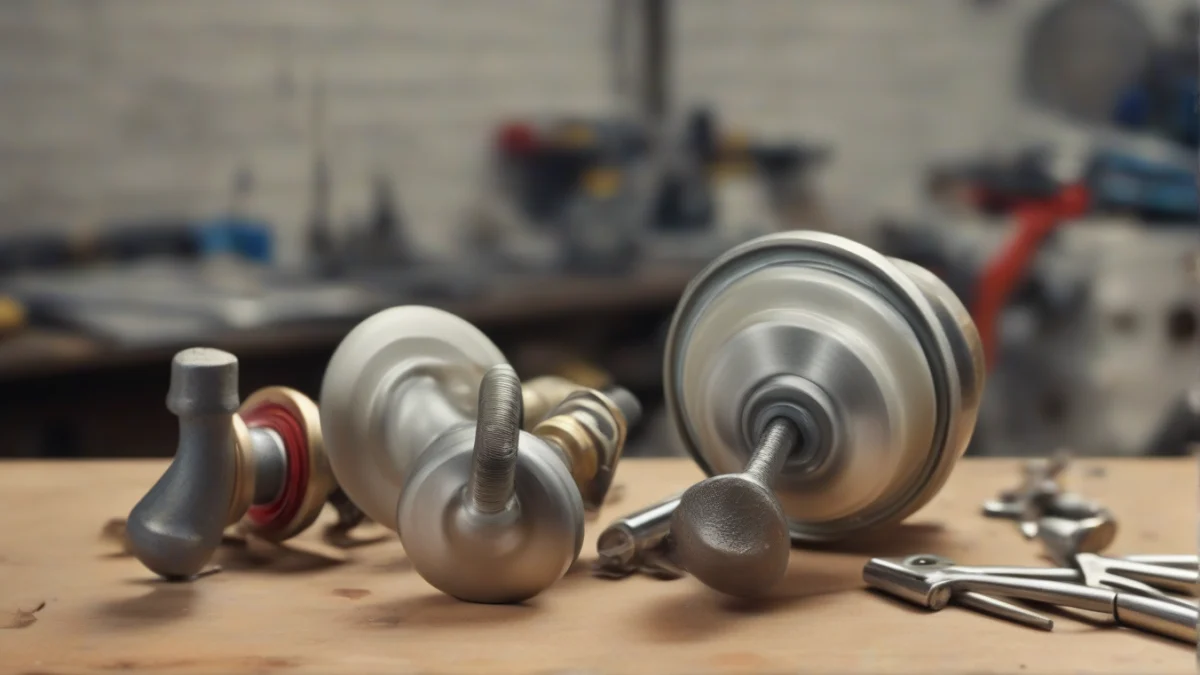
Knobs generally come as push-on or set-screw types. Push-on knobs slip onto a shaft with a flat side or a D-shaped profile and rely on friction. Set-screw knobs secure with a tiny screw that tightens against the shaft. Knowing which fits your heater is crucial.
Shaft shapes fall into a few common categories: round, D-shaft (flat on one side), and sometimes splined or keyed for specific models. If your heater’s shaft is round, a round push-on knob or set-screw knob designed for that diameter is needed. For a D-shaft, only a D-shaped knob matches correctly.
If you see a small hole at the faceplate where the knob fits, that hole’s diameter and shape determine the knob you must buy. Generic furniture knobs won’t work because they lack the right internal shape or size to grip the control shaft. Look for a control knob made specifically for wall heaters.
Use your heater’s model number and take a clear photo of the control shaft before shopping. That’s the best way to find a knob that fits. You can show the photo to a parts dealer or search online for exact matches.
| Symptom | Likely Part |
|---|---|
| Knob missing, shaft intact | Knob replacement |
| Shaft loose or wobbly | Control assembly |
| Knob slips or won’t stay on | Knob or shaft damage |
| Face hole very small and tight | Specialized knob for shaft diameter |
Mistakes That Damage The Heater
Is there a reasonable gas heater to replace a wall unit? Yes, but never attempt knob repair or replacement on a gas heater without professional help if you smell gas or find damaged wiring.
Forcing a stuck knob risks stripping the shaft or cracking the control stem inside. Knobs that won’t turn usually mean the control is seized or damaged, not just the knob itself.
Over-tightening a set-screw knob can crush or deform the shaft, making future repairs harder or causing the knob to slip. Tighten screws just enough to hold the knob firmly without forcing it.
Prying a knob off by levering against the heater faceplate can crack the heater’s trim or damage wiring behind it. Use gentle rocking motions or a flat tool applied carefully to the knob base instead.
A knob that turns but doesn’t change the heater’s operation usually means the internal control or valve is worn or broken. Replacing the knob won’t help; the control assembly likely needs service or replacement.
When To Call A Licensed Pro Or Get A Permit
Electric wall heater knob replacements usually don’t require a licensed pro if you keep the heater unplugged or the circuit breaker off and avoid touching the wiring inside.
Gas wall heaters are a different matter. Any work involving the gas valve, burner, venting components, or if you smell gas, must be handled by a licensed technician. Repairs or replacements on gas equipment carry risks that go beyond a simple knob swap.
Permits typically aren’t needed when you only swap the knob on the heater’s exterior control. Local codes can vary, though, especially if you alter gas piping, electrical wiring, or change the heater itself.
Replacing the battery in a wall thermostat is a separate task from changing a heater knob. If your room’s temperature control is via a wall thermostat rather than a knob on the heater, simply remove the thermostat cover and replace the battery following the manufacturer’s instructions. No permits or licenses are usually required for this.
Regarding finding a reasonable gas heater to replace a wall unit, options exist but depend on your space and venting setup. A licensed pro can help you select and install a suitable replacement safely and according to code.
Before You Buy, Light Or Call A Technician
If you replace the knob and the heater still won’t control temperature properly, the issue may lie deeper inside the control mechanism or thermostat wiring. That’s when calling a technician for diagnosis is the safest step.
For replacing batteries in wall thermostats, refer to your thermostat’s manual. Usually, it involves removing the cover and swapping AA or AAA batteries. This task is distinct from knob replacement and usually straightforward.
The best wall heater knob replacement fits precisely and feels snug on the shaft. Avoid forcing a knob that feels loose or gritty, as this can damage the control shaft or internal parts.
More Questions, Answered
How do I know if my wall heater knob is push-on or set-screw?
What do I do if the heater shaft is broken or wobbly?
Can I replace a wall heater knob without turning off the breaker?
Is a wall heater knob replacement the same as replacing a thermostat?
What if the heater turns but won’t switch on or off?
Do I need a permit to replace a wall heater knob?

I am a mechanical engineer and love doing research on different home and outdoor heating options. When I am not working, I love spending time with my family and friends. I also enjoy blogging about my findings and helping others to find the best heating options for their needs.
Related guides
Real Flame Foster 25: The Cozy Electric Fireplace You Need!
Ignite your space with the Real Flame Foster 25" Electric Fireplace! Read our review to see how it…
Why the Honeywell UberHeat 5 is Perfect for Cozy Small Spaces
Stay warm this winter with our in-depth Honeywell UberHeat 5 Ceramic Space Heater review. Find out if it's…
How To Heat A Boat Cabin: Best Methods & Safety Tips
Step-by-step boat cabin heating advice: safe options, install checks, common mistakes, and when a licensed pro is worth…
