

Many assume the E3 code always means a costly component failure. That’s only half true: often it’s triggered by temporary overheating or blocked airflow that you can fix yourself.
Understanding the exact causes and tests for fan and sensor operation can prevent recurring errors and unsafe use. This article breaks down the E3 code mechanism, diagnostics, and maintenance steps in detail.
What the Electric Heater E3 Code Means
The E3 error code on electric heaters signals that the overheat protection system has activated. This safety feature shuts the heater off when internal temperatures rise too high, preventing damage or fire risk.
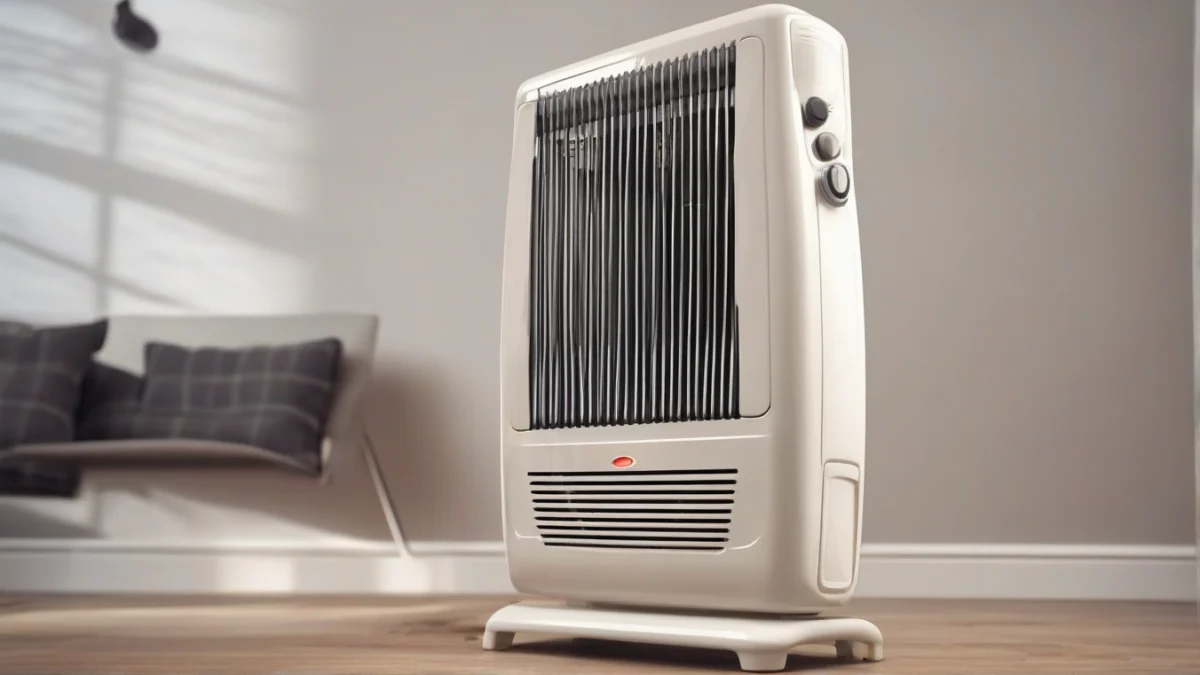
You’ll often see the electric fireplace E3 error code when vents are blocked or dust has built up inside, choking airflow. Loose wiring or a malfunctioning fan can also cause heat to build and trigger the E3 code. The heater’s sensors detect this and shut down the unit to protect it.
To reset the error, unplug the heater or fireplace and leave it disconnected for 15 to 20 minutes. This cooldown period allows internal components to drop below the threshold temperature. After that, plug it back in and see if the code clears.
Installation clearance matters too. If the heater or electric fireplace is too close to walls, furniture, or curtains, airflow can be restricted, causing heat buildup and triggering the E3 code. Make sure vents and air intakes have at least the minimum clearance recommended by the manufacturer.
Blocked vents, dust accumulation, loose wiring, fan failure, and improper installation are the usual suspects behind the E3 error on electric heaters and fireplaces. Resetting is a quick first step but don’t skip the inspection and cleaning.
How Temperature Sensors and Fans Trigger the E3 Code
Temperature sensors inside the heater monitor heat levels continuously. If the sensor detects a temperature above safe limits, it triggers the E3 code and shuts the unit down. Fans are supposed to run to cool the heater and maintain airflow. If the fan fails or air vents are blocked, heat builds up and causes the error.
Temperature sensors inside the heater constantly monitor heat levels. If a sensor detects a rise beyond safe limits, it triggers the overheat protection and the E3 code. Fans help cool the unit by moving air through vents; if a fan fails or the vents are blocked, heat builds up quickly, causing the code to appear.
Fans play a critical role in maintaining airflow to cool internal parts. If the fan isn’t spinning freely, is noisy, or clogged with dust, it can’t move enough air to keep temperatures down. That leads to heat buildup and sensor activation.
- Listen for unusual fan noises or grinding sounds.
- Check that the fan blades spin smoothly by hand with power off.
- Clean dust and debris from fan blades and motor housing.
Failure of either the temperature sensor or the fan motor can cause the E3 error. A broken sensor might falsely detect overheating, or a stalled fan might actually cause the heater to overheat.
The heater’s electronic control board constantly monitors inputs from sensors and fans. It triggers the E3 error code when it detects unsafe conditions from either component.
Knowing exactly which sensor triggers the E3 error varies by model but it’s usually the thermal cutoff or temperature sensor near the heating element. Common fan problems causing E3 include seized bearings, dust buildup, and electrical faults in the motor.
Why Room Temperature and Installation Affect E3 Errors
Room temperature and how you install the heater affect how often the E3 code appears. A heater in a cramped space without enough clearance can’t ventilate properly, causing heat to build quickly. Similarly, a room that’s already very warm leaves less margin before the safety cutoff trips. Keeping vents clear and following installation guidelines reduces these problems.
Air intake and exhaust vents require proper clearance to function safely. Most electric heaters need at least 3 inches of space around vents to allow unrestricted airflow. Tight cabinetry or blocking vents with furniture creates heat buildup that trips the E3 code.
Incorrect installation often restricts ventilation, such as placing the heater too close to walls or inside enclosed areas without enough open air. These common mistakes reduce airflow, causing heat to accumulate inside the unit.
Building codes mandate ventilation standards for electric fireplaces and heaters to prevent hazards. Those standards specify minimum clearances and airflow requirements that installers must follow to avoid E3 errors and ensure safe operation.
If your heater sits in a cramped spot or behind obstacles, airflow restriction can repeatedly cause the overheat protection to trigger. Double-check clearances and relocate or remove obstructions to keep air moving freely around your unit.
Step-by-Step Maintenance to Prevent Recurring E3 Errors
Regular cleaning and inspection help prevent E3 errors. Dust clogs vents and settles on sensors, making them less accurate or triggering false alarms. Fans should spin freely without obstruction. Check wiring connections for damage or looseness, as these can cause extra heat. Following a maintenance schedule every few months keeps the heater running safely.
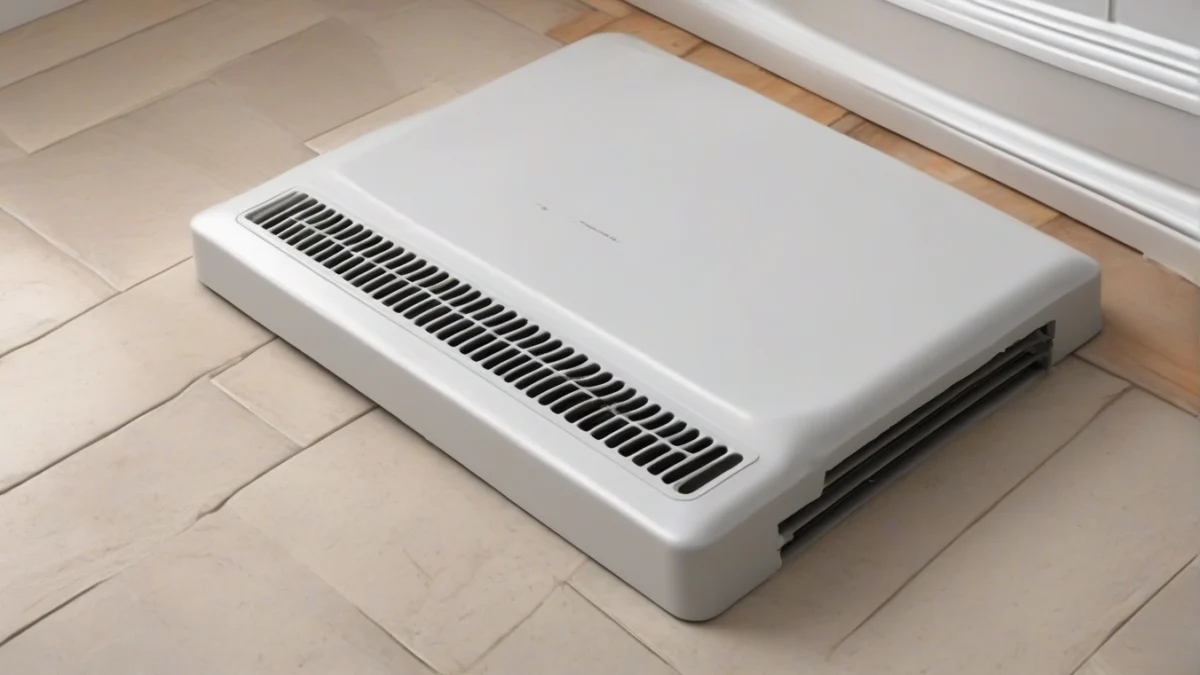
Dust and pet hair accumulate inside vents and on internal components, reducing air circulation and causing heat to build up. Regular cleaning keeps these blockages from forming.
Inspect wiring annually for looseness or damage. Faulty wiring increases electrical resistance, generating excess heat that can cause the overheat protection to activate.
Fans should be cleaned and lubricated at least once a year. Dusty or stiff fans fail to move enough air, leading to internal overheating and E3 errors.
Recurring E3 errors despite cleaning often point to hidden wiring issues or fan malfunctions. If the error persists after maintenance, a technician should check for these problems.
Following this maintenance schedule minimizes airflow restrictions and electrical faults, cutting the risk of sudden shutdowns on cold nights.
When to Call a Technician and What Repairs to Expect
If troubleshooting steps don’t clear the E3 error, it’s time to call a technician. Common repairs include replacing faulty sensors, fixing or swapping out fans, and repairing wiring issues. Professionals can also verify the heater’s installation meets ventilation requirements. Attempting complex repairs yourself risks further damage or voiding warranties.
Typical professional repairs involve replacing the cooling fan if it fails to run, swapping out temperature sensors that falsely trigger the overheat protection, fixing damaged internal wiring that causes excess heat, or addressing issues on the electronic control board responsible for error detection.
If the installation clearance is too tight, restricting airflow around the heater, a technician can reposition or advise on modifying the setup safely to meet ventilation requirements. This is not a user fix because improper spacing can void warranties and compromise fire safety.
Document the symptoms you observe—when the code appears, any unusual noises or smells, and what maintenance you have already done. This information helps the technician diagnose the problem more efficiently.
Calling a professional is the right move if your resets and cleaning haven’t stopped the E3 error. The repairs they perform restore safe operation and prevent costly damage or hazards down the line.
If you suspect installation issues, don’t try to fix clearance or venting yourself. A pro will ensure the heater meets local codes and manufacturer spacing requirements to keep airflow unobstructed and prevent repeated overheating.
A good technician checks the fan motor amperage, tests sensor accuracy, examines wiring resistance, and runs diagnostics on the control board. These steps pinpoint what component triggered the E3 error and guide the correct repair.
Ignoring the E3 error or running the heater without fixing the underlying cause risks permanent damage. Overheat protection is a critical safety feature that prevents fires and costly repairs, not a nuisance to bypass.
If your electric fireplace repeatedly shows E3 despite cleaning and resetting, professional inspection is the only way to ensure all components and installation details are operating as intended.
For more on proper spacing and ventilation around electric fireplaces, see our guide to electric fireplace clearance.
Questions People Ask
What exactly does the E3 error code mean on my electric fireplace?
Is it safe to keep using the heater if the E3 code appears?
How can I test if the fan inside my electric heater is working properly?
How often should I clean my electric fireplace vents to avoid E3 errors?

I am a mechanical engineer and love doing research on different home and outdoor heating options. When I am not working, I love spending time with my family and friends. I also enjoy blogging about my findings and helping others to find the best heating options for their needs.
Related guides
Smart Heaters That Learn Your Comfort Zone
Stay cozy while cutting costs. This smart portable heater auto-adjusts warmth to save energy—perfect for large rooms.
Cadet SoftHeat Hydronic Baseboard Heater: Silent & Efficient Heating
The Cadet Softheat Hydronic Electric Baseboard Heater offers efficient, quiet heating with a sleek design, making it ideal…
Transform Your Space with These 5 Electric Wall Fireplaces
Transform your space with the best 50 electric in-wall recessed fireplace heaters, offering warmth and elegance in one…
