7 Best Home Heating Systems for Year-Round Comfort
Joye
Updated October 14, 2026 6 min read
The best type of heat for a home typically combines energy efficiency and comfort, with options like gas furnaces, heat pumps, and radiant floor heating being popular choices.
Heat pumps (efficient, versatile) or radiant floor heating (comfort, even heat).
Struggling with uneven heating, high energy bills, or dry air? Choosing the wrong heating system can leave you shivering or sweating—and cost you hundreds extra each year. The right home heat can slash costs, boost comfort, and even improve air quality. In this guide, we’ll cover the top 7 systems, including heat pumps vs. boilers, plus expert tips to pick the best one for your home.
Key Takeaways
Heat pumps are the most energy-efficient option for moderate climates.
Radiant floor heating provides silent, even warmth but has higher upfront costs.
Furnaces work best in extreme cold but require ductwork.
Pair systems like electric heaters with smart thermostats for maximum savings.
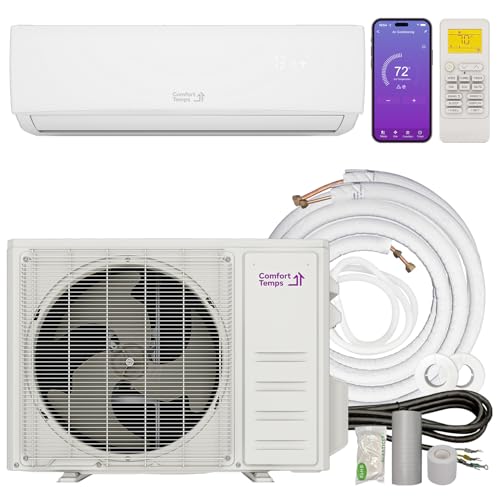
Best for Rooms up to 550 sq ft needing efficient year-round heating and cooling
The 20.5 SEER2 rating keeps operating costs low, and the inverter tech delivers heat even in subzero temperatures—a real advantage when a furnace isn’t an option. WiFi control with geolocation means the room is warm before you walk in, and the 7-speed fan lets you dial in airflow without the noise. The complete install kit and pre-charged R454B refrigerant simplify the setup for a licensed installer.
Heat output 12,000 BTUVoltage 115V (110-120V)SEER2 rating 20.5Refrigerant R454B (low GWP)Line set length 16.4 ft
Why it made the cut
20.5 SEER2 efficiency lowers monthly electric bills
Heats effectively in subzero cold
Geolocation preheats before you arrive
Ultra-quiet indoor and outdoor operation
Good to know
110V limits it to smaller rooms
Requires professional installation for refrigerant work
Higher upfront cost than plug-in heaters
Skip it if Skip it if your room exceeds 550 sq ft or you need a system that works on a standard 15 A circuit without a dedicated line.
Best for DIYers heating and cooling up to 550 sq ft without calling an HVAC tech
The pre-charged 25-foot Quick Connect line sets let you install this without specialized tools or a refrigerant license, cutting installation costs by hundreds. It heats and cools quietly, and the smart controller works with Alexa and Google Assistant for voice control. The 5th-gen design keeps the sleek indoor unit from dominating the wall.
Heat output 12,000 BTUCoverage Up to 550 sq ftVoltage 115VLine set length 25 ft (pre-charged)Generation 5th Gen DIY
Why it made the cut
Quick Connect lines require no brazing or vacuum pump
Heats and cools up to 550 sq ft
Voice control with Alexa and Google Assistant
Low noise during operation
Good to know
No SEER rating listed in the product data
25-foot line set may be short for some layouts
DIY install still requires basic electrical work
Skip it if Skip it if you need a certified SEER rating for rebates or if your indoor and outdoor units are more than 25 feet apart.
Best for Bedrooms and offices under 400 sq ft where noise and efficiency matter
The 9,000 BTU capacity suits smaller spaces without oversizing, and the 19 SEER2 Energy Star certification keeps electric bills in check. Like its 12,000 BTU sibling, it heats in subzero cold and includes geolocation to warm the room before you arrive. The 7-speed fan and quiet outdoor unit make it a good fit for bedrooms where fan noise would be a problem.
Heat output 9,000 BTUVoltage 115V (110-120V)SEER2 rating 19Refrigerant R454B (low GWP)Certification Energy Star
Why it made the cut
Energy Star certified at 19 SEER2
Heats reliably in subzero temperatures
WiFi with geolocation and voice control
Low noise inside and out
Good to know
Only suitable for rooms under 400 sq ft
Slightly lower SEER than the 12,000 BTU model
Needs a licensed installer for refrigerant connections
Skip it if Skip it if your room is larger than 400 sq ft or you need the extra capacity for extreme cold climates.
Best for Single rooms and workshops where you need portable supplemental heat
The quartz heating elements are rated for 40,000 hours, so you won’t be replacing them after a few winters. Auto restart means it resumes heating after a power outage without manual intervention, useful in a workshop or basement. It’s silent, portable, and comes with a thermostat and remote. The limited lifetime warranty backs the build quality, though it’s still a plug-in space heater with the usual 1,500 W cap.
Wattage 1500WHeating element Quartz, 40,000 hr ratedControls Thermostat and remotePortability Portable, multi-room useWarranty Limited lifetime
Why it made the cut
40,000-hour quartz elements outlast standard coils
Auto restart after power outages
Silent operation with remote control
Limited lifetime warranty
Good to know
1,500 W draws 12.5 A, most of a 15 A circuit
Supplemental heat only, not a whole-room solution
No coverage area listed in the product data
Skip it if Skip it if you need primary heating for a large space or want a system that also cools in summer.
Heat pumps transfer heat instead of generating it, making them 300% more efficient than gas furnaces. They double as AC in summer and work in temperatures as low as -15°F with newer models. Ideal for mild to cold climates.
Cons: Higher upfront cost ($4,000–$8,000), less effective in extreme cold.
2. Radiant Floor Heating (Best for Comfort)
Hydronic (water-based) or electric systems heat floors directly, eliminating drafts and allergens. Perfect for tile floors and allergy sufferers. Installation costs $6–$20/sq. ft.
Pros: Silent, even heat, energy-efficient at low temps.
Cons: Slow to adjust, expensive retrofits.
3. Gas Furnaces (Best for Extreme Cold)
Furnaces heat air quickly via ductwork, making them ideal for sub-zero climates. Modern models achieve 98% efficiency (AFUE rating). Costs $2,500–$7,500.
4. Electric Baseboard Heaters (Best for Small Spaces)
Zonal heaters for individual rooms with no ductwork needed. Cheap to install ($50–$200 per unit) but costly to run long-term.
Pros: Easy DIY install, precise temperature control.
Cons: High electricity use, can overheat if blocked.
5. Wood/Pellet Stoves (Best Off-Grid)
Burns renewable fuel, providing cozy ambiance and backup heat during outages. Pellet stoves auto-feed fuel for convenience ($1,500–$3,500).
Pros: Low carbon footprint, works without electricity.
Cons: Manual loading, storage space needed.
6. Boilers (Best for Whole-Home Radiant Heat)
Heats water for radiators or underfloor systems. More consistent than forced air. Compare hydronic vs. electric radiant options.
Pros: Long lifespan (20+ years), no air allergens.
Cons: Slow to adjust, leaks can cause damage.
7. Infrared Heaters (Best for Spot Heating)
Directly warms objects/people via electromagnetic waves. Safe for indoor use (learn more about infrared safety). Portable units cost $100–$500.
Pros: Instant heat, energy-efficient for small areas.
Cons: Doesn’t heat air, limited range.
Comparison Table: Top Home Heating Systems
System
Avg. Cost
Best For
Efficiency
Heat Pump
$4,000–$8,000
Moderate climates
300%+
Radiant Floor
$6–$20/sq. ft
Even heat
85–95%
Gas Furnace
$2,500–$7,500
Extreme cold
90–98% AFUE
Electric Baseboard
$50–$200/unit
Small spaces
100%
Final Thoughts
For most homes, a heat pump or hybrid system (like a furnace + radiant heat) offers the best balance of cost and comfort. Prioritize energy efficiency with Energy Star-certified models and pair with a smart thermostat. Need help choosing? Consult an HVAC professional for a home assessment.
Share
Written byJoye
HeaterGuides covers home heating, water heating and HVAC: how the equipment works, what it costs to run, and how to use it safely.
Top Pick
Deepsoon Electric Heating Pad,6 Heat Settings for…