



Say your living room is 15 by 20 feet with 9-foot ceilings and average insulation. You need roughly 8,000 BTUs to keep it warm. An electric fireplace rated at 5,000 BTUs won’t cut it, but a 20,000-BTU gas fireplace will handle it comfortably. Choosing the right fireplace depends on your space, fuel preference, and maintenance tolerance.
This guide helps you pick a fireplace that truly heats, explains how to size it, and breaks down efficiency, running costs, and installation to save you money and winter chills.
Fireplace Heat Output and Coverage Comparison
| Model | Best for | Heat Output (BTUs) | Efficiency (%) | Room Size Coverage | Safety Features | Price |
|---|---|---|---|---|---|---|
| DR. INFRARED HEATER Portable Electric Fireplace | Best Infrared Heat | — | — | Heating capacity: Designed to warm medium-sized rooms | ETL listed, tip-over and overheat protection | See current price |
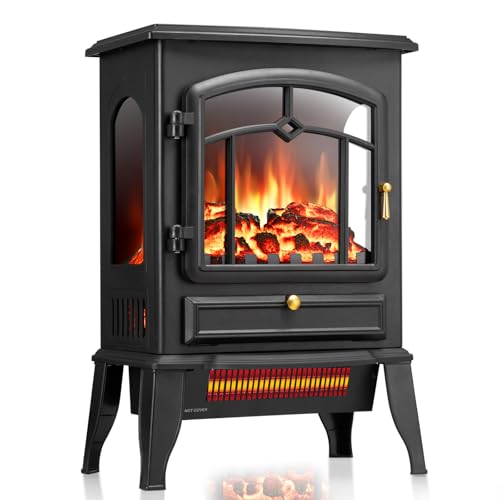
| ZAFRO Electric Fireplace Stove 3D Flame Effect | Fast Heat Up | 5100 | — | Small rooms | Overheat protection, stable base | See current price |
| Country Living 27″ Electric Fireplace Logs Infrared | Best Realistic Flames | — | — | Up to 400 sq.ft. | Remote control, infrared heating | See current price |
| Country Living 20″ Electric Fireplace Logs Infrared | Best Compact Insert | — | — | Up to 400 sq.ft. | Remote control, infrared heating | See current price |
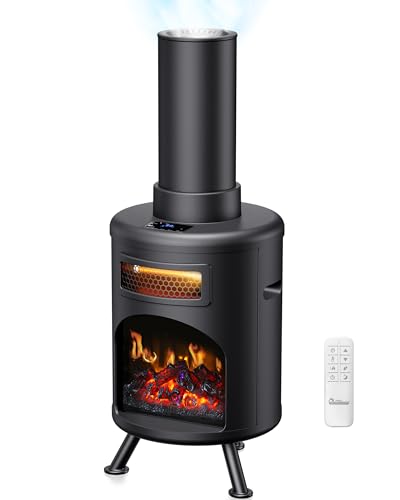
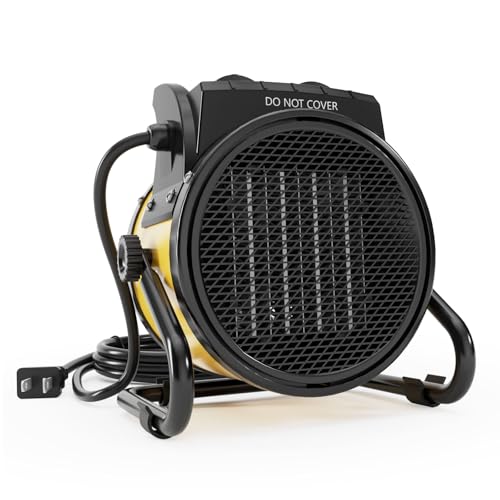
| Joanolga 1500W Electric Outdoor Patio Heater | Best Outdoor Use | — | — | Up to 160 sq.ft. | Overheat protection | See current price |
Top Fireplace Picks for Maximum Heat Output and Efficiency
DR. INFRARED HEATER Portable Electric Fireplace
ZAFRO Electric Fireplace Stove 3D Flame Effect
Country Living 27″ Electric Fireplace Logs Infrared
Country Living 20″ Electric Fireplace Logs Infrared
Joanolga 1500W Electric Outdoor Patio Heater
Fireplace Types and Their Heat Output
Wood-burning fireplaces and inserts provide the highest raw heat output, typically between 20,000 and 80,000 BTU per hour. Gas fireplaces deliver between 15,000 and 40,000 BTU, depending on whether they use natural gas or propane. Electric fireplaces convert 100% of their electrical power to heat but max out around 5,000 BTU, making them better suited for supplemental heating rather than whole-house warmth.
You get more heat from a propane fireplace than a natural gas unit of the same size because propane has a higher energy content: about 91,500 BTU per gallon versus natural gas’s roughly 1,000 BTU per cubic foot. Propane fireplaces can heat a well-sized zone or even a small house if properly sized, but they’re less efficient than sealed combustion direct vent gas fireplaces, which minimize heat loss by drawing air from outside and venting exhaust directly outdoors.
Traditional open wood fireplaces lose 80 to 90% of their heat up the chimney, largely due to unsealed combustion and warm air rising through the flue. Adding glass doors and using EPA-certified wood-burning inserts with catalytic or non-catalytic combustion boosts efficiency up to 83%. Catalytic fireplaces burn smoke at lower temperatures but require periodic cartridge replacement, adding maintenance and cost. Non-catalytic units are simpler but rely on higher burn temperatures and baffles.
| Fireplace Type | BTU Output Range | Typical Efficiency |
|---|---|---|
| Open Wood Fireplace | 20,000–80,000 | 10–30% |
| Wood Burning Insert | 20,000–60,000 | 60–83% |
| Direct Vent Gas Fireplace | 15,000–40,000 | 70–85% |
| Electric Fireplace | up to 5,000 | 100% |
Radiant heat warms objects and people directly, creating a cozy feeling even if the air temperature is lower. Wood fireplaces excel at radiant heat, especially Rumford-style designs. Gas and electric fireplaces rely more on convection, warming the air circulated by fans or natural convection, which spreads heat more evenly but feels less immediate.
How to Size Your Fireplace for Your Room
Sizing your fireplace correctly is key to efficient heating and fuel savings. Start by calculating the BTU needed to maintain a comfortable temperature in your room. A general rule is 20 BTU per square foot for an 8-foot ceiling in a typical home. Adjust this for ceiling height and draftiness: add 10% for every additional foot of ceiling height and 15–20% if the room is drafty or poorly insulated.
Heating a cold room from scratch requires more BTU than maintaining an existing temperature. For initial warm-up, an additional 25–30% BTU is advisable, especially in poorly insulated spaces. Conversely, oversizing a fireplace wastes fuel and can cause short cycling, while undersizing leaves you cold and frustrated.
The best fireplace for heat should match your room’s BTU needs and heating goals. Wood-burning inserts suit whole-house warmth, direct vent gas fireplaces excel at zone heating, and electric fireplaces work well for supplemental warmth in smaller rooms. Proper sizing ensures comfort and efficiency.
Running Costs and Maintenance to Expect
Electric fireplaces operate without fuel and can run with or without heat, making them flexible for ambiance and warmth. They have no fuel storage or chimney cleaning costs, which keeps ongoing expenses low.
Wood fireplaces and stoves need fuel, usually seasoned firewood, with annual costs varying by use and local rates. Catalytic wood stoves require occasional catalyst cartridge replacement, which adds maintenance tasks every few years. Non-catalytic stoves skip this but often demand more frequent chimney cleaning because they emit more particulates.
Gas fireplaces, whether natural gas or propane, have fuel costs that depend on local rates but usually run about $100 to $300 per year for moderate use. They require annual inspections and vent cleaning to ensure safe, efficient operation. Ventless gas units that don’t exhaust outside can cause indoor air quality issues if used as a primary heat source, so they should be limited to occasional or supplemental heating.
| Fireplace Type | Fuel Cost | Maintenance Notes |
|---|---|---|
| Electric Fireplace | Minimal; electricity only | No chimney or vent cleaning, no fuel storage |
| Wood Stove (Catalytic) | Varies widely depending on model and features | Catalyst cartridge replacement and chimney cleaning |
| Wood Stove (Non-Catalytic) | Varies widely depending on model and features | More frequent chimney cleaning, no cartridge |
| Gas Fireplace | Varies widely depending on model and features | Annual inspection and vent cleaning required |
How Fireplace Design Affects Heat Distribution
Glass doors on fireplaces improve efficiency by reducing warm room air drawn up the chimney while still letting radiant heat pass through. This keeps more heat inside and enhances safety by containing sparks and embers.
Firebacks reflect some radiant heat back into the room and protect the fireplace’s back wall, but their net effect on heat output is limited because they absorb and radiate heat back into the firebox, causing some heat loss up the chimney.
Radiant heat warms objects and people directly, making it feel immediate and cozy. Convection heat circulates warm air through the room, which heats the space more evenly but usually less intensely at any one spot. Fireplace designs that maximize radiant heat suit smaller or open rooms, while convective systems work better for whole-room heating.
Blower fans and ducting systems help distribute warm air from the fireplace to adjacent rooms. Fans push air across heated surfaces and through ducts, extending the warmth beyond the fire’s immediate space.
Sealed combustion and direct vent fireplaces draw air from outside for combustion and vent exhaust directly outdoors. This setup improves heat retention in the room since indoor air isn’t used or lost to the flue, increasing overall efficiency.
Installation and Safety Considerations for Maximum Heat
Propane fireplaces can heat your house efficiently, but only if properly installed with adequate venting and room size matching. They provide good zone heating but won’t replace a whole-house system unless sized and placed carefully.
Professional installation is critical for wood and gas fireplaces to ensure correct venting, combustion air supply, and clearance from combustibles. Incorrect installation wastes heat and risks carbon monoxide (CO) buildup.
A chimney damper is essential to prevent warm air from escaping your home when the fireplace isn’t in use. Leaving it open lets 80-90% of heated air go up the chimney, wasting energy and money.
Clearance requirements keep combustible materials like wood trim, furniture, and drapes safely away from radiant heat. Check the manual; typical minimum clearances range from 12 to 36 inches depending on the model and fuel type.
EPA certification for wood-burning inserts limits particulate emissions to 2 to 4.5 grams per hour, ensuring cleaner combustion and higher efficiency. ETL certification on electric fireplaces confirms safety standards and electrical compliance.
Proper installation also includes sealing the fireplace opening with glass doors or a fireback to reflect heat into the room and reduce warm air loss. Direct vent gas fireplaces pull combustion air from outside, improving indoor air quality and efficiency.
A propane fireplace can heat your house well if sized right and installed with sealed combustion venting. However, it’s best suited as a zone heater rather than whole-house heat. For whole-house heat, wood stoves or inserts offer higher output and sustained warmth.
A certified professional familiar with local codes and manufacturer instructions should handle installation. Improper venting can cause smoke backdrafts, heat loss, or dangerous CO leaks. Never compromise on this step for maximum heat and safety.
Safe installation and effective use of dampers, clearance compliance, and certified units are the foundation for achieving maximum heat retention and safe operation from your fireplace.
Questions People Ask
Can an electric fireplace operate without heat and just show flames?
Do propane fireplaces produce more heat than natural gas fireplaces?
Can a propane fireplace heat my entire house effectively?
Are propane fireplaces efficient to use for heating?
How often do catalytic fireplaces require maintenance or cartridge replacement?
What installation practices maximize heat retention and safety for wood fireplaces?

HeaterGuides covers home heating, water heating and HVAC: how the equipment works, what it costs to run, and how to use it safely.
