Warmth Without the Bulk: Best Thin Heated Gloves for Winter
On this page 8 sections
- How These Thin Heated Gloves Stack Up
- Best Thin Heated Gloves for Warmth Without Bulk
- How Thin Heated Gloves Deliver Warmth Without Bulk
- Choosing Gloves by Battery Life and Heat Settings
- Fit and Layering: How to Avoid Bulk and Keep Warm
- Fabric and Care: What Materials Keep Warmth Without Weight
- Mistakes That Reduce Warmth and Increase Bulk
- Frequently Asked Questions
How These Thin Heated Gloves Stack Up
| Rank | Model | Best for | Heat Coverage | Battery Life | Fit & Flexibility | Price |
|---|---|---|---|---|---|---|
| 1 | CUEHEAT CH02 Heated Glove Liners Dark GrayBalanced Coverage | Versatile indoor and outdoor use with layering | Full fingers and back of hand | — | Lightweight four-way stretch | See current price |
| 2 | MIEVNIO Heated Glove Liners RechargeableFast Heat-Up | Quick warming during cycling, hiking, or skiing | Fingers and back of hand | Up to 8 hours | Thin liner with Lycra and neoprene | See current price |
| 3 | SAVIOR HEAT Rechargeable Heated Glove LinersLongest Runtime | Extended outdoor wear with outer gloves for best warmth | Whole back of hand and fingers | Up to 9 hours | Soft Lycra and fleece liner | See current price |
| 4 | Sun Will Thin Electric Heated Glove LinersQuick Heat & Control | Active outdoor use needing fast warmth and battery info | Back of hand and fingertips | 6–8 hours | Premium Lycra and fleece, ultra-flexible | See current price |
| 5 | SURGOAL Wearable Heated Blanket with Foot PocketsNot Gloves | Indoor lounging warmth, not hand heating | — | — | Wearable blanket, not gloves | See current price |
Cold hands can ruin outdoor plans and daily routines alike. Thin heated gloves offer a practical solution by delivering targeted warmth without the bulk that restricts movement or adds weight.
Choosing the right pair means balancing heat output, battery life, and fit so you stay warm without sacrificing dexterity or comfort.
Best Thin Heated Gloves for Warmth Without Bulk

CUEHEAT CH02 Heated Glove Liners Dark Gray
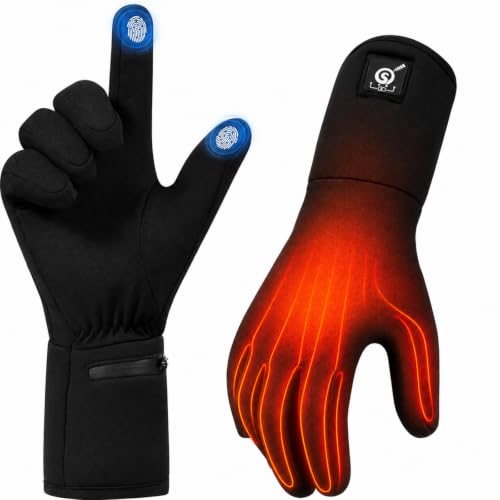
MIEVNIO Heated Glove Liners Rechargeable

SAVIOR HEAT Rechargeable Heated Glove Liners

Sun Will Thin Electric Heated Glove Liners

SURGOAL Wearable Heated Blanket with Foot Pockets
How Thin Heated Gloves Deliver Warmth Without Bulk

Thin heated gloves keep your hands warm by combining slim insulation with electric heating elements that add extra heat without bulk. They work best when layered under waterproof or windproof outer gloves, providing steady warmth without restricting movement.
The fabrics matter as much as the heating. Most thin heated gloves pair a windproof outer shell with a moisture-wicking liner—often merino wool, silk blends, or synthetic thermal fabric. The shell blocks cold air from stealing heat, while the liner pulls sweat away from your skin so dampness doesn’t chill you. That combination lets the glove stay thin while the heating element does the heavy lifting.
Form-fitting fabrics and minimal padding keep your hands nimble. You can work a zipper, use a touchscreen, or grip a tool without fighting thick insulation. The snug fit also matters for heat transfer: when fabric sits close to your skin, the heating element warms you directly instead of heating dead air inside an oversized glove.
Battery capacity and heat settings determine how long your gloves stay warm. A typical pair runs two to six hours depending on the setting, with high heat draining the battery fastest. Most gloves offer three levels so you can dial in just enough warmth without overheating or running out of power before you’re done outside.
Choosing Gloves by Battery Life and Heat Settings
Battery life and heat settings determine how long your gloves stay warm and how much control you have over temperature. Look for gloves with at least 4 to 6 hours of heat on medium power and multiple heat levels to adjust for activity and weather.
Typical battery run times range from 2 to 8 hours depending on the heat setting. High heat drains a 3,000 mAh battery in about 2 to 3 hours; medium heat extends that to 4 to 5 hours, and low heat can last up to 8 hours. This variation lets you customize comfort while managing how often you need to recharge.
Warmth without electricity comes from insulating fabrics trapping your body heat and preventing heat loss by conduction and convection. Heated gloves add electric warmth on top of that base insulation. The heat sensor inside the glove uses thermistors or resistance temperature detectors (RTDs) placed near the heating elements to monitor temperature. This feedback maintains a steady warmth level by adjusting power output automatically or via your manual settings.
Charging convenience is another key factor. Most gloves use USB or proprietary chargers that fill a battery in 2 to 4 hours. Having a spare battery on hand lets you swap cells quickly outdoors without waiting. If you expect long exposure to cold, look for gloves that support hot-swappable batteries or fast charging to avoid losing heat when you need it most.
Choosing the right balance between battery size, heat output, and charging options depends on how long you’ll be outside and how active you plan to be. A casual walker might prefer lighter gloves with longer low-heat runtime, while someone working or playing outdoors for hours will benefit from larger batteries and multiple heat levels.
Fit and Layering: How to Avoid Bulk and Keep Warm
A snug fit helps maintain warmth without compressing the insulation, which would reduce its effectiveness. Thin heated gloves layer easily under shells or mitts, letting you add windproof or waterproof protection without extra bulk.
Thin heated gloves layer well under waterproof shells or windproof mitts when conditions turn wet or windy. The heated liner keeps your core warmth steady while the shell blocks wind and moisture. This combination works better than one bulky glove because you can peel the shell when you step indoors or climb into the car, leaving just the liner to manage the temperature change without overheating.
Avoid stacking thick insulation over heated gloves. Extra bulk compresses the insulation, reduces loft and traps sweat, which cools your hands the moment you stop moving. One breathable base layer under a heated glove, or a single wind shell over it, does the job without the clammy buildup that thick mitts cause.
If home warmth runs low overnight or your workspace has no heat, heated glove liners let you work at a desk or read without thick mitts. Set them to low, around 100°F, so your fingers stay nimble and the battery lasts four to six hours instead of burning through a charge in two.
Fabric and Care: What Materials Keep Warmth Without Weight
Materials like merino wool or synthetic fleece manage moisture and retain heat efficiently without adding weight. Durable outer fabrics with a DWR finish resist water and wind, keeping insulation dry and effective.
Moisture-wicking fabrics prevent chill by pulling sweat away from skin, crucial for heated gloves where overheating indoors can lead to dampness that cools you down outdoors. Materials like merino wool, silk, and synthetic blends excel here by keeping hands dry and warm.
Hollow fibers such as angora trap heat exceptionally well without adding weight. Their structure holds warm air close to skin, enhancing insulation in thin gloves. Angora blends often outperform traditional wool at half the bulk, making them a smart choice for slim heated liners.
Warmth discourages bacterial growth by reducing sweat accumulation and dampness inside gloves, which otherwise create breeding grounds for odors and skin irritation. Choosing breathable, wicking fabrics limits this risk.
Dark colors absorb more sunlight and can boost warmth slightly when outdoors, but this effect is minor compared to insulation quality. Still, a black or dark glove liner might add a few extra degrees in bright winter sun.
Mistakes That Reduce Warmth and Increase Bulk
Common mistakes include wearing gloves that are too tight, which compresses insulation and cuts heat retention, or skipping windproof layers that prevent heat loss. Avoid cotton liners, which hold moisture and chill your hands.
Cotton base layers under heated gloves are a trap. Cotton soaks up sweat and holds moisture against your skin, cooling you as it evaporates. Use moisture-wicking fabrics like merino wool or silk that stay dry and preserve heat. For more on base layer choices that balance warmth and weight, our heated base layer guide explains how to build a microclimate without bulk.
Overheating indoors causes outdoor chills. Wearing heated gloves or heavy layers inside makes you sweat; when you step outside, damp skin cools rapidly. Keep your layering light indoors and turn heated gloves on only when you’re exposed to cold air.
Don’t expect thicker gloves to be warmer. Bulk can restrict blood flow, cutting circulation and making your hands colder despite the extra insulation. Moisture trapped inside thicker gloves also undermines warmth by cooling your skin. Thin heated gloves with adjustable heat settings give you more control and better circulation than one thick layer.
Heating element placement matters more than most guides mention. Elements positioned near fingertips target the coldest parts of your hands quickly, which is more efficient than heating the whole glove. This lets gloves stay slim while warming fast, delivering warmth without bulk.