Best Hardwood Pellets for Heating: About 9,000 BTU per Pound
On this page 8 sections
- Hardwood Pellet Comparison
- Best Hardwood Pellets for Heating Right Now
- Key Features That Make Hardwood Pellets Ideal for Heating
- How to Size and Estimate Running Costs for Hardwood Pellets
- How Pellet Quality Affects Stove Maintenance and Longevity
- Why Hardwood Pellets Are Often Better Than Softwood or Blends
- What Competitors Miss About Pellet Storage and Regional Availability
- Frequently Asked Questions
Many believe all hardwood pellets are the same quality, but only some deliver consistent heat and low ash that protect your stove and reduce cleaning.
Choosing the right hardwood pellet means balancing burn efficiency, ash residue, and stove compatibility for reliable winter heating.
Hardwood Pellet Comparison
| Model | Best for | Weight per bag | Pellet type | Ash content | Burn consistency | Price |
|---|---|---|---|---|---|---|
| Vivo Technologies Premium Natural Wood Pellets | Ultra Clean Burn | 10kg | Natural wood pellets | Very low | High | Why it is here |
| Casafoyer Hardwood Heating Pellets | Consistent Heat | 40lb | Hardwood | Low | Consistent | Why it is here |
| United States Stove Co Hardwood Heating Pellets | Reliable Heat | — | Hardwood | — | — | Why it is here |
| Camp Chef Competition Blend Hardwood BBQ Pellets | Versatile Use | 20 lb. | Hardwood blend | Low | Hot burning | Why it is here |
| TIKI Wood Pellet Pack for Outdoor Fire Pits | Outdoor Fuel | — | Sawdust pellets | Minimal | Short, consistent | Why it is here |
Best Hardwood Pellets for Heating Right Now

Vivo Technologies Premium Natural Wood Pellets

Casafoyer Hardwood Heating Pellets
United States Stove Co Hardwood Heating Pellets
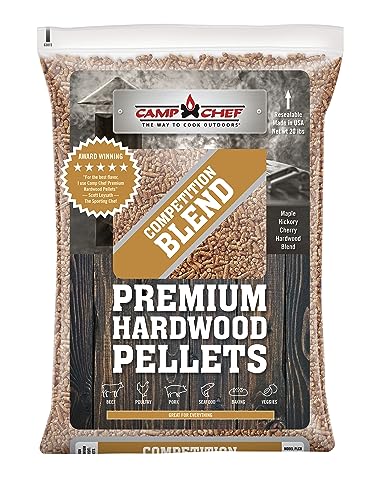
Camp Chef Competition Blend Hardwood BBQ Pellets

TIKI Wood Pellet Pack for Outdoor Fire Pits
Key Features That Make Hardwood Pellets Ideal for Heating

The best hardwood pellets for heating combine high heat output with low ash residue and consistent size to keep your pellet stove running efficiently and your home warm. Hardwood species like oak, maple, and hickory produce denser pellets that burn hotter and longer than softwoods. That means more BTUs per pound and less frequent refilling.
Hardwood pellets deliver a dense, hot burn with low ash residue, which means your stove stays cleaner longer and maintenance is less frequent. Hardwood species like oak and maple produce more heat per pellet than softwoods, giving you better efficiency for your home heating.
Some hardwood pellets come with coatings or additives to reduce dust and improve burn quality, but these can sometimes leave residues that harm stove parts or increase emissions. Premium hardwood pellets avoid unnecessary fillers, focusing on pure wood content for cleaner, safer operation.
Low ash content is the hallmark of a quality hardwood pellet. Ash buildup clogs the burn pot and air pathways, forcing more frequent cleaning and risking stove damage. Look for pellets labeled with under 1% ash to minimize maintenance and keep your stove running smoothly.
Premium wood pellets for heating typically come from controlled manufacturing processes that ensure consistent size, moisture, and composition. Brands like Energex and Hamer’s Hot Ones emphasize these qualities, resulting in fewer clinkers and better overall performance. Hardwood pellets labeled specifically for heating—not smoking—are your best bet.
How to Size and Estimate Running Costs for Hardwood Pellets
Sizing your hardwood pellets starts with understanding your stove’s burn rate, usually 1.5 to 3 pounds per hour for residential models. Each pound delivers roughly 8,000 BTUs, so a stove burning 2 pounds per hour outputs about 16,000 BTUs.
To compare fuel pellets vs wood, note that pellets are more energy-dense and burn more consistently, making them easier to store and feed automatically. For rural off-grid homes without natural gas or propane, wood pellets offer a cleaner, less labor-intensive alternative with predictable costs.
Pellet costs in 2024 average around $300 per ton, or about 15 cents per pound. Electric heating is roughly 10 cents per kWh, with a 1,500 W heater using 1.5 kWh per hour. Propane runs about $3.50 per gallon, and a gallon holds 91,500 BTUs.
For 8 hours, the stove burns 16 pounds of pellets (2 lbs × 8 hours). At 15 cents per pound, that’s $2.40 a night. Compare that to electric heat drawing 1,500 watts for 8 hours: 1.5 kW × 8 hours = 12 kWh, costing about $1.20 at 10 cents per kWh. Propane for the same BTUs would cost roughly $0.61, but propane tanks and delivery add complexity.
Knowing your stove’s burn rate and pellet cost helps plan your fuel needs and budget before winter. Hardwood pellets are a reliable choice if you want clean, efficient heat with manageable running costs, especially where propane or natural gas isn’t available.
For more on picking the right pellets for your heating needs, see our guide to the Best Pellets for Heating: Warmth You Can Count On!.
How Pellet Quality Affects Stove Maintenance and Longevity
Pellet quality directly impacts how often you need to clean your stove and how long it lasts. Uniform pellet size ensures steady feeding and burning, reducing hopper jams. Low ash pellets cut down on clinkers and buildup, preserving the burn pot and airflow passages for smoother operation.
Pellets with inconsistent size or shape cause uneven feeding and wear on the auger and burn pot, speeding up parts replacement.
Cleaner pellets with low ash and uniform density leave less residue in the burn pot and stove interior, reducing soot buildup and cleaning frequency.
Switching pellet brands means you should clean the burn pot and inspect the hopper more often during the first few days to catch unexpected clinkers or jams.
Pellet coatings, like sap layers, generally don’t harm the stove or increase emissions significantly but can vary by brand and batch quality.
A typical stove cleaning routine for regular pellet use includes emptying ash pans weekly and cleaning the burn pot and heat exchanger monthly, but pellets with more impurities need more frequent attention.
Low-quality pellets from inconsistent sources can increase maintenance costs by causing clinkers—hard lumps from ash and unburned material—that block air flow.
Choosing hardwood pellets with low bark and sawdust content, like the Hamer’s Hot Ones or Energex brands, helps keep your stove running smoothly longer and cuts down on cleaning time.
Why Hardwood Pellets Are Often Better Than Softwood or Blends
Hardwood pellets typically outperform softwood or blended pellets by burning hotter and producing less ash. This means more heat per bag and less frequent cleaning. While blends can offer a cost advantage, pure hardwood pellets provide more consistent combustion and fewer stove issues in the long run.
Softwood pellets tend to burn faster because of their volatile resins, which produce more flames but less steady heat and sometimes more ash.
Blended pellets vary widely in quality depending on the wood mix and manufacturing process, so ash content and burn consistency can be unpredictable.
Pellet aroma and flavor differences matter mainly for smoking meats, not heating, so picking pellets for scent isn’t worth the trade-off if you want efficient warmth.
Blended pellets aren’t inherently better than pure hardwood or softwood; your best choice depends on your stove’s specifications and your heating priorities.
For steady, long-lasting heat with less ash, hardwood pellets like Hardwood Heating Pellets or Casafoyer Hardwood Heating Pellets are generally the best option.
Softwood or blends might suit users looking for quick heat bursts or a lower price but expect more frequent cleaning and shorter burn times.
What Competitors Miss About Pellet Storage and Regional Availability
Pellet storage is often overlooked but crucial. Hardwood pellets tend to resist moisture better, maintaining integrity and burn quality over time. Regional availability varies widely; some brands are easier to find fresh in certain areas, which affects pellet durability and stove performance. Buying local hardwood pellets can save you from surprises like higher ash or pellet breakage.
Keeping pellets dry is critical. Even the best hardwood pellets absorb moisture if stored in damp conditions or poor-quality bags, leading to crumbling, clinkers, and hopper jams. Look for tightly sealed 40-pound bags with thick plastic liners or consider bulk storage options with moisture barriers.
Buying locally sourced pellets often means fresher stock, reducing moisture problems and minimizing transit damage. Regional brands such as Hardwood Heating Pellets in the Northeast and Casafoyer in the Midwest maintain quality by controlling production and distribution within nearby markets, often at lower prices than national brands.
Cheap bulk pellets without certification can contain high sawdust or bark, leading to inconsistent pellet size and increased ash and clinker formation. Over time, these lower-quality pellets risk damaging the burn pot and auger mechanism, increasing maintenance costs and stove wear.
Regional availability varies. For example, 10kg Premium Heating Fuel Biomass Stove Natural Wood Pellet offers reliable supply in the Pacific Northwest but may be harder to find elsewhere. Checking local suppliers ensures you get pellets suited to your stove model with proven performance.