

Many believe that all electric heaters spike your electricity bill, but the truth is only half that story: some heaters waste energy, while others use smart features and proper sizing to keep costs down.
Choosing the right heater means looking beyond wattage to features like thermostats, safety, and room size coverage — not just the sticker price.
Comparison of Low-Cost Heaters
| Model | Best for | Heat Output | Thermostat Control | Room Size Coverage | Safety Features | Price |
|---|---|---|---|---|---|---|
| GiveBest 1500W Portable Space Heater Fan | Best Overall | 1500W / 750W | Automatic cycling thermostat | Up to 200 sq ft | Tip-over, overheat, flame-retardant | Check today’s price |
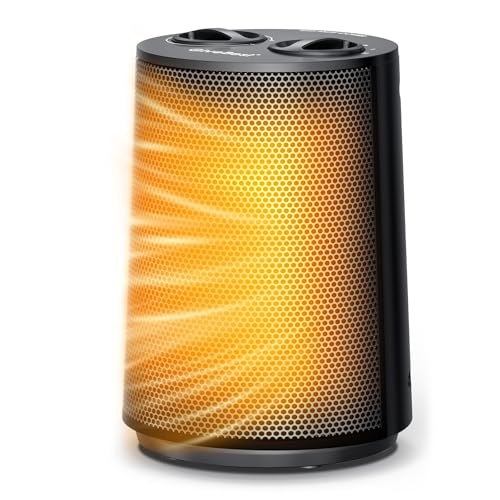
| GiveBest 1500W Mini Ceramic Heater | Compact & Quiet | 1500W / 900W | Manual mode selection | Up to 200 sq ft | Overheat and tip-over, UL certified | Check today’s price |
| DREO 1500W Portable Heater with Thermostat | Energy Saving | 1500W | Digital 41-95 ℉ | — | Tip-over, overheat, flame-retardant | Check today’s price |
| ASNUG 500W Mini Ceramic Heater | Budget-Friendly | 500W | None | — | Tip-over, overheat, flame-retardant | Check today’s price |
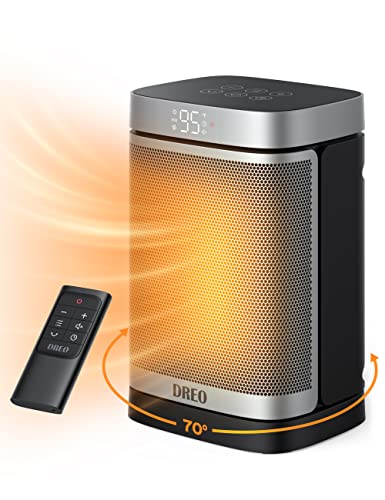
| DREO 1500W Heater with Remote & Thermostat | Smart Control | 1500W | Digital 41-95 ℉ | — | Tip-over, overheat, flame-retardant | Check today’s price |
Best Low-Cost Heaters That Won’t Spike Your Electricity Bill
GiveBest 1500W Portable Space Heater Fan
GiveBest 1500W Mini Ceramic Heater
DREO 1500W Portable Heater with Thermostat
ASNUG 500W Mini Ceramic Heater
DREO 1500W Heater with Remote & Thermostat
Heaters That Don’t Use Electricity and How They Work
Heaters that don’t use electricity include gas, kerosene, propane, and wood-burning models, and they work by burning fuel to produce heat directly. These heaters don’t rely on electricity for heating, though some use small amounts for fans or controls.
Indoor use of these no-electricity heaters requires strict ventilation to prevent carbon monoxide buildup. For example, propane and kerosene heaters must be indoor-rated and have oxygen depletion sensors to shut off if oxygen runs low. Wood and pellet stoves need properly installed chimneys or vents to exhaust smoke outside.
A common misconception is that no-electric heaters run completely without electricity indoors. Many gas or kerosene heaters use small electric fans or ignition systems, so they have some electrical needs. Truly electricity-free heaters are often wood stoves or simple vent-free gas units without fans, but these come with safety and code restrictions.
Electric heaters convert nearly 100% of the electricity they use into heat, but they still need power to run fans, thermostats, or controls. So, even the most basic electric heater isn’t free from electricity use. If you want a heater that runs without electricity at all, a wood stove or a vented propane heater without electric ignition is your option, but ventilation and safety are critical.
Cheapest Electric Heaters to Run
Electric heaters convert nearly all the electricity they use into heat, so their efficiency is close to 100%. However, running costs vary by power level and usage time. A typical plug-in heater runs at up to 1,500 watts, which draws about 12.5 amps on a standard 120 V circuit. Running such a heater for 8 hours uses 12 kWh; at 17 cents per kWh, that adds up to about $2.04 for one night of heating.
A typical portable space heater runs at 1,500 watts, meaning it consumes about 1.5 kWh for each hour it’s on at full power. At a common electricity rate of 17 cents per kWh, that’s about 25 cents an hour. The running cost depends heavily on how long you use the heater and how well your room holds heat—not just the wattage rating.
Smart thermostats and ECO modes reduce electricity waste by adjusting the heater’s output to maintain set temperatures instead of running full blast continuously. For example, a heater with ECO mode might cycle on and off to keep a room at 68°F, cutting electricity use by 20% or more compared to constant full power.
Which heater consumes less electricity depends on efficiency and control features. A well-insulated room heated by a PTC ceramic heater with smart thermostat scheduling will cost less to run than a large, poorly insulated space heated by a basic fan heater running nonstop.
For safe use, choose heaters with overheat and tip-over protection, and plug them directly into a wall outlet. The most economical heaters pair efficient elements with controls that adjust heat to your needs, avoiding wasted electricity.
If you want to cut bills further, use zone heating—heat only the rooms you occupy and lower your central thermostat. Portable heaters like the GiveBest Space Heater work well here, offering efficient heat exactly where you need it.
How to Choose the Right Heater Size for Your Room
A good rule of thumb is that electric heaters need about 10 watts of power per square foot to maintain comfortable warmth. For example, a 150-square-foot room requires about 1,500 watts, the maximum output allowed for portable space heaters by government standards. Oversizing a heater wastes electricity without extra benefit, while undersizing leaves the room cold.
For smaller spaces under 150 to 200 square feet, compact portable heaters like the GiveBest 1500W Portable Space Heater deliver enough warmth without wasting energy on oversized capacity.
Larger rooms pose more of a challenge. One 1,500-watt unit won’t cut it comfortably in rooms 300 square feet or bigger. You’ll either need multiple heaters placed strategically or a higher-output model designed for bigger spaces.
Oversizing a heater often backfires. If the unit is too powerful for the room, it cycles on and off rapidly. That wastes energy, stresses electrical components, and leaves temperature swings that feel less comfortable.
Heaters that don’t use electricity, such as kerosene or propane models, can heat rooms of various sizes but need careful ventilation and safety measures indoors. Wood stoves and pellet stoves also warm large spaces well but require proper installation.
Among electric options, oil-filled radiators excel at sustained heat in small to medium rooms, but they’re slower to warm up and usually lack smart features. For instant heat in small areas, ceramic fan heaters are a solid choice.
Choosing the right heater size depends on your room’s square footage, insulation level, and how much continuous vs. spot heating you need. Match output to room size to avoid waste and keep your electricity bill in check.
How Smart Features Can Cut Electricity Bills on Space Heaters
Smart thermostats can reduce electricity bills by scheduling heaters to run only when needed, such as turning off when you leave home and turning back on before you return. Features like geofencing use your phone’s location to automate this. Over a month, setting a heater to run 2 hours less daily can save about 10% on running costs compared to constant use.
Scheduling features let you program your heater to warm a room only when you’re home or awake. For example, setting a heater to run 6 hours instead of 8 can cut your electricity use by up to 20%.
Geofencing uses your smartphone’s location to turn the heater off when you leave and back on as you approach home, saving energy without you lifting a finger.
Temperature sensors maintain comfort by adjusting heat output to keep your room at the set temperature without overheating. That prevents wasted power cycling the heater on and off too often.
Remote controls and timers add convenience and efficiency. You won’t have to leave a heater running all evening because you forgot to turn it off; a timer shuts it down automatically.
Among heaters, electric models consume the most electricity simply because they convert power directly to heat. Heaters that don’t use electricity, like propane or kerosene units, avoid electric bills but require fuel and ventilation.
Smart features don’t make a heater use less power per se, but they cut wasted runtime and unnecessary heating periods. This translates directly to lower bills and less wear on the unit.
For those wanting to maximize savings, pairing a smart thermostat with an energy-efficient heater like a PTC ceramic model or an oil-filled radiator creates a good balance of comfort, cost, and control.
If you’re new to smart controls, models with Wi-Fi connectivity and simple apps make it easy to program schedules, monitor usage, and adjust settings remotely.
Smart thermostats and scheduling features aren’t just about convenience—they’re proven tools to reduce heating energy use without sacrificing warmth or comfort.
Key Safety Features on Low-Cost Electric Heaters
Low-cost electric heaters often include tip-over switches that cut power if the unit falls, and overheat protection that shuts the heater down if internal temperatures get too high. Some models have basic one-touch controls, while others add adjustable thermostats and timers. Look for UL, ETL or CSA certification to ensure safety standards are met.
Look for heaters certified by UL, ETL, or CSA. These marks show the unit passed independent safety tests, reducing risks from electrical faults or poor design. Without these, safety can’t be trusted, especially on budget models.
Materials matter, too. Flame-retardant plastics and metal housings lower fire risk if the heater overheats or electrical parts fail. Cheaper heaters sometimes skimp here, so check the product details or manual.
Avoid models with two-prong plugs if your home wiring requires grounding. Grounding prevents shocks and electrical fires. Many modern heaters use three-prong plugs; using ungrounded models in grounded outlets can be dangerous.
If you want a heater that runs safely indoors without electricity, your choices narrow to fuel-burning types like propane, kerosene, or wood stoves. Those must be rated for indoor use and installed with proper ventilation and carbon monoxide alarms. Electric heaters are safer indoors when they have the right features and certifications.
Among electric heaters, models with built-in safety features plus certification offer the safest way to use electricity for heat. A GiveBest Space Heater with tip-over switch, overheat protection, and UL listing is a good example of balancing safety and low cost.
Checklist Before Buying or Using a Low-Cost Heater
Confirm your room size matches the heater’s output. A 1,500-watt unit typically heats around 150 square feet. Using a heater too small or too large wastes energy and money.
Check for a thermostat or ECO mode to control temperature and avoid running the heater nonstop. These features save electricity by adjusting power based on actual heat needs.
Verify safety certifications like UL, ETL, or CSA, along with tip-over and overheat protection. These protect against fire and injury, especially in busy or cluttered spaces.
Make sure the heater type suits your ventilation and space. For example, indoor-rated propane or kerosene heaters must have fresh air and CO alarms. Electric heaters need a dedicated outlet and clearance for airflow.
Plan heater placement carefully. Keep at least 3 feet from combustibles and walls to avoid fire hazards and ensure good air circulation. Avoid carpets or rugs that block vents or create tipping risks.
If you want a heater that runs without electricity, consider indoor-rated propane or kerosene models with proper ventilation. They burn fuel directly, so electricity isn’t needed. Otherwise, electric heaters with energy-saving features and correct sizing are the best low-cost choice.
Double-check your home’s electrical setup before plugging in a heater. Avoid extension cords or power strips; use a grounded outlet that can handle 12.5 amps or more to prevent overloads.
Following this checklist ensures you pick a heater that’s cheap to run, safe, and effective for your space. When unsure, ask a heating technician or electrician to verify installation and proper use.
For more tips on affordable, energy-saving heaters, see our guide to affordable portable heaters and how to choose heaters that cut costs without sacrificing safety.
More Questions, Answered
Are there truly effective indoor heaters that don’t use electricity?
How much does it cost to run a 1500W space heater for 8 hours?
Can a smart thermostat really reduce my heating bill?
Is an oil-filled radiator more economical than a fan heater?
What room size can a 500W heater warm effectively?
Are portable heaters safe to use overnight or unattended?
How often should I clean or replace filters to keep my heater efficient?

HeaterGuides covers home heating, water heating and HVAC: how the equipment works, what it costs to run, and how to use it safely.