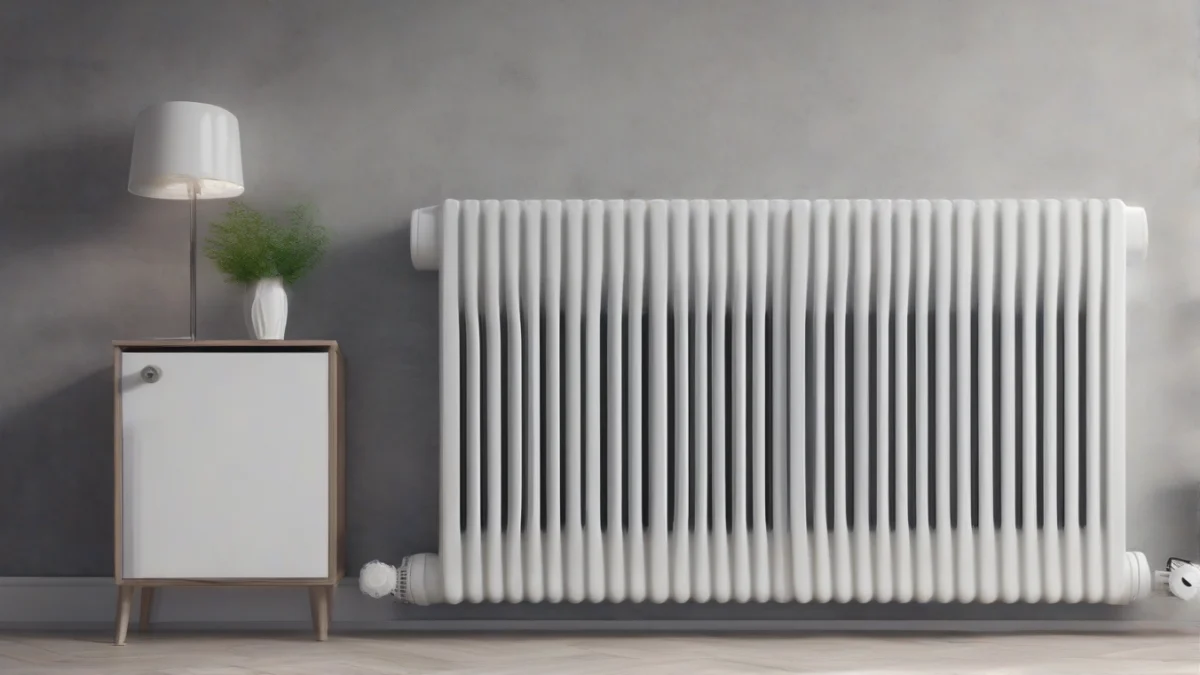
No, an oil-filled electric heater is not cheaper per unit of heat than other electric resistance heaters. An oil-filled electric heater is a heater that warms oil inside sealed fins, then the shell gives that heat to the room after the element cycles off. At 1,500 W, it costs the same to run as any other 1,500 W plug-in heater; the difference is how steady the heat feels.
The common mistake is buying an oil-filled heater because the word oil sounds cheaper or fuel-like. It still runs on electricity, so 1,500 W for 8 hours is 12 kWh; at 17 cents a kWh, that is about $2.04 for a long cold night.
That steady heat is the real reason people pick it. The metal fins stay warm after the element clicks off, so the room does not swing as sharply, which suits bedrooms, offices and other closed rooms better than a blast-and-fade heater.
What to remember
An oil-filled heater does not use oil as fuel; it uses electricity like any other plug-in resistance heater.
At 1,500 W, the running cost is the same as any 1,500 W space heater: watts divided by 1,000, times hours, times your electric rate.
The heater feels steadier because the oil and metal hold heat after the element shuts off.
Keep 3 feet of clearance, plug it straight into a wall outlet, and do not run it unattended unless the manual allows that use.
If you smell fuel or combustion exhaust, you are dealing with a different heater type and a different problem.
Running Costs of Oil Electric Heaters
An oil-filled electric heater costs the same to run per watt as any other electric resistance heater plugged into a standard outlet. It uses electricity to heat oil inside sealed fins, which then radiate heat steadily even after the heating element cycles off. For a detailed analysis, see our article on the cheapest heater to run.
This oil-filled heater operates like any electric resistance heater.
The key is that the electric element draws about 1,500 watts when running, just like a ceramic or infrared plug-in heater. The oil inside the heater absorbs heat and distributes it to the metal fins, which stay warm and keep giving off heat after the element shuts off. This cycle repeats to maintain room temperature.
Worked example
Running a 1,500 W oil-filled heater for 8 hours at 17 cents per kWh costs about $2.04. That’s 1.5 kW × 8 hours = 12 kWh; 12 kWh × $0.17 = $2.04.
Power1,500 W
Hours8
kWh12
Rate0.17 per kWh
People sometimes think they can save money because the oil heater’s element cycles off and on less often once the room warms up. But the 1,500 watts it draws when on is the same, and the total energy consumed over time remains about equal to other heaters with similar wattage.
Heater Type
Cost per kWh
Heat Feel
Best Room Fit
Oil-Filled Radiator
Same as others (17¢ per kWh)
Steady, lingering warmth
Bedrooms, offices, sitting rooms
Ceramic Space Heater
Same
Blast heat, quick warm-up
Bathrooms, small rooms
Infrared Heater
Same
Direct radiant heat, immediate
Open areas, drafty spaces
Cost and comfort comparison of 1,500 W electric heaters
Where The Heat Actually Goes
An oil-filled heater warms the room mostly by convection from its fins, which heat the air around them gently and evenly. The surface temperature changes more slowly than in ceramic or infrared heaters, so you get a steady, lingering warmth.
After the thermostat stops the element, the heated oil and metal fins keep releasing heat for a while. This reduces the on-off temperature swings that blast heaters can cause, creating a more comfortable environment in smaller, insulated spaces.
Rooms that benefit most include bedrooms, home offices, and sitting rooms where steady heat matters more than a quick warm-up. Small insulated rooms hold heat well, making the oil heater’s lingering warmth feel better.
Anyone needing fast heating in a large, drafty garage or open plan space should skip an oil-filled heater. Its slower heat output won’t keep up with rapid heat loss in those environments.
Room and thermostat matter more
The actual warmth you feel depends more on your room’s insulation and how you set the thermostat than any marketing claim about the heater’s technology.
Myth
Oil electric heaters run overtime and waste energy
Fact
They cycle on and off like other resistance heaters; the oil just smooths out the heat delivery, not the total electricity used.
When A Product Helps
Only worth buying if you want steady bedroom or office heat, not lower electric rates.
Steady heat for bedrooms
Hykolity Oil Filled Radiator Heater 1500W
This oil-filled radiator spreads heat evenly and quietly with its 7 M-shaped fins and smart climate control, making it ideal if you want steady warmth rather than lower electricity costs. It cycles the element off while the oil inside keeps radiating heat, smoothing out temperature swings.
Most oil-filled electric heaters use between 600 and 1,500 watts, matching the common power range for plug-in space heaters designed for a standard 15-amp, 120-volt household circuit. The 1,500-watt limit is typical because it draws about 12.5 amps, staying within safe electrical limits for most wall outlets.
Power settings matter for cost and sizing. You can run an oil-filled heater at 600 W, 900 W, or 1,500 W, depending on the room size and insulation. Lower wattage suits smaller, well-insulated rooms, while larger or poorly insulated spaces need more heat—not more efficiency.
Power Setting
Watts Used
Cost for 8 Hours at 17¢/kWh
Low
600 W
Calculated cost based on typical energy rates
Medium
900 W
Calculated cost based on typical energy rates
High
1,500 W
Calculated cost based on typical energy rates
Energy costs based on running hours and electricity rate.
Running a heater longer at a lower setting doesn’t make heat cheaper. The cost depends strictly on watts used and time—600 watts for 8 hours uses less electricity than 1,500 watts for 8 hours. An oil-filled heater’s oil reservoir just evens out the heat; it doesn’t reduce energy consumption.
Sizing your heater by room volume and insulation helps avoid overspending. For example, a small, insulated bedroom of 150 square feet might be comfortable with 600 watts, but a drafty living room with high ceilings needs closer to 1,500 watts to maintain warmth.
12.5 A
What a 1,500 W heater draws
This is why most plug-in heaters top out at 1,500 watts on a standard 15-amp circuit.
Worked example
A 12 by 14-foot insulated bedroom (about 168 square feet) can often be heated adequately with a 900-watt setting, costing around $1.22 for 8 hours of use at 17 cents per kWh, which is typical for many U.S. regions.
Room12 × 14 ft
Result900 W
Safety And Room Fit
Leaving an electric oil-filled heater unattended is potentially dangerous unless the model specifically allows it. Check the manufacturer’s instructions before running one while asleep or out of the room.
Electric oil-filled heaters need a dedicated wall outlet. Never use an extension cord or power strip, which can overheat or cause electrical faults. Keep at least 3 feet of clearance from furniture, curtains, and anything combustible.
Gas smell is not normal
If you smell gas near an electric oil-filled heater, it’s not coming from the heater itself. It suggests another gas appliance or a leak nearby and requires immediate attention.
Look for tip-over and overheat protection features, plus UL, ETL, or CSA safety listings. These ensure the heater has basic built-in safeguards against common hazards.
Safety Essentials
Wall outlet only, no extension cords
3 feet clearance around the heater
UL, ETL, or CSA certification
Tip-over and overheat protection
Manufacturer approval for unattended use
Oil-filled heaters work best in bedrooms and offices where you want steady, quiet background heat in a closed room. They aren’t ideal for drafty or open areas where rapid heat-up is needed.
Recommended for steady room heating
Hykolity Oil Filled Radiator Heater for Large Room
The Hykolity oil-filled radiator’s built-in safety systems and 3 power settings make it a good match for bedrooms and offices needing quiet, reliable warmth.
Smells of diesel, smoke, or fault codes usually point to an oil-fired furnace or boiler, not an electric oil-filled space heater. These fuel-burning systems have parts like flow switches and oil filters that electric models don’t.
If your oil furnace smokes when it’s not running water, the problem is likely with the boiler’s combustion or venting, not the electric heater in the living room. Faulty flow switch probes can definitely stop an oil boiler from running; they detect water flow and prevent operation when there’s none.
A clogged oil filter on an oil boiler can cause a diesel smell while running because fuel doesn’t flow properly and combustion becomes incomplete. If your boiler keeps showing fault codes and you keep running out of oil, check the fuel supply, filter, ignition system, controls and venting before anything else.
Fuel Smell and Smoke
Shut down any fuel-burning heater immediately if you smell fuel or see smoke. Call a technician right away. Trying to restart it can be dangerous.
Electric oil-filled heaters don’t burn fuel, so they can’t produce diesel smells, smoke or fuel-related fault codes. If an electric heater fails, check the outlet, thermostat, thermal cutoff switch, and tip-over switch instead.
Keep the Difference Clear
Don’t confuse an oil-filled radiator heater in your room with an oil-fired boiler in the basement. They operate very differently and have very different failure modes.
What To Buy Instead
For bedrooms, home offices, or any space where quiet, steady heat matters, the Hykolity Oil Filled Radiator Heater (product 1) is a solid choice. It delivers 1,500 watts with three power settings and has tip-over and overheat protection.
Consider this model for quiet, steady heat in your workspace.
This heater suits those who want less temperature swing and a programmable timer to preheat rooms efficiently. It’s not the best pick if your priority is the lowest electric bill or the fastest blast of heat, since it’s still a 1,500-watt resistance heater and costs depend on how long you run it and your electric rate.
Good for
Quiet, even heat without rapid temperature swings
Built-in safety features including tip-over and overheat protection
Programmable 24-hour timer for convenience
Not for
Still uses 1,500 W, so electric cost depends on run time and rate
Not designed for rapid spot heating or very low power consumption
Best for steady, quiet heat
Hykolity Oil Filled Radiator Heater for Large Room
Use product 1 for rooms where steady warmth and safety features matter more than a quick heat-up or minimal electricity use.
If you’re comparing heater types, check the linked guides on wattage and control options next. Knowing how power translates to heat and what controls fit your needs helps avoid surprises in your electric bills.
Check These Before You Buy
Never leave an electric oil-filled heater running unattended unless the manufacturer explicitly says it’s safe. That includes sleeping or leaving the house. If you smell gas or fuel near the heater, turn it off immediately and ventilate the room; oil-filled electric heaters do not use fuel, so any gas smell signals a different problem or device.
Before First Use
Plug the heater directly into a wall outlet; avoid extension cords or power strips.
Keep at least 3 feet of clearance around the heater; no curtains, papers, or furniture touching it.
Confirm the heater has UL, ETL, or CSA listing marks for safety.
Inspect the power cord for damage or cracks before plugging in.
If the Heater Misbehaves
Watch for any fuel or kerosene odor, which means a non-electric heater issue.
Note if the breaker trips repeatedly when the heater runs — that can mean a wiring or overload problem.
Check for smoke or burning smells coming from the heater or its wiring.
Observe if the thermostat fails to respond or the heater cycles erratically.
Look for any fault codes displayed (if your model has a readout) and consult the manual.
When To Stop And Call A Technician
Unplug and stop using the heater immediately if you smell burning from the wiring or the heater repeatedly trips the breaker. Smoke or any fuel smell from a non-electric heater also requires professional attention right away.
Run-It-Once Quick Check
Place the heater on a level, hard surface away from combustibles.
Plug into a dedicated outlet, turn it on, and listen for unusual noises.
Feel the surface after 10 minutes; it should warm evenly without hot spots.
Confirm the thermostat adjusts the heat as expected.
Watch for any odors or smells; none should appear with an electric oil-filled heater.
Questions People Ask
How much does an oil-filled electric heater cost to run for 8 hours?
Running a typical 1,500 W oil-filled electric heater for 8 hours uses 12 kWh of electricity. At an average US residential rate of 17 cents per kWh, that adds up to about $2.04. This cost is equal to any other 1,500 W electric resistance heater running the same time.
Are oil-filled electric heaters cheaper than ceramic space heaters?
No, oil-filled electric heaters are not cheaper to run than ceramic heaters. Both use electric resistance to generate heat, so their operating cost depends mainly on wattage and usage time. The oil-filled models provide more even heat but cost the same per watt-hour of electricity.
Can I leave an oil-filled heater running overnight?
You should only leave an oil-filled heater running unattended if the manufacturer explicitly states it is safe to do so. Many models have tip-over and overheat protection, but leaving any electric space heater on overnight or while away increases fire risk. Use a timer or thermostat for safer operation.
Why does my oil-filled heater keep clicking off and on?
The clicking sound usually comes from the thermostat cycling the heating element on and off to maintain the set temperature. The oil inside retains heat and radiates it even when the element is off, which helps keep the room warm without continuous running.
Why do I smell gas when a space heater is running?
A gas smell is not normal for electric oil-filled heaters and usually indicates a gas leak from a separate fuel-burning appliance like a propane or natural gas heater. If you smell gas, turn off all appliances, ventilate the area, and call a professional immediately.
What should I do if an oil furnace smokes when it is not running?
Smoke from an oil furnace when off suggests a serious malfunction like a blocked flue or improper combustion. Shut down the system and contact a licensed heating technician to inspect and repair it. Do not use the furnace until the issue is resolved to avoid carbon monoxide hazards.