

Direct-vent gas heating stoves combine sealed combustion with external venting to deliver safe, efficient warmth without needing a chimney. They draw combustion air from outside and vent exhaust outdoors, improving indoor air quality and safety compared to vent-free models.
Choosing the right stove means matching heat output, fuel type, venting options, and controls to your space and lifestyle. This guide compares top models, explains key specs, and covers installation and maintenance to help you decide quickly and confidently.
Direct-Vent Gas Heating Stoves Comparison
| Model | Best for | Heat Output (BTU) | Fuel Type | Room Size Coverage | Venting Options | Price |
|---|---|---|---|---|---|---|
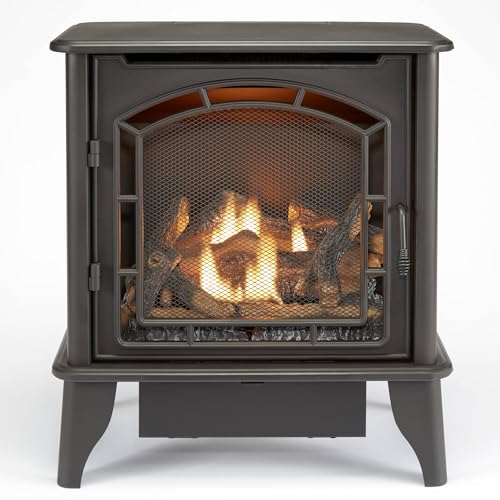
| Ashley Hearth Pedestal Direct Vent Gas Stove | Best for Most Homes | — | Natural gas or propane | Up to 1,000 sq ft | Direct vent | View on Amazon |
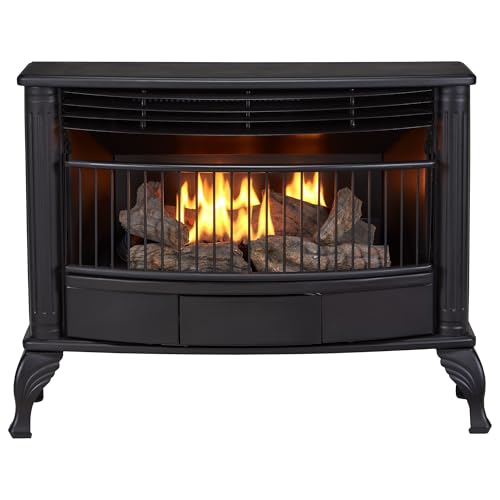
| Bluegrass Living Panorama Vent Free Dual Fuel Stove | Best Vent-Free Stove | 23,000 | Natural gas or propane | Up to 1,100 sq ft | Vent-free | View on Amazon |
| Duluth Forge Ventless Natural Gas Stove | Strong Heat Output | 25,000 | Natural gas | Up to 1,100 sq ft | Vent-free | View on Amazon |
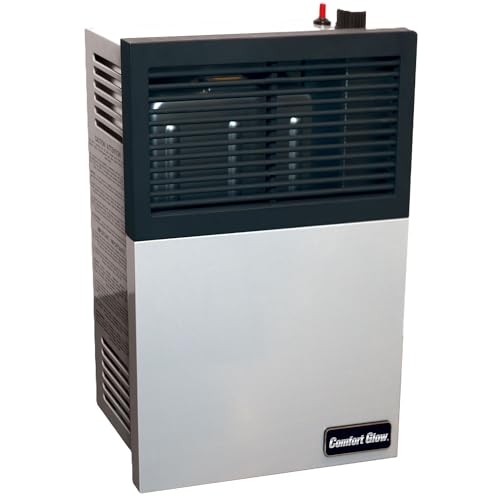
| Comfort Glow Direct Vent Natural Gas Wall Heater | Best Wall-Mount Stove | 17,000 | Natural gas | Up to 500 sq ft | Direct vent | View on Amazon |
| Ashley Hearth Direct Vent Wall Heater Dual Fuel | Best Dual Fuel Wall Heater | Up to 25,000 | Natural gas or propane | Up to 825 sq ft | Direct vent | View on Amazon |
Top Direct-Vent Gas Heating Stoves for Home Comfort
Ashley Hearth Pedestal Direct Vent Gas Stove
Bluegrass Living Panorama Vent Free Dual Fuel Stove
Duluth Forge Ventless Natural Gas Stove
Comfort Glow Direct Vent Natural Gas Wall Heater
Ashley Hearth Direct Vent Wall Heater Dual Fuel
How to Choose the Best Direct-Vent Gas Stove for Your Home
Direct-vent gas stoves offer sealed combustion, drawing air from outside for burning and venting exhaust outdoors, which keeps indoor air cleaner and safer. This makes them ideal for tightly sealed homes where indoor air quality matters most.
The stove’s BTU output must match your heating needs. Most direct-vent stoves range from about 15,000 to 38,000 BTUs, suitable for spaces between 600 and 1,700 square feet. Oversized models waste fuel and risk overheating; undersized ones won’t keep you warm enough.
Natural gas and propane are the common fuel choices. Natural gas usually costs less and burns cleaner, but propane offers flexibility where natural gas lines aren’t available. Some models run on either, giving you more options.
Cast iron construction is common because it holds heat well and lasts decades, but it can crack if overheated. Steel models heat up faster but cool faster too. Choose cast iron if you want steady, long-lasting warmth.
Look for control features like thermostats and remote controls. These add convenience by maintaining a steady temperature and letting you adjust heat from across the room.
Venting options include horizontal or vertical pipes through walls or roofs. Horizontal vents work well for one-story homes or basements, while vertical vents suit multi-story buildings. Confirm your home’s layout to decide which fits best.
If you want to heat your home with a direct vent propane stove, focus on models with sealed combustion chambers rated for your square footage. The Ashley Pedestal Direct Vent Gas Stove is highly rated for homes up to 1,000 square feet, combining efficiency and safe sealed combustion.
Sizing a Direct-Vent Gas Stove by BTU Output
A good rule of thumb is 20 to 30 BTUs per square foot for direct-vent gas stoves. So, a 1,000-square-foot room needs roughly 20,000 to 30,000 BTUs to stay comfortably warm.
For example, a 12-by-14-foot room is 168 square feet. At 25 BTUs per square foot, that’s 4,200 BTUs needed. A small stove rated around 5,000 to 7,000 BTUs would handle that nicely.
Ceiling height and insulation quality affect sizing. Rooms with vaulted ceilings or poor insulation need more BTUs. If your ceiling is 10 feet instead of 8, increase the BTU estimate by about 10%. Well-insulated spaces can stay near the lower end of the range.
Oversizing wastes fuel and wears out the stove faster. A stove that’s too big cycles on and off too often, reducing efficiency and risking cracks in cast iron parts from rapid temperature changes.
Open floor plans spread heat out, so increase BTUs by 10% to 20% compared to a closed room of the same square footage. Closed rooms hold heat better and require less output.
Typical direct-vent stoves come in sizes from 15,000 BTUs for a small room to 38,000 BTUs for large living areas. Start with your square footage, adjust for ceiling height and insulation, then pick the closest stove size.
To size your direct-vent gas stove accurately, measure your heated space, note ceiling height, assess insulation, and apply the BTU per square foot rule. This approach helps you avoid overspending on fuel and ensures steady warmth all winter.
Fuel Types and Efficiency: Natural Gas vs Propane Direct-Vent Stoves
Natural gas and propane direct-vent stoves each have pros and cons in efficiency and cost. Natural gas stoves usually offer slightly higher efficiency ratings, often above 75%, and tend to have lower fuel costs where natural gas lines exist. Propane stoves provide flexibility in locations without gas lines but often run at slightly lower efficiency, around 65 to 77%, and fuel costs fluctuate more. For example, the Kozy Heat Oakport 18 achieves about 75% efficiency on natural gas and 77.5% on propane, while the Birchwood 20 model rates about 69.4% on natural gas and 65.2% on propane. Your choice depends on local fuel prices, availability, and stove model efficiency.
Natural gas tends to be cheaper where a utility connection exists, with prices often around $1 to $2 per therm (100,000 BTUs). Propane costs about $2 to $3 per gallon, holding roughly 91,500 BTUs per gallon, so it runs about 20-30% more expensive per BTU on average. However, propane stoves score slightly better in efficiency ratings, often hitting 75% to 78%, compared to natural gas models that range from 65% to 75%. For example, the Kozy Heat Oakport 18 operates at 77.5% efficiency on propane versus 75% on natural gas.
Conversion kits are essential if you plan to switch a direct vent stove from natural gas to propane, or vice versa. These kits adjust orifices and regulators to handle the distinct fuel pressure and combustion characteristics safely. Using the wrong fuel without conversion risks incomplete combustion, carbon monoxide hazards, and voided warranties.
Environmental impact differs between the fuels too. Propane burns cleaner than natural gas in terms of carbon dioxide and nitrogen oxides per BTU, but natural gas leaks during extraction and transport can offset some benefits. Both fuels produce far fewer particulates and pollutants than wood stoves, especially with sealed combustion chambers in direct vent stoves.
Safety considerations weigh in favor of direct vent designs regardless of fuel. Drawing combustion air from outside and venting all byproducts outdoors minimizes indoor pollution and carbon monoxide risk. Propane requires careful storage and leak detection because it is heavier than air and pools near floors, while natural gas is lighter and disperses quickly, which affects odorization and leak response.
Installation and Venting: What You Must Know Before Buying
Direct vent gas stoves use a sealed combustion system that pulls air from outside and expels exhaust through a dedicated vent pipe, eliminating the need for a chimney.
Direct vent stoves don’t need a chimney. Instead, they use sealed combustion chambers that draw air from outside through dedicated vents and exhaust combustion gases directly outdoors. You can install vent pipes horizontally through walls or vertically through the roof, depending on your home’s layout. Vent pipes must follow manufacturer instructions and local codes for length, diameter, and clearance. Proper sealing and insulation around the vent prevent drafts and heat loss. Vent pipe colors can fade over time if painted; powder coating or factory finishes last longer but check compatibility with your stove model.
Vent pipes are usually made of stainless steel or aluminized steel double-wall tubing, providing durability against heat and corrosion. The materials must meet manufacturer specifications to ensure safe operation and warranty compliance.
Painting or color matching vent pipes is limited. Standard black or metallic finishes are typical, but painted surfaces can fade or chip over time due to heat exposure. If color coordination is important, some manufacturers offer vent pipe kits with powder-coated finishes designed to hold up better under heat.
Installation costs vary widely, often running between $500 and $2,500 depending on vent length, complexity, and local labor rates. A licensed professional is required for gas connections and vent installation to meet safety codes and ensure proper sealing. Improper venting can lead to backdrafting, carbon monoxide buildup, or reduced stove efficiency.
You can customize vent pipe runs within limits. Manufacturers provide specific guidelines on maximum length and number of elbows to maintain draft and combustion efficiency. While color matching options exist, they are mostly functional rather than decorative, emphasizing durability and safety over aesthetics.
If your home lacks a chimney, the vent pipe allows a direct vent stove to function safely by creating a closed system that isolates combustion air and exhaust from indoor air. This makes direct vent stoves a practical option for modern homes without traditional masonry flues.
For a detailed look at vent pipe types and installation tips, see double wall vent pipe for water heaters.
Maintenance, Durability, and Safety of Cast Iron Direct Vent Stoves
Cast iron stoves hold and radiate heat well, providing steady warmth even after the flame dims. However, cast iron can crack if the stove overheats, so avoid running it at maximum output continuously. Regular maintenance includes cleaning the glass, inspecting seals, and checking vent connections. A well-maintained cast iron stove can last decades, especially models made with recycled iron and crafted in the USA, like Vermont Castings. Prevent moisture buildup inside the stove by operating it regularly during cold months and storing it properly off-season.
Overfiring a cast iron stove—running it hotter than the manufacturer recommends—risks cracking the metal, which damages the stove and voids warranties. Follow the specified BTU input and avoid rapid temperature changes that stress the iron.
A well-maintained cast iron direct vent stove typically lasts 15 to 25 years. Durability depends on use, fuel quality, and keeping the vent pipes clear. Rust and corrosion are less common in sealed combustion stoves but still worth watching for.
Modern direct vent stoves include safety features like oxygen depletion sensors that shut off gas if oxygen is low, and pressure regulators to maintain consistent fuel flow. These protect indoor air quality and prevent dangerous flare-ups.
Look for UL or CSA certification marks when buying. These independent approvals confirm the stove meets safety and performance standards. A solid warranty, usually 3 to 5 years on the stove body and parts, also signals manufacturer confidence.
Questions People Ask
Can I use a direct vent gas stove without an existing chimney?
What are the main differences between natural gas and propane stoves?
How often should I maintain and inspect my cast iron gas stove?
Can vent pipes be painted or customized to match my stove?
Are there direct vent gas stoves with remote controls or smart features?
How do direct vent gas stoves compare to wood stoves in safety and cost?

I am a mechanical engineer and love doing research on different home and outdoor heating options. When I am not working, I love spending time with my family and friends. I also enjoy blogging about my findings and helping others to find the best heating options for their needs.
Related guides
Battle of the Heating Titans: Natural Gas Furnace vs Heat Pump
You stand in the aisle at the hardware store, staring at two drastically different heaters. One burns gas…

Are Natural Gas Heaters Expensive To Run? Cost Breakdown
Natural gas heaters are generally cost-effective to run compared to electric heaters, offering lower fuel costs and higher…
How To Choose The Perfect Gas Fireplace For Your Home
To choose the right gas fireplace, consider factors like size, style, efficiency, venting options, and your home's heating…