

Yes, propane patio heaters can often be converted to natural gas with a conversion kit, but it’s essential to follow manufacturer guidelines for safety.
Many homeowners wonder if they can switch their propane patio heaters to natural gas. The short answer is yes, but it requires proper conversion kits and safety precautions. This guide covers everything you need to know about converting propane heaters to natural gas.

HQQ outdoor
HQQ outdoor Patio Heater Reflector Shield, Aluminum…
- 【For Your Patio Heater】The patio heater reflector shield top is a perfect replacement part for patio heater.HQQ outdoor heat refle…
- 【High Quality Aluminum Material】The patio heater reflector shield is constructed of high grade aluminum for rust resistance, durab…
- 【Easy to Installation】3 pre-drilled mounting holes: the holes are 6 7/8" apart to mount to the main burner screen and you can easi…
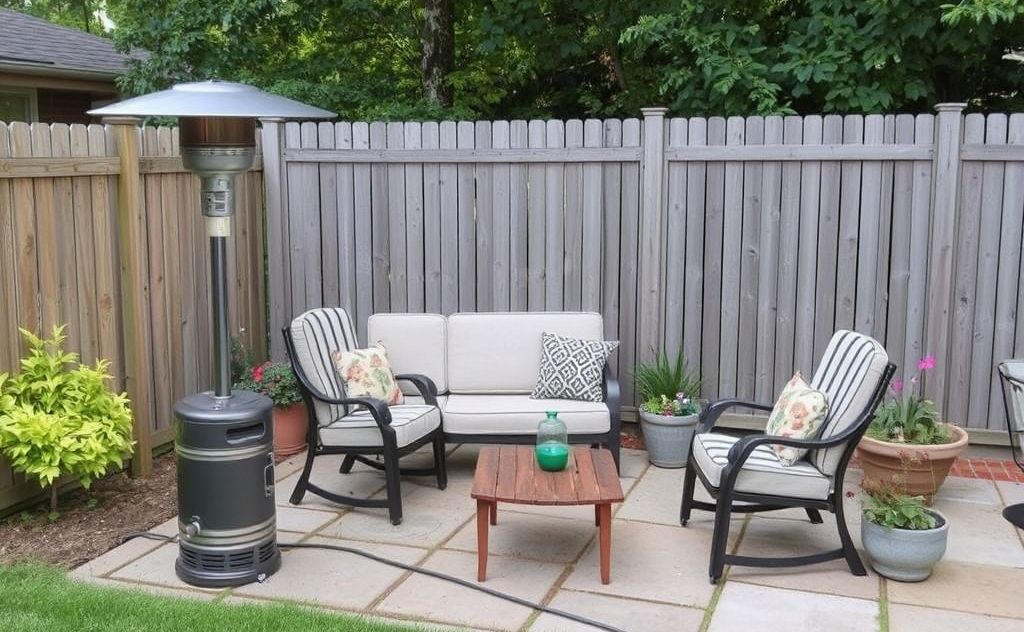
How Propane to Natural Gas Conversion Works
Converting a propane patio heater to natural gas involves two key changes:
- Replacing the gas orifice with a larger size
- Adjusting the gas pressure regulator
Natural gas operates at lower pressure than propane (about 1/4 psi vs 10 psi). The orifice hole must be approximately 2.5 times larger for natural gas to maintain proper BTU output. For example, if your propane orifice is 0.010″, you’d need to drill it to 0.025″ for natural gas.
Conversion Methods
1. Manufacturer Conversion Kits
Many premium heaters like Bromic patio heaters offer official conversion kits. These typically include:
| Kit Component | Purpose |
|---|---|
| New orifices | Properly sized for gas type |
| Regulator | Adjusts gas pressure |
| Instructions | Step-by-step guidance |
2. DIY Conversion
Some experienced users drill out existing orifices. This requires:
- Precise drill bits (#60-#80 sizes)
- High-speed drill
- Gas pressure gauge
Warning: DIY conversions may void warranties and create safety risks if done incorrectly.
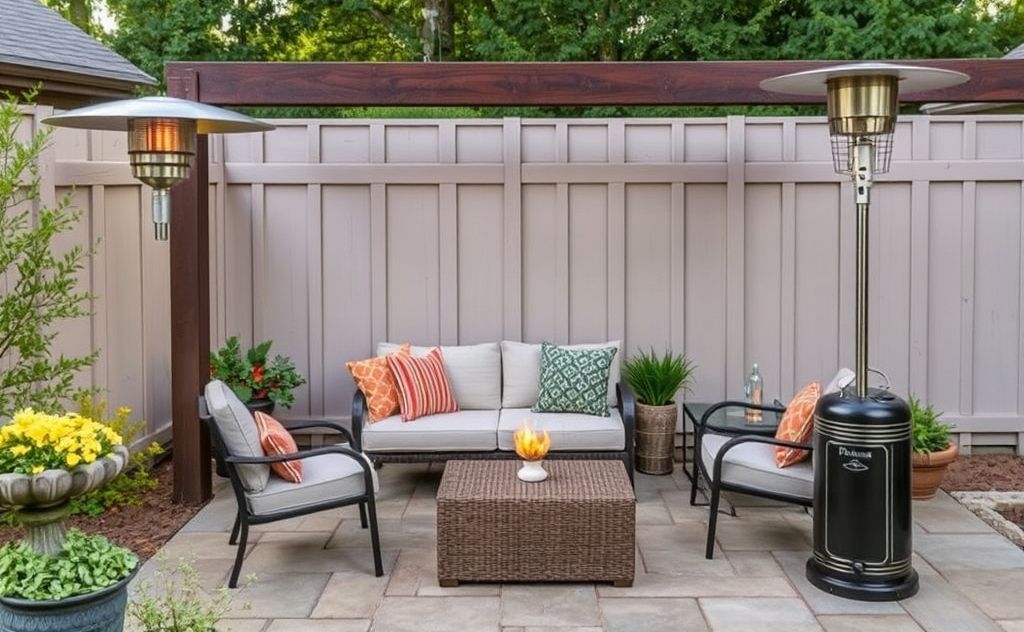
Key Considerations Before Converting
Safety Factors
Improper conversion can lead to:
- Incomplete combustion (carbon monoxide risk)
- Flame rollout or flashback
- Gas leaks
Always check local codes and consider professional installation. As noted in our built-in gas heater guide, proper ventilation is critical.
Performance Differences
Natural gas has about 10% less energy per cubic foot than propane. Your converted heater may produce slightly less heat, though proper orifice sizing minimizes this difference.
Permanent Installation
Natural gas heaters require fixed gas lines, making them less portable than propane units. Consider your patio layout before converting.
Step-by-Step Conversion Process
1. Verify Compatibility
Check if your heater model supports conversion. Some manufacturers explicitly prohibit it.
2. Gather Materials
- Conversion kit or proper drill bits
- Pipe thread sealant
- Manometer (for pressure testing)
- Leak detection solution
3. Replace Components
Follow the kit instructions precisely. Typically this involves:
- Shutting off gas supply
- Removing old orifices
- Installing new orifices
- Adjusting regulator pressure
4. Test Operation
Check for:
- Proper flame color (mostly blue with yellow tips)
- No gas odors
- Stable ignition
When to Choose Natural Gas
Natural gas makes sense when:
- You already have gas service to the patio
- You hate refilling propane tanks
- You want lower long-term fuel costs
For portable use, stick with propane or consider an electric patio heater.
Professional vs DIY Conversion
| Professional | DIY | |
|---|---|---|
| Cost | $150-$300 | $20-$50 |
| Safety | High | Variable |
| Warranty | Usually maintained | Often voided |
For most homeowners, professional conversion is worth the extra cost for peace of mind.
Alternative Options
If conversion seems too complex, consider:
- Selling your propane heater and buying a natural gas model
- Using a propane/natural gas dual-fuel heater
- Installing a permanent natural gas heater like those in our built-in heater guide
Remember that proper installation and maintenance are crucial for any gas appliance. Always follow manufacturer guidelines and local building codes when working with gas lines.
Related pick: Check today's price on Amazon

I am a mechanical engineer and love doing research on different home and outdoor heating options. When I am not working, I love spending time with my family and friends. I also enjoy blogging about my findings and helping others to find the best heating options for their needs.
Related guides

Propane vs Natural Gas Water Heaters: Key Differences
Propane and natural gas water heaters are not the same; they use different fuel sources, with propane being…
Best Direct-Vent Gas Wall Heaters for Small Spaces
Direct vent gas wall heaters are the top choice for 70% of homeowners seeking efficient, safe supplemental heat.…
Does Natural Gas Heat Water? The Complete Guide
Yes, natural gas can efficiently heat water using gas water heaters, providing a reliable and cost-effective solution for…